
Last updated November 21, 2026
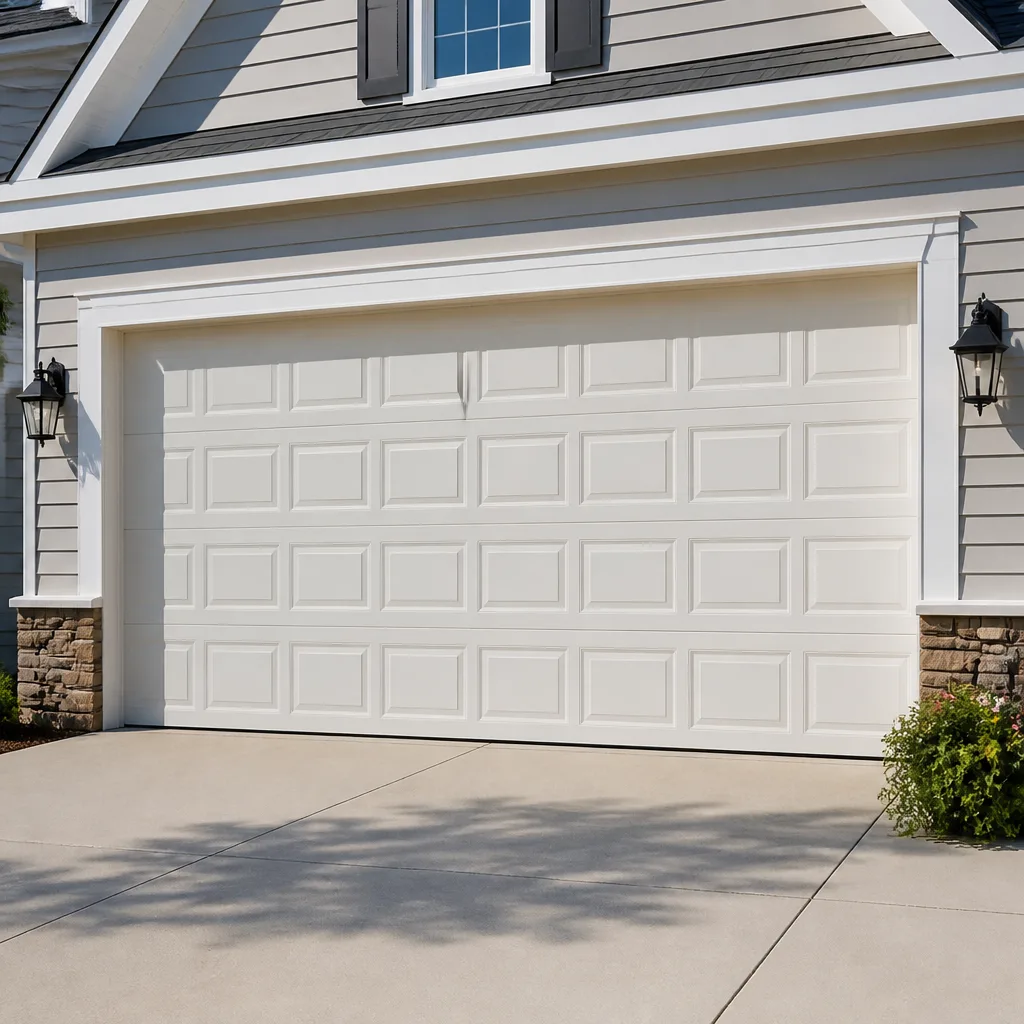 Raised-panel steel
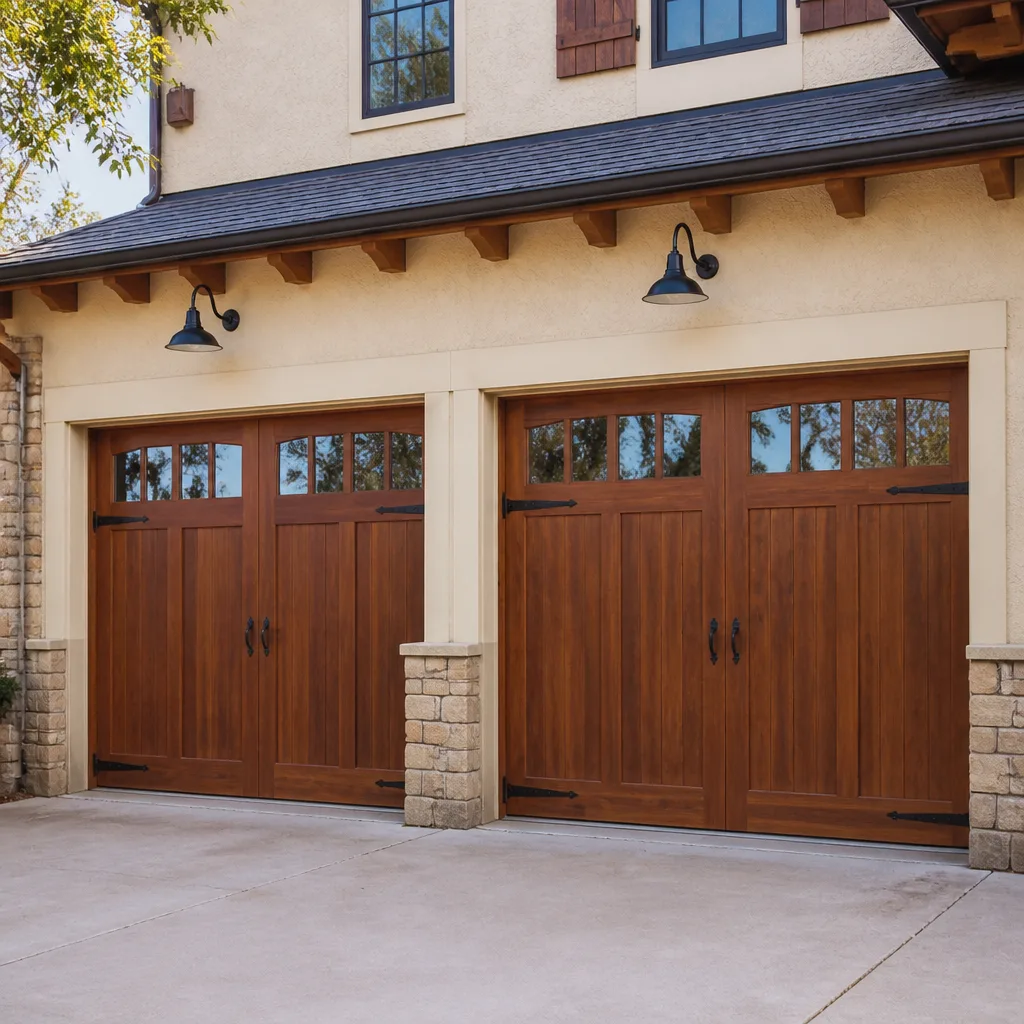 Carriage house
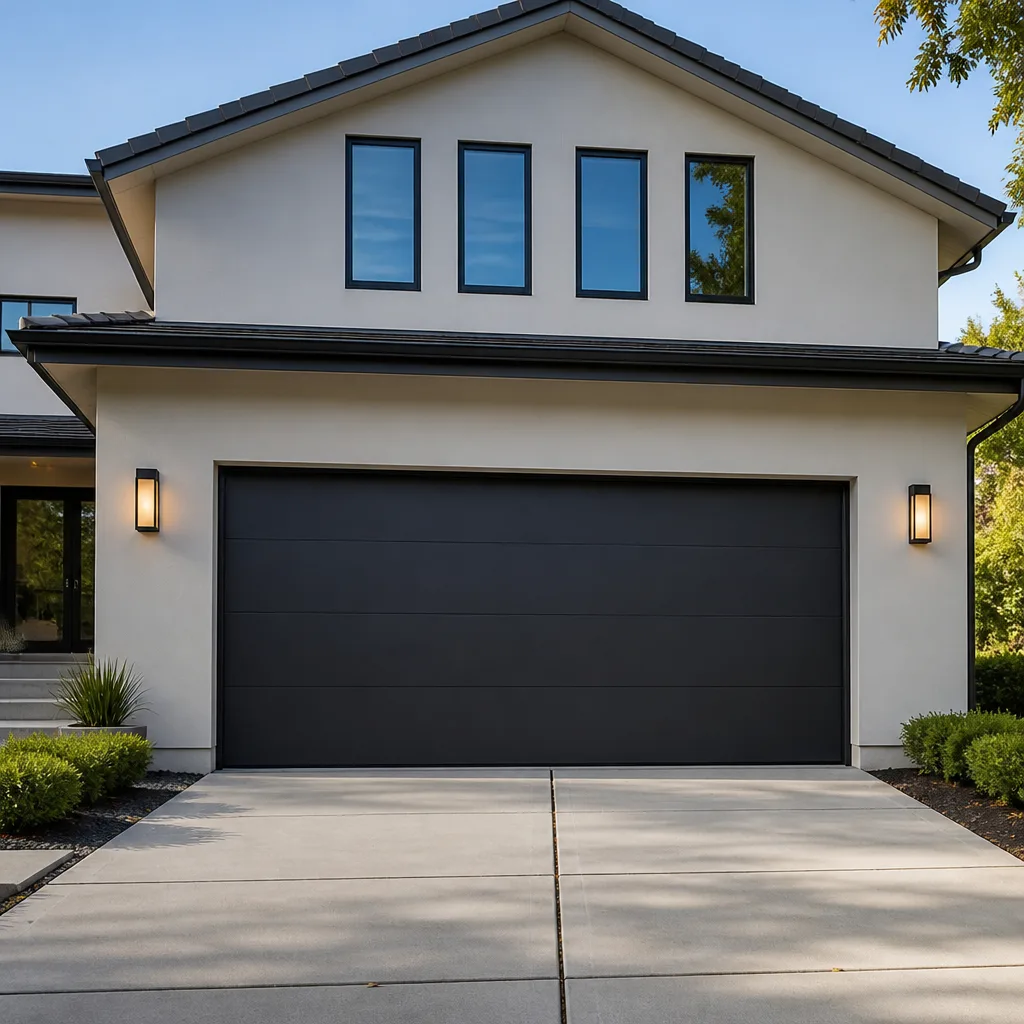 Modern flush
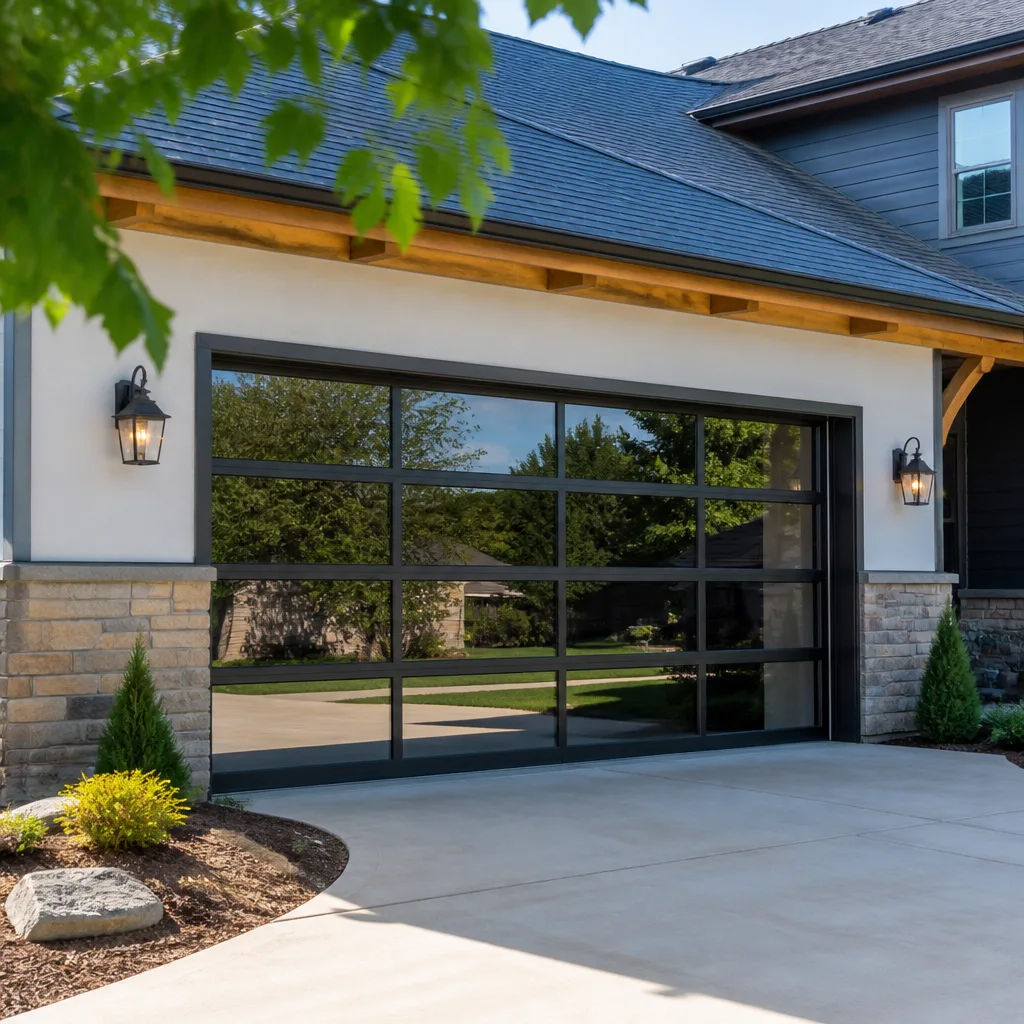 Full-view glass
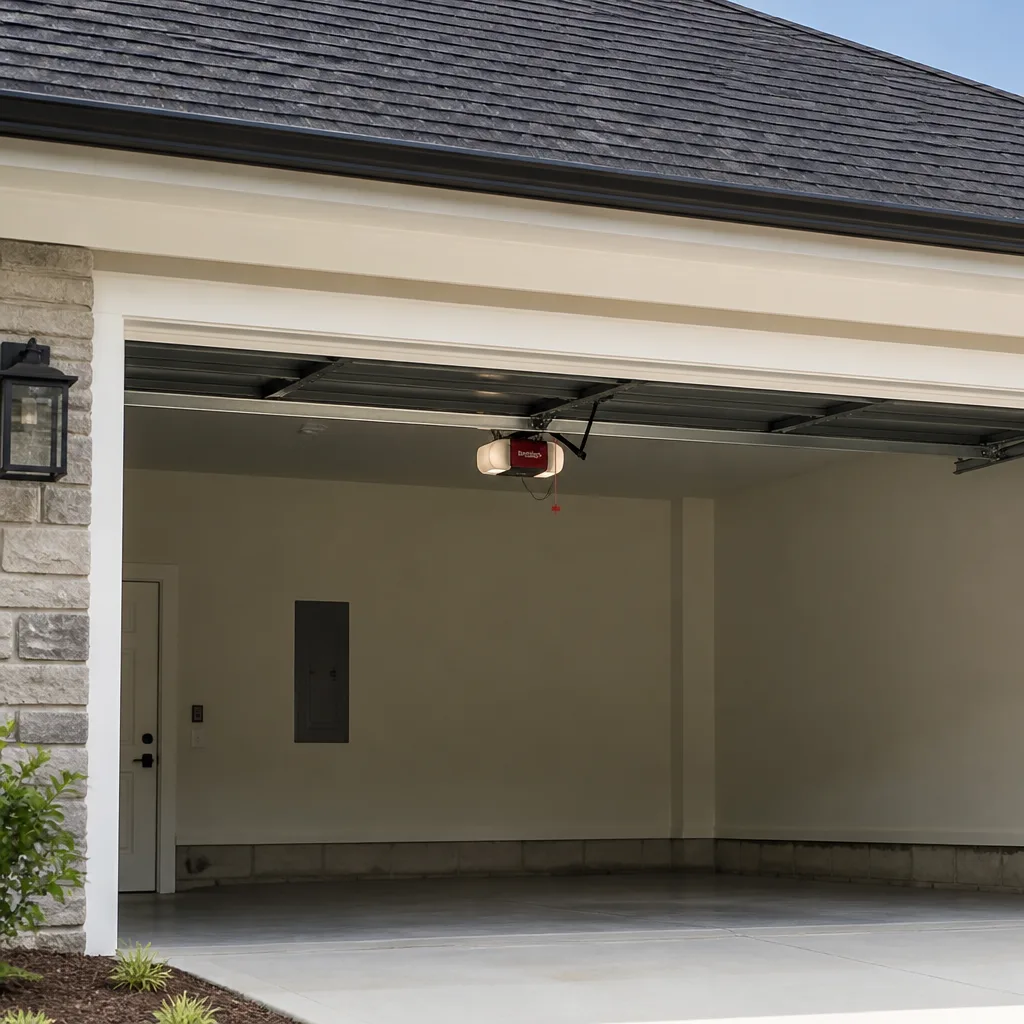 LiftMaster openers
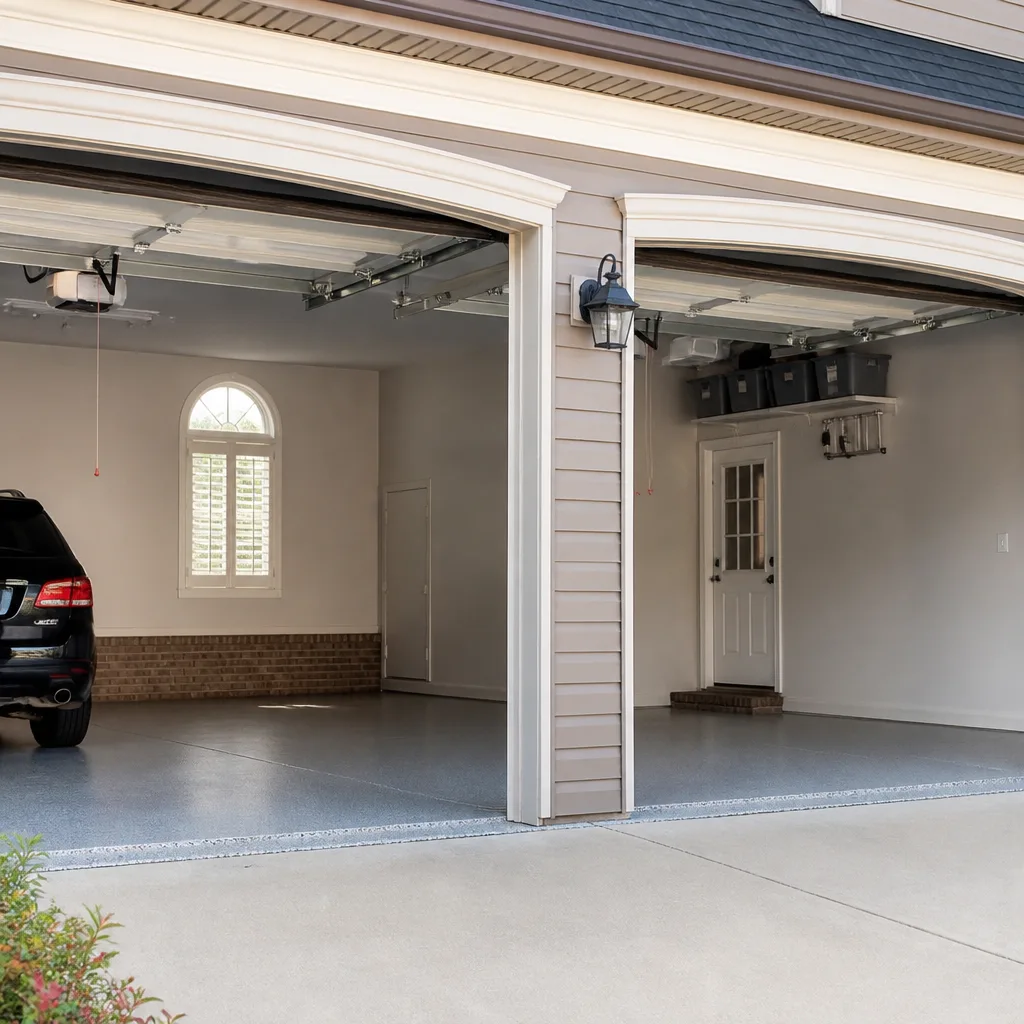 Chamberlain openers
Full 25-point door and opener safety check with every visit - springs, cables, rollers, tracks, and your LiftMaster or Chamberlain opener included
You get a price before we start. It does not change when the pro arrives.
Get your free estimateGarage Door Emergency Preparedness Guide for Buckhead Homes
When the power goes out in Buckhead, the most common reason a homeowner can’t get their car out isn’t a broken door. It’s that they’ve never pulled the manual release cord, or they’ve pulled it on an opener that needs a specific sequence first, and now the trolley is jammed. The other surprise: a dead opener and a snapped spring are two completely different emergencies with two completely different responses, and mixing them up makes things worse. This guide walks you through both scenarios, tells you how to secure a door that won’t close after a spring failure, how to prep for a storm, and how to vet whoever answers the phone when you call for help. What follows comes from years of field work on the door systems common in Buckhead homes.
Quick Answer
A garage door emergency in Buckhead falls into one of two categories: a mechanical failure (broken spring, snapped cable, dead opener, door off track) or a power or storm event that leaves a working door without its automatic opener. Your response should start by identifying which one you’re dealing with. For mechanical failures, stop using the door, secure it, and call a specialist. For power loss, use the manual release cord correctly for your opener type, and never force a door that won’t budge.
Styles & brands we work with
- Raised-panel steel
- Carriage house
- Modern flush
- Full-view glass
- LiftMaster openers
- Chamberlain openers
Table of Contents
- Two Kinds of Emergencies: Mechanical vs. Power Loss
- How to Use the Manual Release Cord (Trolley vs. Direct-Drive)
- The First 30 Minutes After a Broken Torsion Spring
- How to Secure a Door That Won’t Close Without Tools
- Storm Preparation and Wind Load Ratings for Buckhead Doors
- How to Vet an Emergency Call: Three Questions to Ask
- Preventive Checks That Reduce Emergency Calls
- When to Stop Diagnosing and Call a Specialist
Two Kinds of Emergencies: Mechanical vs. Power Loss
The first thing to sort out when your garage door stops working is whether the door itself failed or whether the system that operates it lost its supply. They look similar from the driver’s seat. They are not the same problem.
A mechanical failure means something in the door or the opener hardware physically broke: a torsion spring, a torsion cable, the torsion tube, a hinge, a roller, a track, a panel, or a gear inside the opener. The door may sag, hang crooked, make a loud bang, or refuse to move at all. If any of that happened, the door is now in an unsafe state. Stop pressing the button.
A power loss or opener failure means the door and its springs are intact, but the motor can’t raise it because there’s no electricity, the circuit tripped, the breaker is off, the safety sensor is misaligned, or the opener’s logic board has stopped responding. The door itself should still move by hand once the opener is disengaged from it.
Here’s how to tell the difference in about a minute:
- Listen first. A bang, snap, or grinding crack that came from above the door usually means a spring or cable. Silence followed by a door that half-raises and stops usually means the opener or power.
- Look at the door position. A door hanging crooked, with one side higher than the other, points to a cable or spring. A door sitting perfectly level with no movement points to the opener or power.
- Check the wall button and the safety sensors. If the wall button lights but nothing moves, the opener has power and something else is wrong. If the button is dark, check the breaker panel and the outlet the opener plugs into.
- Try a manual lift only if the door looks level and intact. A properly balanced door should lift with one hand. If it feels like it weighs more than a car hood, do not force it.
Buckhead homes run a wide range: older intown properties with heavy wood doors and original hardware, mid-century brick ranches with steel doors, and newer construction with insulated carriage-style doors driven by LiftMaster or Chamberlain openers. The failure mode often follows the door. Heavy solid-wood doors in older Buckhead homes stress springs and cables faster. Modern insulated steel doors put more load on the opener motor. Knowing what you have helps you predict what fails first.
How to Use the Manual Release Cord (Trolley vs. Direct-Drive)
The manual release cord disconnects the door from the opener so you can raise it by hand. It does not work the same way on every opener, and that’s where most homeowners get stuck.
The cord hangs from the trolley, the carriage that rides along the rail above the door. On a standard trolley-style opener, pulling the cord disengages the trolley from the drive chain or belt, and the door can be lifted freely. On a direct-drive opener, or on some newer models with an electronic lock or a proprietary release sequence, the mechanics are different. Some openers require you to power the unit down first or to disengage an electronic lock before the trolley will release. Some Genie and Chamberlain models have a lockout that holds the door closed, and pulling the cord without disengaging that lock does nothing.
Before you need this in an emergency, do this once during daylight, with the door closed and the opener off:
- Locate the release cord. It hangs from the trolley near the opener rail, usually with a red or bright handle.
- Read the opener’s manual or the label on the unit to confirm the release procedure for your model. If you have a LiftMaster or Chamberlain with a MyQ or electronic lock feature, check whether the lock must be released first.
- Pull the cord straight down (not sideways) and listen for the trolley to click free.
- Lift the door by hand to confirm it moves. If it doesn’t, don’t force it; re-engage the trolley and inspect for a mechanical issue.
- To reconnect, raise the door until the trolley clicks back onto the drive, or use the manual re-engage lever.
Do this test now, not during the next Buckhead storm. Once you know the sequence for your specific opener, a power outage costs you a minute instead of an hour.
The First 30 Minutes After a Broken Torsion Spring
A torsion spring failure announces itself with a loud bang from above the door, followed by the door sagging or refusing to lift. The first 30 minutes are the most important, because a broken spring turns the torsion cables into the next failure point.
Here’s what to do, in order:
- Stop pressing the opener button. The motor is trying to lift a door with no spring tension to assist it. That load transfers directly to the torsion cable, the drum, and the torsion tube. Keep pressing and you risk a cable snap or a door off track.
- Do not try to lift the door by hand. A door with a broken spring can weigh several hundred pounds and may drop suddenly.
- Disconnect the opener if the door is up. If the door is stuck in the open position, pull the manual release so the motor isn’t holding it. This removes strain from the opener gears.
- Secure the door so it can’t drop. Close it if you can do so safely, then lock it. If it’s stuck open, see the next section on securing a door that won’t close.
- Look before you touch. Examine the torsion tube and cables from a distance. A frayed or slack cable under a broken spring is under tension and can whip. Don’t reach above the door.
- Call a specialist. Torsion spring repair is safety-critical work that requires the right winding bars, the correct spring size, and training. It’s not a job to attempt with a socket set.
Buckhead homes with original wood doors and older steel doors often have original spring hardware. When one spring goes, the second spring on a matched pair has usually been through the same cycles, which is why we replace torsion springs as a matched pair about twice the cost of a single spring. That’s not an upsell; it’s how you avoid being back on the phone in a month.
How to Secure a Door That Won’t Close Without Tools
If your door is stuck open and the spring or cable has failed, the priority is keeping the opening closed and keeping anyone from trying to force the door down. You can usually do this with what’s already in the garage.
- Use a step ladder or a sturdy box under the door panel – place it under the bottom section on the low side to keep the door from dropping lower while you work. Never stand under the door.
- Wrap the torsion tube or the bottom bracket with a bungee cord or rope to keep a loose cable from flopping or flailing. Do not tighten it; just contain it.
- Lock the door in the closed position using the manual slide bolt or the opener’s manual lock if the door can be lowered safely. If the door can’t be lowered, the open bay is now vulnerable to wind.
- Bring in the car and anything valuable from the driveway if the door is open and won’t close. An open garage in Buckhead is an invitation for weather, water, and anything else that comes through.
- Barricade the opening from the inside with a car, a trash bin, or anything visible so nobody walks into a partially open door.
Once the opening is secured and no one is exposed to a dangerous door, call for a specialist. A door stuck open is a genuine emergency if a storm is coming or if the garage contains things you can’t leave exposed. That’s exactly the scenario our emergency service is built for.
Storm Preparation and Wind Load Ratings for Buckhead Doors
Buckhead sits inland and doesn’t see coastal wind events, but summer thunderstorms and the occasional severe system still put real pressure on garage doors. A door is the largest moving opening on most homes, and a door that fails in high wind lets pressure into the structure faster than almost any other opening.
Wind speed is the key number. As a general guide, doors rated for lower wind loads can flex and pull free of the track in the 60-70 mph range, which is at the upper end of what strong summer storms in North Georgia can produce. The building code in most jurisdictions now requires garage doors rated for the local design wind speed, and Buckhead homes are covered by Georgia’s residential code, which typically maps to a design wind speed of around 90 mph for this part of the state. Older doors installed before the current code may not carry that rating. Checking your door’s rating label or the door’s data plate is the simplest way to know.
A few practical storm preparations:
- Close the door fully before a storm. An open or partially open door is a wind scoop.
- Check that the door has a rated wind-load label. If the label is missing, ask your door manufacturer or installer whether the model meets current local code. A reinforcing strut or a rated door may be needed for older installations.
- Test the manual release before storm season. If the power goes out during a storm, you don’t want to be learning the release sequence in the dark.
- Inspect hinges, rollers, and bottom brackets for rust, cracks, or loose fasteners before the storm season. A door that’s already loose is more likely to come off track under load.
If you’re not sure whether your door meets current wind load requirements, ask your city’s building department what the local requirement is for your address. That’s the answer that matters for permits and insurance.
How to Vet an Emergency Call: Three Questions to Ask
When a door fails, you’ll search for an emergency service and call the first number you find. Some of those numbers reach a genuine specialist. Others reach a dispatch desk that sends whoever answers the phone, which is how a simple spring repair turns into a return visit. Three questions separate the two.
- “What brands do you work on, and how do you handle my opener?” A specialist knows the differences between LiftMaster, Chamberlain, Genie, Clopay, Amarr, Wayne Dalton, Craftsman, and Raynor equipment and can tell you how they’ll handle your specific model. A generalist will say “we work on everything” without being able to name the brand on your wall.
- “What’s the written estimate process, and is it free?” A qualified shop gives you a written estimate before any work begins and tells you the price up front. If they can’t describe how the estimate works or won’t put a number in writing, keep calling.
- “Do you do spring repair as a dedicated service?” Torsion spring work is safety-critical and needs specific training and tools. A company that offers spring repair as a named service is telling you they do this work regularly, not as a sideline.
One more thing: ask how they handle the call. We answer 24/7, and a call outside dispatch hours is booked into the next opening, Sunday through Friday, 7am to 7pm. A company that promises a technician at your door at 11pm on a Saturday is either misrepresenting its hours or sending a subcontractor who has no idea what’s on your wall. A straight answer about scheduling is a good sign.
Preventive Checks That Reduce Emergency Calls
Most garage door emergencies in Buckhead give a warning first. A short quarterly check catches most of them before they become a call.
- Listen. A door that’s getting louder, grinding, or squeaking is telling you a roller or hinge is worn or a spring is losing tension.
- Watch the door travel. A door that moves unevenly, hesitates, or reverses on its own has a balance or opener issue.
- Test the safety sensors. Wave an object through the sensor beam while the door closes. It should reverse immediately. If it doesn’t, fix that before anything else.
- Lubricate the moving parts with a proper garage door lubricant, not WD-40, on hinges, rollers, and the torsion tube. Do not lubricate the tracks.
- Look at the springs. A torsion spring with a visible gap or a stretched section is at the end of its life. Replace it before it fails.
For a deeper walkthrough of repair issues, see our guide to garage door repair. Opener quirks and sensor problems are covered on our garage door opener repair page, and if you’re considering a replacement rather than a repair, garage door installation explains what’s involved.
When to Stop Diagnosing and Call a Specialist
Some garage door problems are ordinary maintenance. Others are genuinely dangerous and need a trained specialist. Stop and call when any of these are true:
- A torsion spring has snapped, or you see a gap in the spring or a slack torsion cable.
- The door is hanging crooked, off track, or has a bent panel or hinge.
- The door won’t lift by hand and feels heavier than normal.
- A cable is frayed, hanging loose, or off its drum.
- You smell burning from the opener, the opener cycles but won’t move the door, or the door reverses on its own repeatedly.
- A child, pet, or car is trapped inside, or the door is stuck open and a storm is coming.
Torsion springs, cables, and torsion tubes are under high tension. This is the part of the door that injures homeowners who try to fix it themselves. A trained technician has the winding bars, the correct spring sizes, and the training to do the work safely. Buckhead Garage Door Repair Pros offers free estimates in Buckhead – call (866) 651-6880. We answer 24/7, with fast dispatch from 7am to 7pm, Sunday through Friday. Our technicians have up to 12 years of experience and work on the eight major brands, so we fix the door you have, not a generic substitute.
See the difference
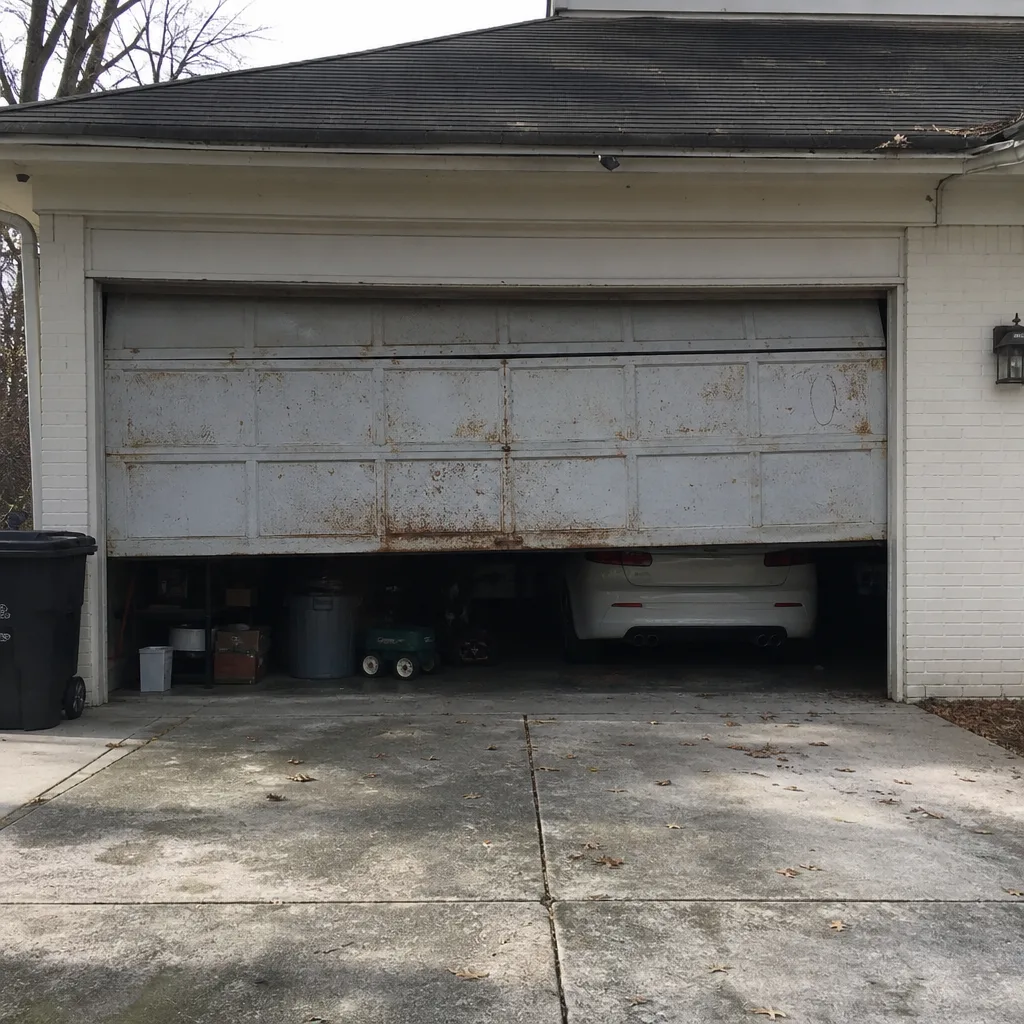 Before
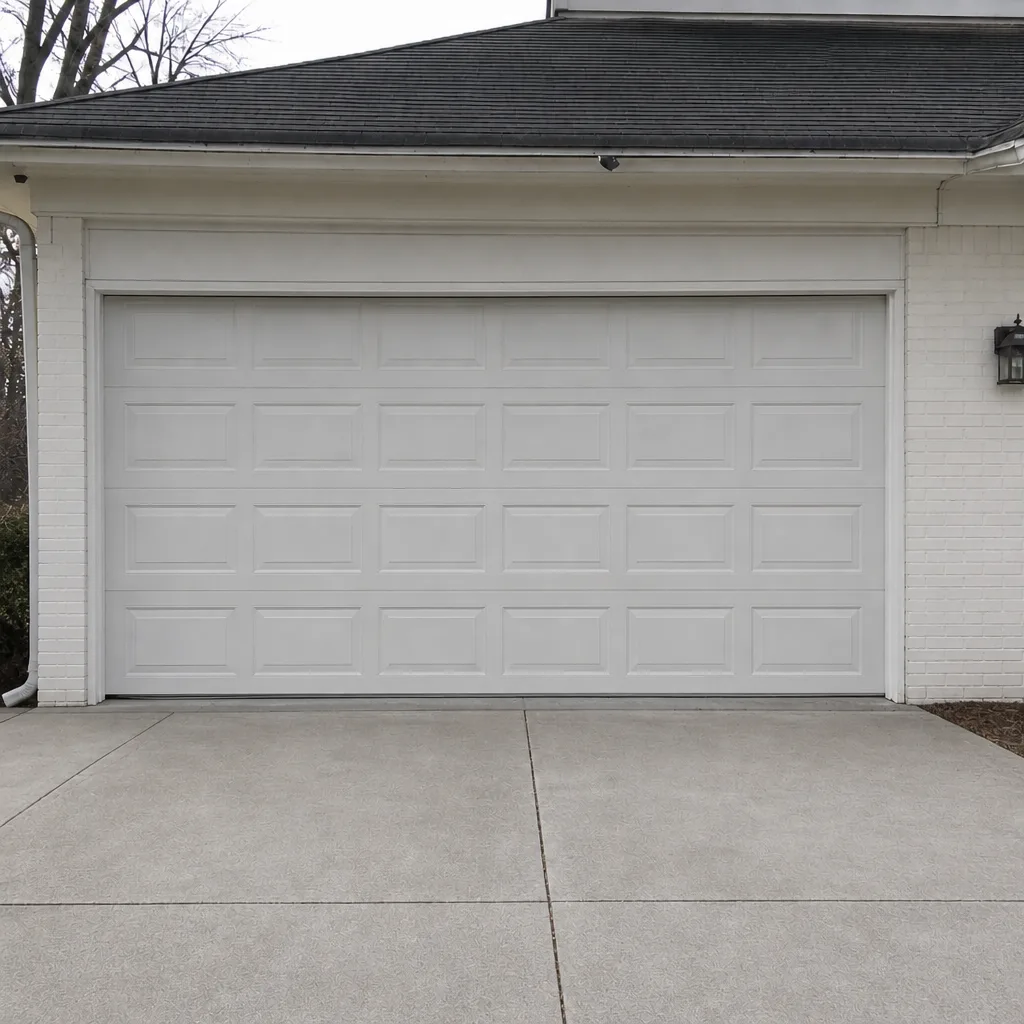 After
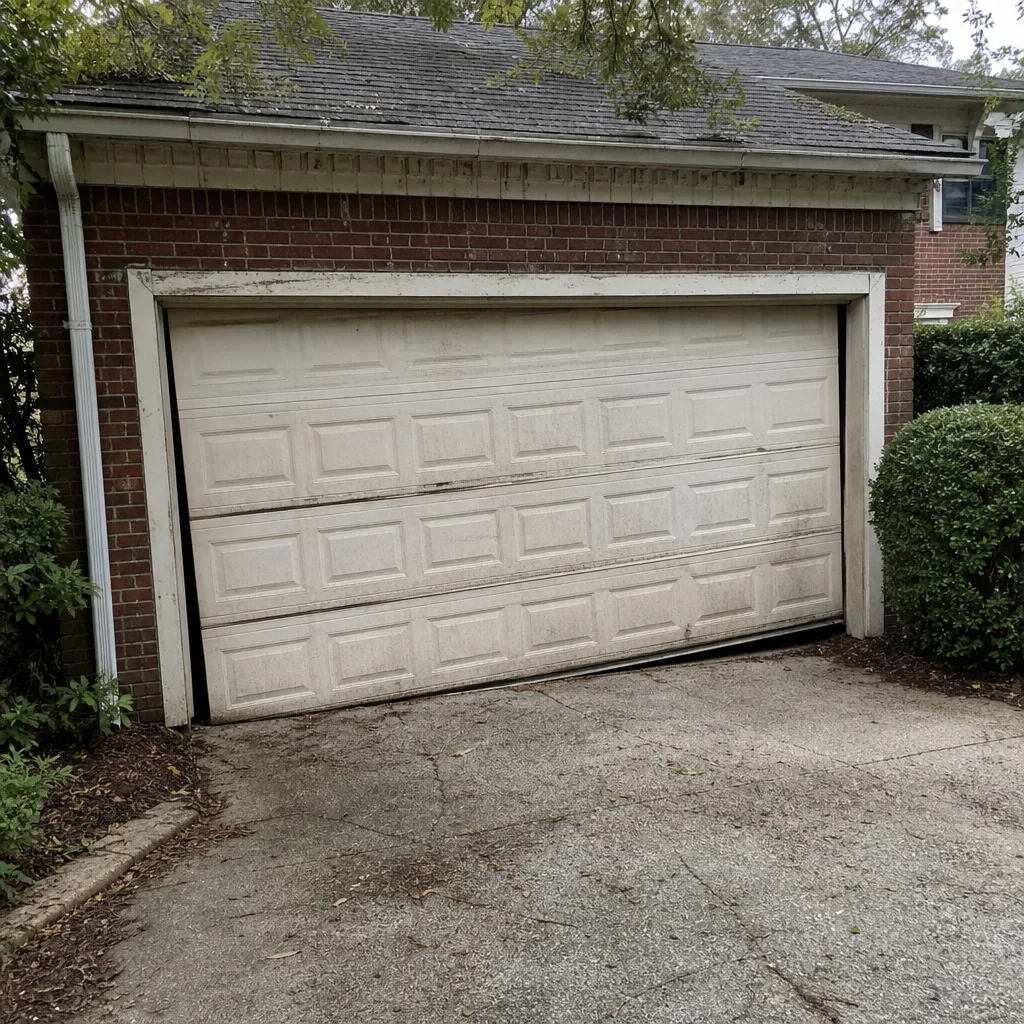 Before
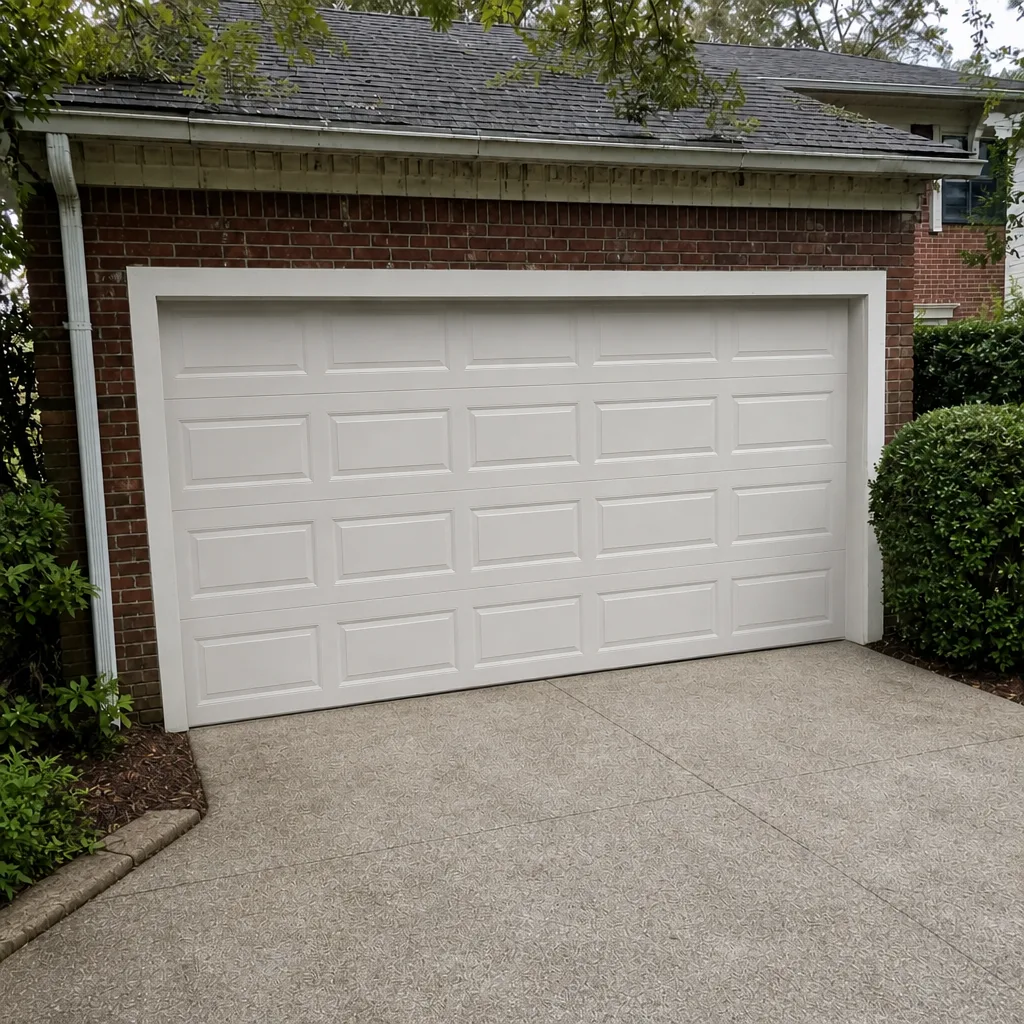 After
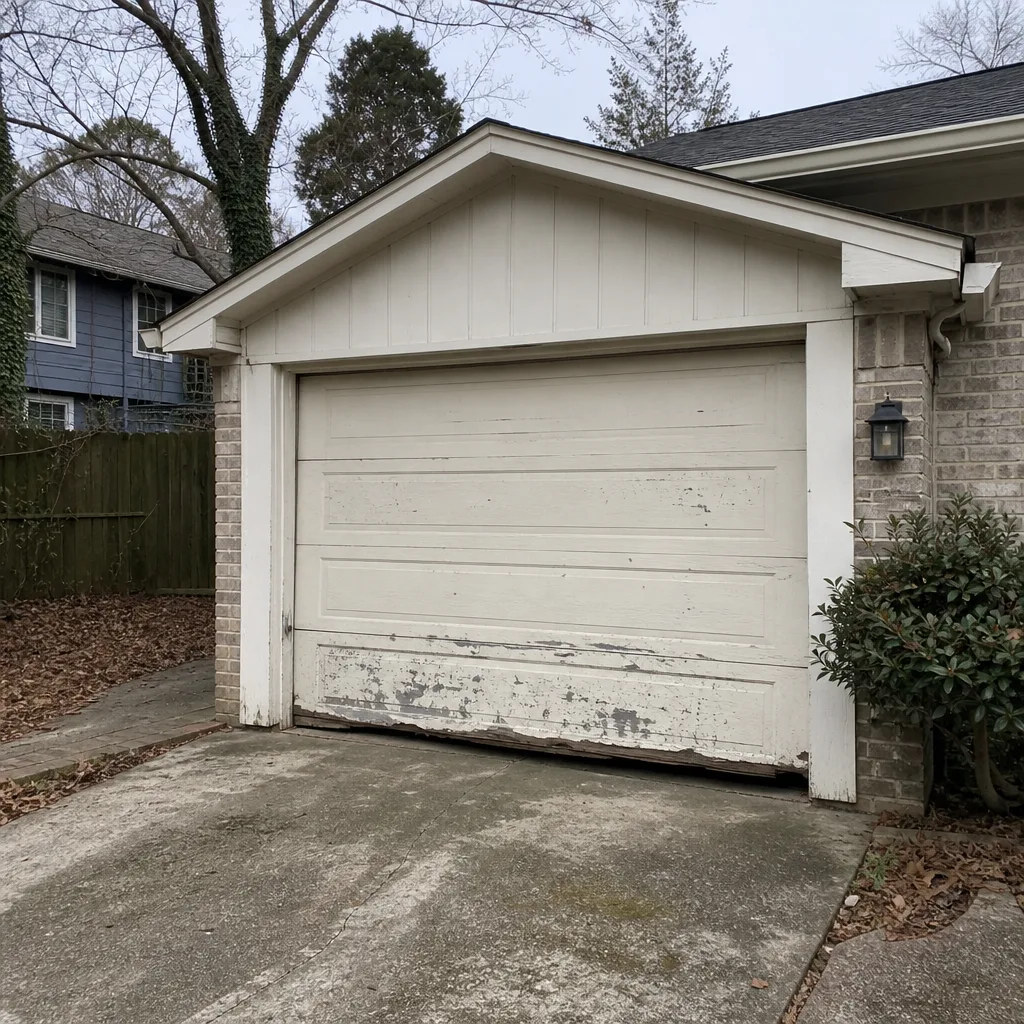 Before
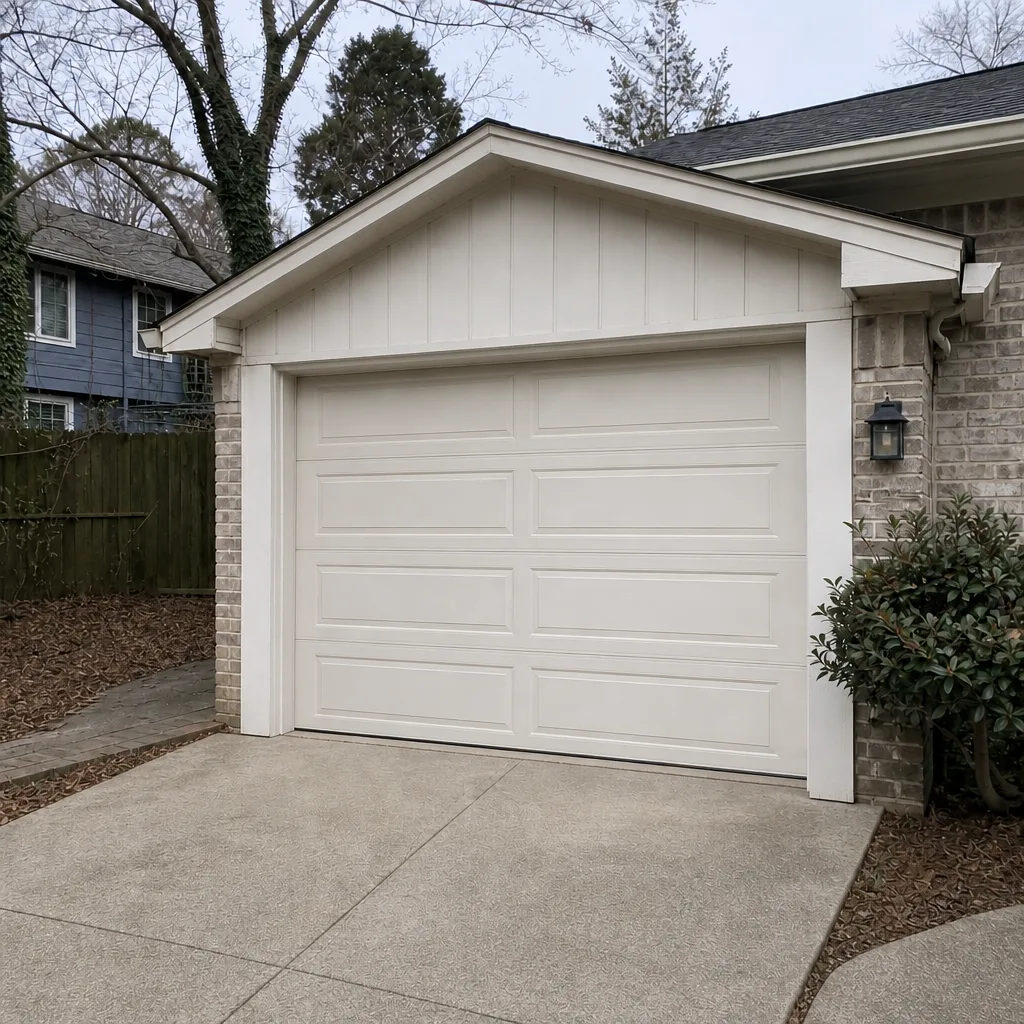 After
Common Mistakes to Avoid
- Pressing the opener button repeatedly after a bang. This is the most common way a broken spring turns into a snapped cable. Once the door stops moving, stop pressing.
- Forcing a door that won’t lift by hand. A balanced door should move easily. If it doesn’t, something has failed and the door needs a specialist, not more muscle.
- Pulling the manual release on a direct-drive or locked opener without checking the sequence. You can jam the trolley or bend the rail. Read the opener label first.
- Leaving an open garage door exposed during a storm. An open bay in Buckhead during a thunderstorm lets wind and water in and can pull the door off its track if it’s partially open.
- Replacing one spring and not the other. Matched pairs are called that because they wear together. Replacing one leaves you with an uneven load and a return visit.
- Calling a dispatcher who can’t tell you which brands they service. If they can’t name what’s on your wall, they’re not the specialist you need.
- Assuming a dead opener means a dead door. Many “dead” openers are a tripped breaker, a misaligned sensor, or a lockout feature. Check those before you replace the opener.
Frequently Asked Questions
Stop pressing the opener button and don’t try to lift the door by hand. A door with a broken spring is very heavy and can drop unexpectedly. Secure the door so it can’t fall, keep everyone clear of it, and call a specialist. The first 30 minutes matter because continued use can snap the torsion cable too.
We answer the phone 24/7. A call outside dispatch hours is booked into the next opening, Sunday through Friday, 7am to 7pm. We’re closed on Saturday. If your door is stuck open during a storm, secure the opening with what you have in the garage and call so we can schedule you for the next available slot.
The manual release cord disengages the opener trolley so you can lift the door by hand. On some LiftMaster, Chamberlain, and Genie openers, an electronic lock or lockout feature must be disengaged first. If the cord pulls but the door won’t move, the opener is likely still engaged or the door has a mechanical problem. Test the procedure once during the day before you need it.
Most Georgia homes fall under a design wind speed of around 90 mph for the current code, though older doors may not carry that rating. Check the door’s rating label or data plate. If it’s missing, ask your city’s building department what the local requirement is for your address, or ask your manufacturer whether the model meets current code.
Ask which brands they service, how their written estimate process works, whether the estimate is free, and whether they do spring repair as a dedicated service. A specialist will answer all four specifically. A dispatch service will give you a generic answer. Ask about their hours, too: a straight answer about scheduling is a good sign.
The local professionals we connect you with are licensed and insured as their state requires, and our technicians have up to 12 years of experience. The written estimate sets the final price before any work starts, so the number you agree to is the number you pay. Call (866) 651-6880 for an exact quote. Estimates are free.
The Bottom Line
Two emergencies, two plans. A mechanical failure like a broken spring or snapped cable needs you to stop using the door, secure it, and call a specialist. A power loss or storm event means learning the manual release sequence for your opener and knowing how to secure an open door without tools. The common thread is preparation: test the release cord, check the spring condition, and know which brands and which service model your door needs before the phone call. Buckhead Garage Door Repair Pros is a residential specialist for repair, opener service, spring work, installation, and emergency calls, so one call covers it. Call (866) 651-6880. We answer 24/7. Fast dispatch from 7am to 7pm, Sunday through Friday.
Written by the team at Buckhead Garage Door Repair Pros.