
Last updated November 21, 2026
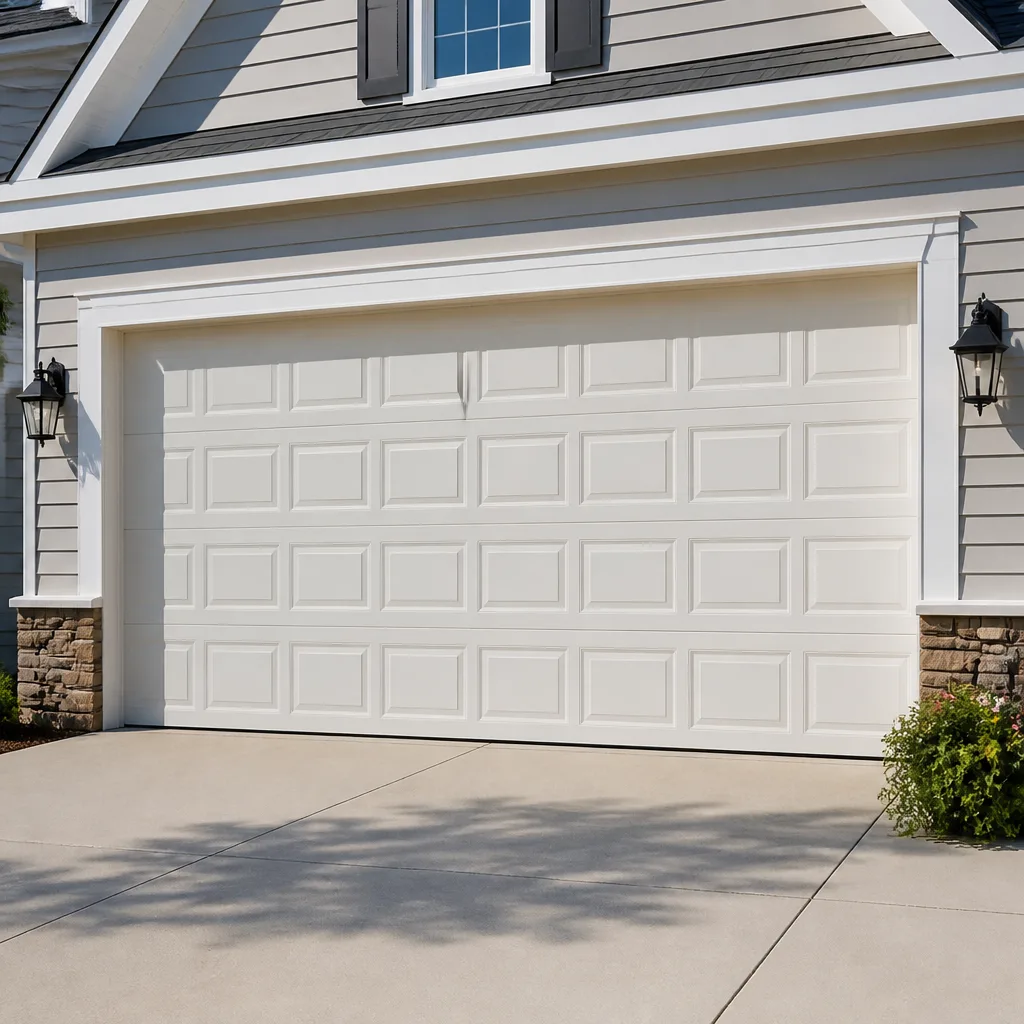 Raised-panel steel
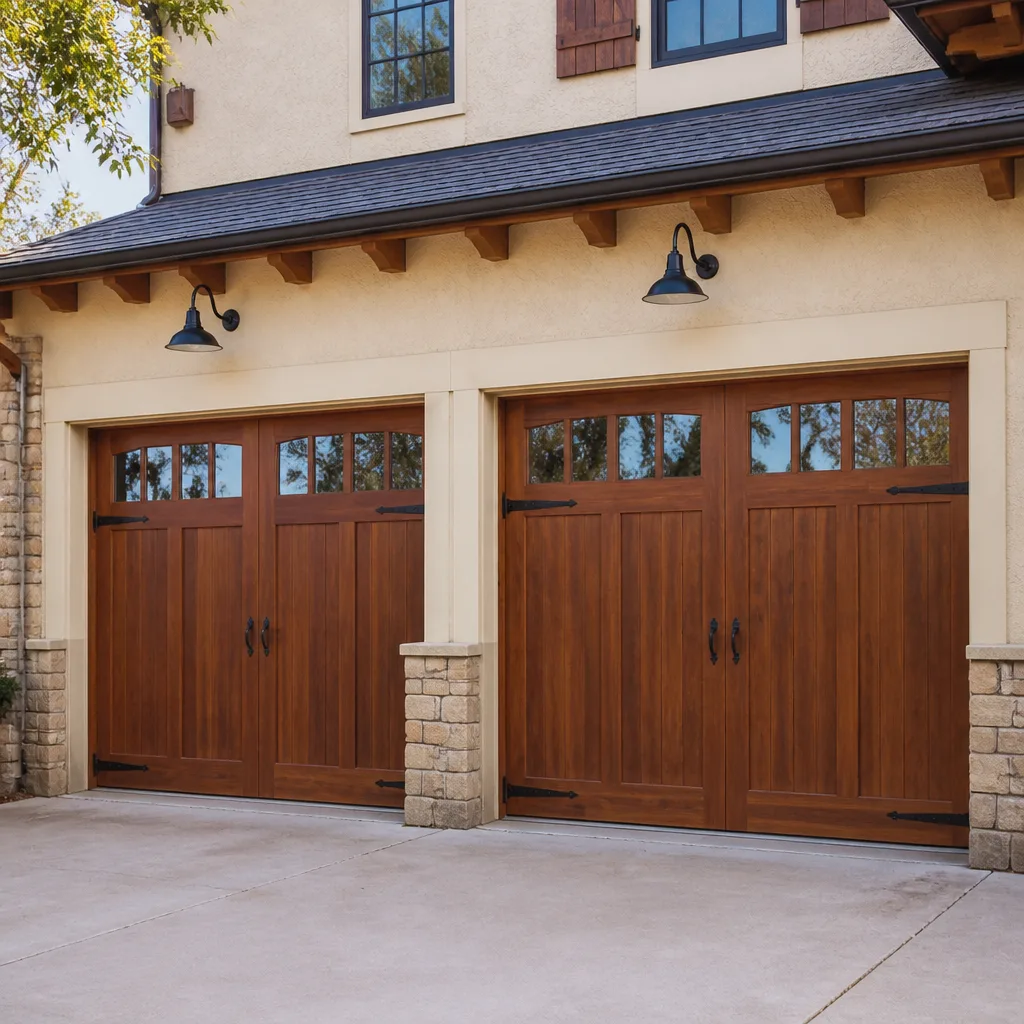 Carriage house
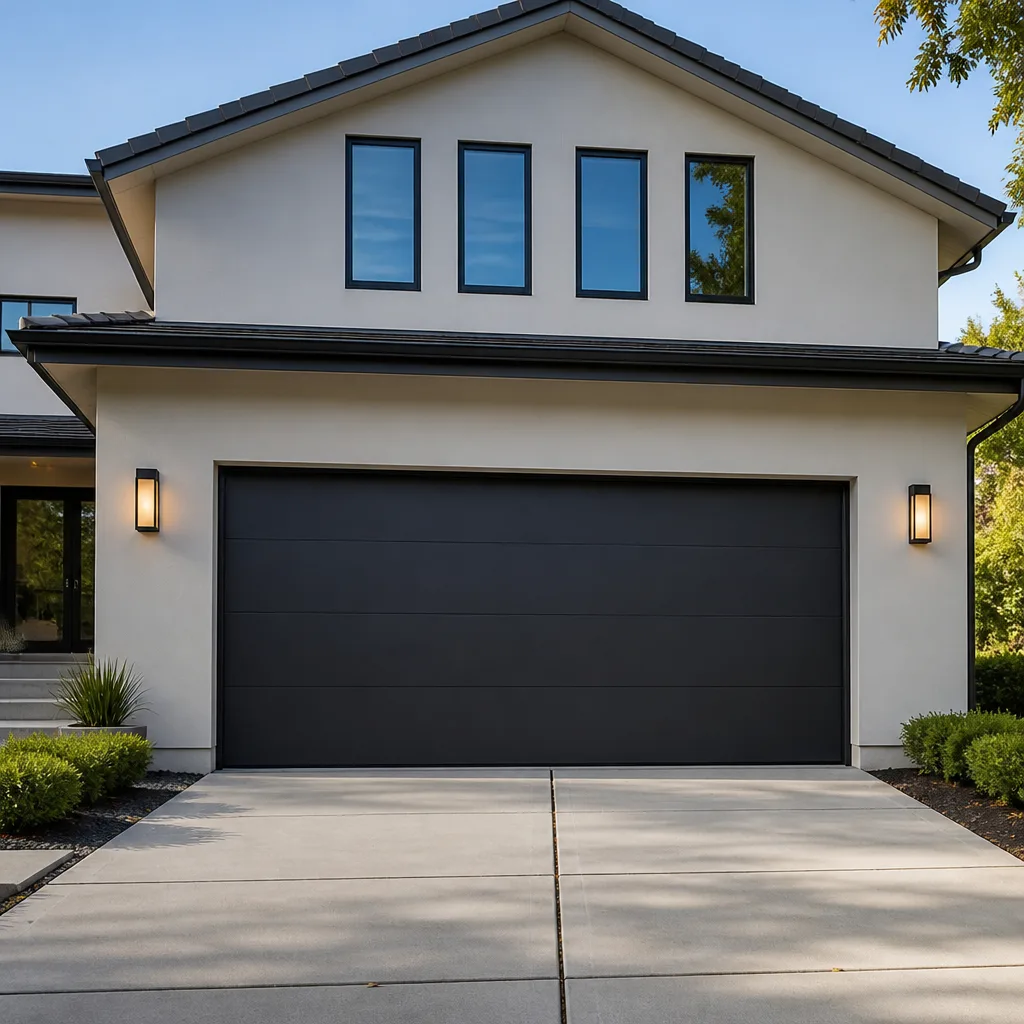 Modern flush
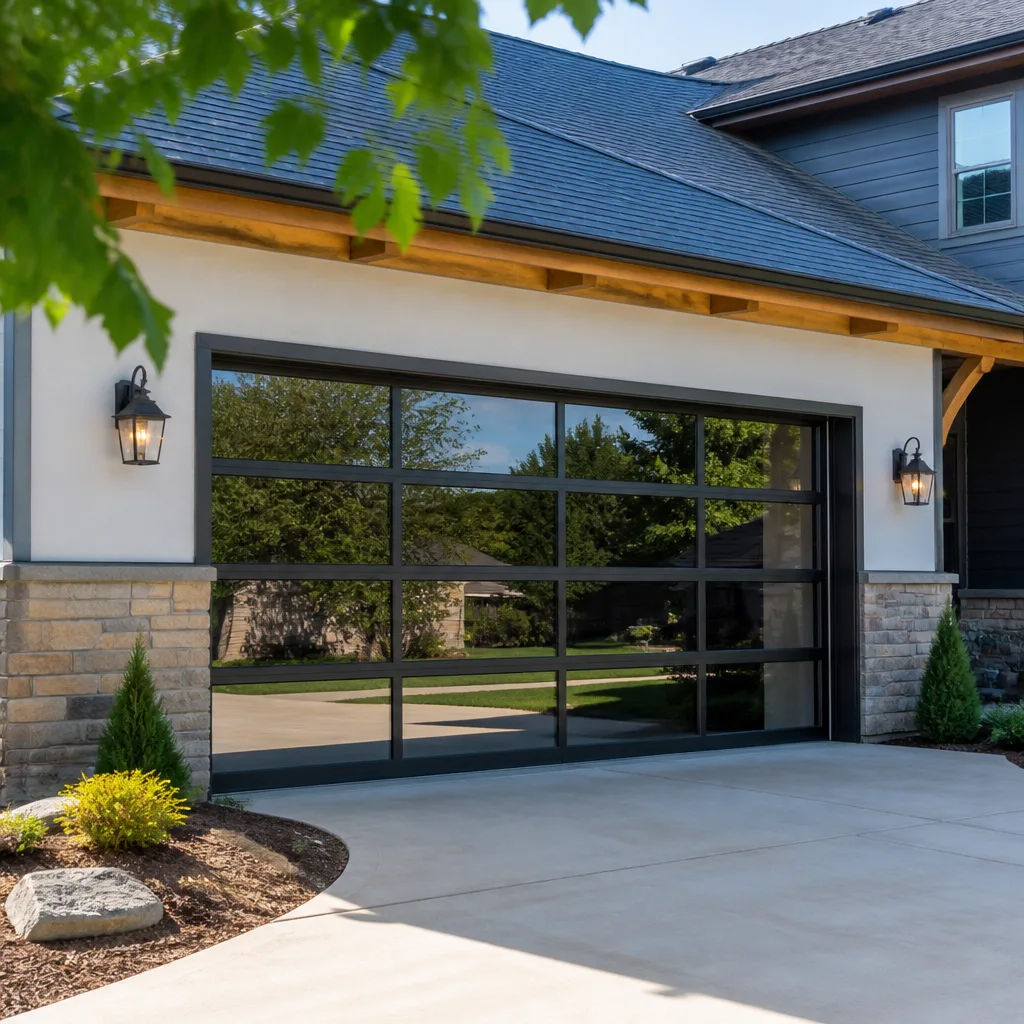 Full-view glass
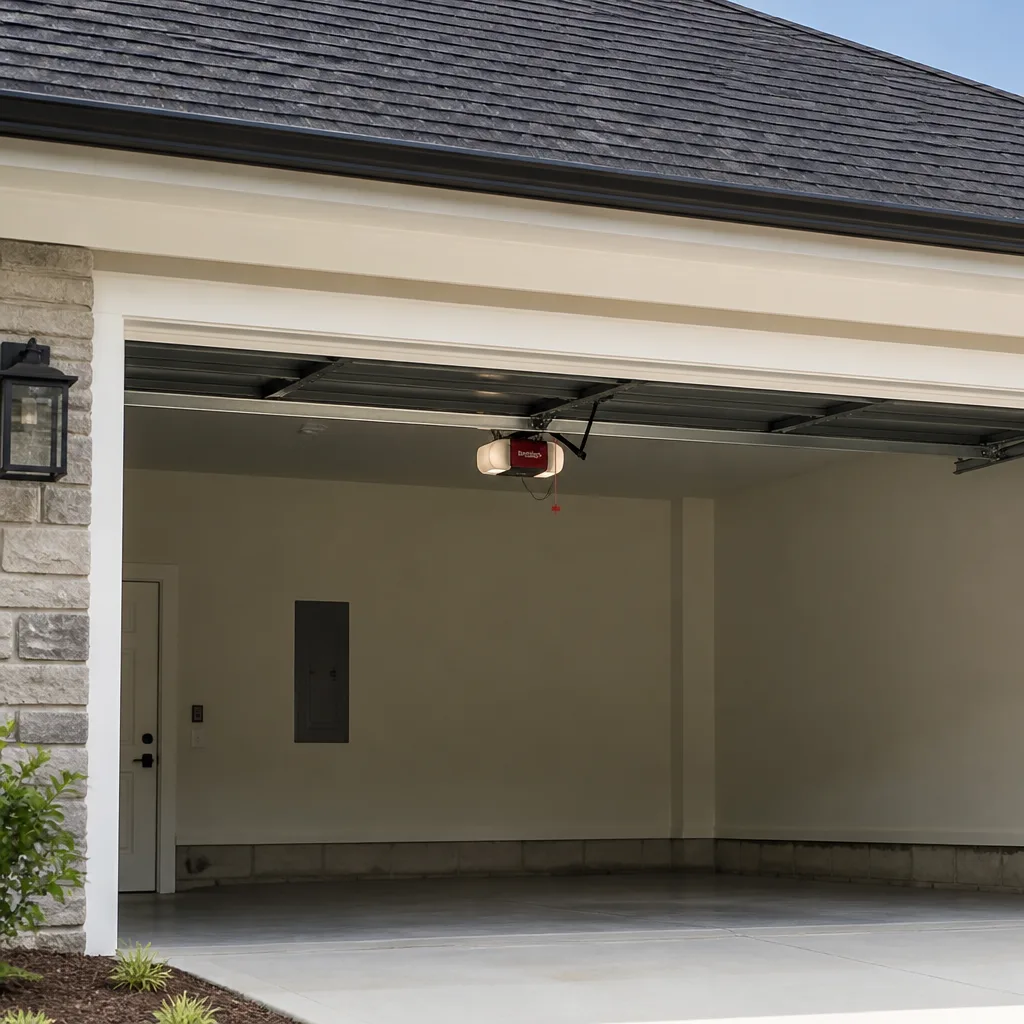 LiftMaster openers
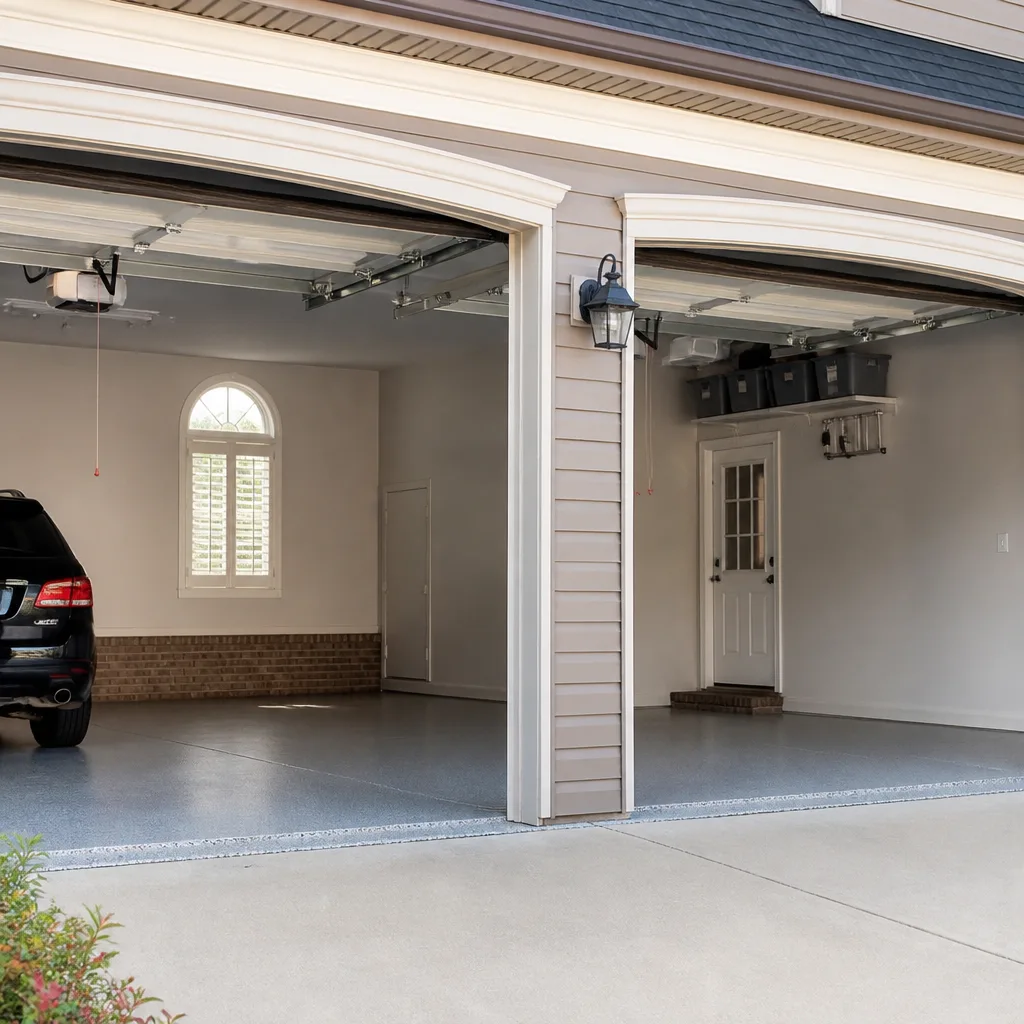 Chamberlain openers
Full 25-point door and opener safety check with every visit - springs, cables, rollers, tracks, and your LiftMaster or Chamberlain opener included
You get a price before we start. It does not change when the pro arrives.
Get your free estimateGarage Door Repair Troubleshooting in Buckhead: Common Problems and How to Fix Them
Most people troubleshoot a garage door backwards. They see a door that won’t open, assume the opener is dead, and start there. In our experience across thousands of Buckhead service calls, that’s the wrong end of the chain. The opener is usually the last thing to fail and the first thing to get blamed. A door that won’t open often has a sensor, spring, or track problem the opener is correctly refusing to force through. This guide walks you through troubleshooting in the order a technician actually works: power, opener, drive, hardware, then panels. By the end you’ll know what you can safely check yourself in Buckhead and what needs a pro.
Quick Answer
Garage door repair troubleshooting in Buckhead starts with the mechanical chain, not the visible symptom. Check power to the opener first, then look for opener error codes or reversing behavior, then inspect the drive system, then the hardware (springs, cables, rollers, tracks), and finally the panels themselves. Roughly 40% of service calls trace back to a sensor, spring, or track issue rather than the opener motor. Anything involving spring tension, cable slack, or off-track rollers is a professional job regardless of how confident a YouTube video makes you feel.
Styles & brands we work with
- Raised-panel steel
- Carriage house
- Modern flush
- Full-view glass
- LiftMaster openers
- Chamberlain openers
Table of Contents
- The Mechanical Chain: Why Diagnosis Order Matters
- Opener Error Codes vs. True Mechanical Failures
- Symptom-to-Cause Matrix: Diagnose Before You Call
- DIY-Safe Checks vs. Pro-Only Problems
- How Buckhead Humidity and Temperature Swings Affect Your Door
- Brand-Specific Troubleshooting: LiftMaster, Genie, Chamberlain, and More
- Safety First: What Never to Touch
- Seasonal Maintenance That Prevents Most Breakdowns
The Mechanical Chain: Why Diagnosis Order Matters
A garage door is a chain of systems, and each link passes force to the next. Power feeds the opener. The opener drives the mechanism. The drive moves the hardware. The hardware moves the panels. When something fails, the symptom shows up at the end of the chain, but the cause is usually further back. That’s why a door that “won’t open” tells you almost nothing on its own.
Here’s the order a technician walks through in Buckhead:
- Power. Is the opener receiving electricity? A tripped breaker, a pulled plug, or a dead outlet will make the opener look broken when it’s fine. Check the wall outlet with a lamp or phone charger before anything else.
- Opener. Is the motor responding at all? Listen for a hum, a click, or a light flash. Any of these means the opener has power and is trying to work.
- Drive. Is the opener’s force actually reaching the door? A broken belt, stripped gear, or snapped chain means the motor runs but nothing moves. This is common on older Craftsman and Chamberlain units.
- Hardware. Are the springs, cables, rollers, and tracks in working order? A snapped torsion spring means the door is too heavy for the opener to lift, and a good opener will stop trying.
- Panels. Is the door itself damaged? Dented, cracked, or misaligned panels can bind in the tracks and stall a healthy system.
Working in this order saves time and money. Homeowners who start by replacing the opener often discover the real problem was a $12 roller or a misaligned sensor. If you’d rather have a specialist walk the chain for you, our garage door repair team handles exactly that, and the diagnosis comes with a written estimate before any work starts.
Opener Error Codes vs. True Mechanical Failures
Modern openers in Buckhead are smart enough to tell you what’s wrong. The trick is knowing which codes point to the opener and which point to the door. A flashing LED on a LiftMaster or Chamberlain unit, or a specific blink count from a Genie, is the opener reporting a fault rather than causing one.
What opener error codes typically mean
- Sensor fault codes. The opener is telling you the safety beam is blocked, misaligned, or the receiving eye has failed. This is the single most common code we see on LiftMaster and Chamberlain units, and it’s a garage door opener repair job only when the eye itself has failed.
- Force or travel codes. The opener is hitting resistance it doesn’t expect. Usually that’s a door binding in the tracks, a failing roller, or a spring that’s lost tension. The opener is working correctly; the door is the problem.
- Lock or logic codes. The opener’s control board is confused, often after a power surge. Sometimes a reset clears it, sometimes the board needs to be replaced.
What “no code, no movement” usually means
When the opener shows no light, no sound, and no code at all, the issue is usually upstream of the opener. That’s the outlet, the breaker, or the wiring between the wall switch and the unit. It’s a frustrating symptom because it looks like total opener failure. It’s almost never the opener.
Brands behave differently here. Amarr and Raynor doors tend to run heavier than average, so a tired spring on a Raynor can present as an opener that “keeps reversing” when the opener is fine. Wayne Dalton doors often use proprietary torsion systems that trigger force codes faster than standard setups. Knowing the brand shapes the diagnosis, which is why we work on the brand you have rather than guessing at parts.
Symptom-to-Cause Matrix: Diagnose Before You Call
This is the part most troubleshooting guides skip: a quick reference so you can arrive at a likely diagnosis before anyone shows up. Print it, bookmark it, or screenshot it for the garage wall. It won’t replace a technician, but it will tell you what kind of problem you’re facing and whether it’s urgent.
- Door won’t move, opener light on, no sound. Likely cause: power to the opener is fine but the logic board or wall switch is failing. Try the wall switch and the remote separately. If neither works, the opener control board is the next check.
- Door starts to move then reverses immediately. Likely cause: misaligned safety sensors or a binding door. Check the sensor LEDs on both sides of the opening. On LiftMaster and Chamberlain units, a solid LED on one eye and a blinking LED on the other means the beam is broken or misaligned.
- Opener hums but door doesn’t move. Likely cause: broken drive belt, stripped gear, or a snapped spring. A snapped spring is a professional job; a broken belt or gear can be replaced by a pro with the right parts.
- Door is stuck open and won’t close. Likely cause: safety sensor obstruction or a forced stop. This is the most common emergency call we get in Buckhead. The door is stuck in the open position and the homeowner needs it closed for security. Call a specialist rather than forcing it.
- Door closes partway then goes back up. Likely cause: down-limit setting is off, or the door is binding near the floor. Sometimes a roller has come loose. Not urgent, but not something to ignore.
- Squealing or grinding noise during travel. Likely cause: worn rollers, dry torsion springs, or a failing bearing plate. Lubrication may help short term; replacement parts are the real fix.
- Door sags on one side. Likely cause: a stretched or broken cable on that side. Cables are under tension and are a professional repair, no exceptions.
- Remote works only up close. Likely cause: battery, antenna position, or interference. Try a new battery first. If that doesn’t fix it, the opener’s radio receiver or logic board is worth checking.
If the matrix points to springs, cables, or the panel being off-track, stop there and call. For everything else, a free estimate and a written price means you’ll know the fix and the cost before any work starts.
DIY-Safe Checks vs. Pro-Only Problems
There’s a clear line between what a careful homeowner can check and what will hurt someone. The line isn’t about confidence. It’s about stored energy. Springs and cables are under hundreds of pounds of tension even when the door looks calm.
Genuinely DIY-safe
- Checking the outlet and breaker that feed the opener.
- Replacing remote batteries and testing each remote separately.
- Wiping the sensor lenses with a soft cloth and checking that the sensor LEDs are solid.
- Moving obstructions out of the sensor beam path, including cobwebs, kids’ toys, and recycling bins.
- Testing the manual release only when the door is fully closed and the springs appear intact.
- Listening for unusual noises and noting when they occur (start, mid-travel, close).
- Cleaning and lightly lubricating the rollers and hinges with a garage-door-safe lubricant.
Pro-only, no exceptions
- Torsion spring replacement. These springs are under extreme tension and can cause serious injury if released incorrectly. Even experienced homeowners should not attempt this.
- Cable repair. Cables under load can snap with enough force to cause injury. Cables are replaced by trained technicians with the correct tools.
- Off-track doors. A door with a roller out of the track is unstable. Forcing it back into place can bend panels or drop the door.
- Bent or kinked tracks. Adjusting or replacing tracks requires aligning the door to the new track geometry.
- Opener force and travel adjustment. Modern openers need precise calibration. Setting them too high can cause the door to crush objects or fail the safety reverse test.
- Broken hinges or bent sections. These are structural and load bearing.
We’ve seen the results of DIY spring jobs in Buckhead, and they’re never worth the risk. Spring repair done safely is a separate skill, and it’s one of the five core services we offer because it demands training most generalists don’t have.
How Buckhead Humidity and Temperature Swings Affect Your Door
Buckhead’s climate is hard on garage doors in ways that don’t show up in manufacturer manuals. The region swings from humid summers to occasional hard freezes, and both ends of that range stress different parts of the door.
Humidity and wood doors
Wood doors expand and contract with moisture. In a humid Atlanta summer, wood panels can swell slightly in their frames, which makes the door heavier and increases strain on the springs and the opener. If a wood door feels suddenly sluggish in July, the door may be binding rather than the opener failing. This is common in older Buckhead homes with custom wood carriage-style doors.
Temperature swings and sensors
Safety sensors are aligned to a beam that needs to hit the receiving eye exactly. Sharp temperature changes can shift the mounts by a fraction of an inch, enough to break the beam. If your door starts reversing in the morning after a cold night and works fine in the afternoon, sensor alignment is the first thing to check. We see this pattern in Buckhead more in the fall and early spring, when overnight temperatures drop.
Lubrication cycles
Humidity changes how quickly lubricant breaks down. In damp months, hinges and rollers lose their protective film faster. Lightly lubricating the moving parts twice a year, once in the spring and once in the fall, keeps the door quieter and reduces roller wear. Avoid over-lubricating tracks; tracks should be clean and dry, not greasy.
Metal doors and thermal movement
Steel and aluminum doors contract in the cold, which can loosen fasteners over time. A rattle that shows up only in January is usually a loose hinge screw, not a structural failure. Checking and tightening the hinges and brackets once a year catches most of these before they become a bind.
Brand-Specific Troubleshooting: LiftMaster, Genie, Chamberlain, and More
Garage doors and openers are not interchangeable. A diagnostic habit that works on one brand can mislead on another. We work on eight major brands, and the differences matter for how quickly a problem gets pinned down.
- LiftMaster and Chamberlain. These two share engineering lineage and error-code systems, which makes them predictable. Most issues we see are sensor alignment, dry rollers, or a failing logic board after a power surge. Their MyQ connectivity can also confuse homeowners when the app shows a door as open or closed incorrectly; the fix is usually a network re-pair, not the opener.
- Genie. Genie openers are reliable but use different travel and force settings than LiftMaster units. A code that would mean a sensor fault on a LiftMaster may mean something else entirely on a Genie. Always check the brand-specific manual before assuming.
- Craftsman. Older Craftsman units are workhorses, but the drive gears wear out on high-cycle doors. A grinding noise on a 15-year-old Craftsman almost always points to the gear assembly rather than the motor.
- Wayne Dalton. The torque-master and proprietary torsion systems used on many Wayne Dalton doors behave differently from standard torsion setups. A door that uses a spring-less torsion design may bind in ways that standard diagnostics don’t catch.
- Amarr and Raynor. Both build heavier residential doors than average. On these, a tired spring doesn’t always show as “door too heavy to lift.” It shows as an opener that reverses mid-travel because the force sensors are kicking in.
- Clopay. Clopay doors use common hardware but specific panel profiles. When a panel needs replacement, matching the profile matters more than the opener brand.
The takeaway: identify the door brand and the opener brand separately before diagnosing. If you need a full replacement rather than a repair, garage door installation starts with a measure of the opening, a brand selection, and a written price, not a same-day swap.
Safety First: What Never to Touch
Garage door work has real hazards, and the most dangerous parts don’t look dangerous. A torsion spring under tension can cause serious injury in an instant. Cables can snap with enough force to cut through clothing. A door that’s off-track can drop without warning. That’s why our spring repair service is a standalone, named offering: high-tension work needs specific training and specific tools.
Here’s the safety checklist we use:
- Never release or adjust a torsion spring yourself. Even experienced technicians use winding bars and specific procedures. The spring stores enough energy to break bones.
- Never cut or remove cables under tension. Cables and springs work together. A free cable is a danger to anyone nearby.
- Never run the opener on a door with a visibly broken spring. The opener will try to lift the full weight of the door, may strip its gear, and may drop the door.
- Never force an off-track door back into the tracks. The door is unstable. Call a technician.
- Never disable the safety sensors. Sensor bypasses cause serious injuries every year. If a sensor is faulty, it gets replaced.
- Always test the safety reverse feature once a month by placing a small object in the door’s path and confirming it reverses. If it doesn’t, stop using the door and call for service.
Safety is not a marketing line for us. A trained specialist knows what not to do as well as what to do, and that’s the difference between a repair and a hazard.
Seasonal Maintenance That Prevents Most Breakdowns
Most emergency calls we get in Buckhead would have been avoided by an hour of maintenance once or twice a year. The parts that fail loudest have usually been failing quietly for months. A short, repeatable checklist catches them early.
Spring and fall checklist
- Lubricate the moving parts. Rollers, hinges, and the torsion bar get a light coat of garage-door-safe lubricant. Tracks stay clean and dry.
- Test the safety reverse. Place a small block under the door and confirm it reverses on contact. If it doesn’t reverse, stop and call.
- Check the sensors. Both LEDs should be solid. Wipe the lenses and confirm nothing blocks the beam.
- Tighten the hardware. Hinges, brackets, and bolts work loose with vibration. A quick pass with the correct wrench catches most of it.
- Inspect the springs and cables. Look for visible gaps in springs, fraying on cables, and sagging on one side. Anything unusual is a call.
- Test the balance. Pull the manual release only when the door is fully closed. A properly balanced door will lift with moderate force and stay open partway. A door that slams shut needs spring service.
- Listen for new noise. Squeals, pops, and rumbles are the door telling you something needs attention.
After severe weather
Buckhead sees storm systems that push doors closed hard and can knock sensor alignment off. After any significant weather event, run through the sensor and hardware checks even if the door “seems fine.” Catching a small adjustment early is cheaper than replacing a bent track.
If you want a specialist to walk the checklist with you, Buckhead Garage Door Repair Pros offers a free estimate on any repair. You’ll know what’s needed and what isn’t, in writing.
Common Mistakes to Avoid
- Replacing the opener before diagnosing the door. More than a third of the openers we’re called to replace in Buckhead aren’t broken. The door was binding, the sensors were misaligned, or a spring had failed. Diagnose the chain first.
- Using WD-40 on the tracks. Tracks should stay clean and dry. Grease on the tracks attracts grit, which chews up rollers. Light oil on the rollers and hinges only.
- Ignoring a reversing door. A door that reverses isn’t being cautious, it’s telling you something is wrong with the sensor, the travel settings, or the door’s balance. It won’t fix itself.
- Forcing a stuck door. If the door won’t move and the opener is humming, forcing it can strip the gear, bend a panel, or snap a cable. Stop and call.
- Overlooking the manual release for too long. Homeowners sometimes leave a door on manual release for weeks. That mask hides a spring problem and stresses the opener later. If the door is on manual release, the repair is overdue.
- Buying generic opener parts online. A LiftMaster logic board isn’t interchangeable with a Genie board, and a “universal” gear kit can strip inside a month. Match the part to the brand.
- Doing spring work yourself. This is the mistake with the highest cost, and it isn’t a dollar figure. It’s a hospital visit. Springs are not a DIY repair.
See the difference
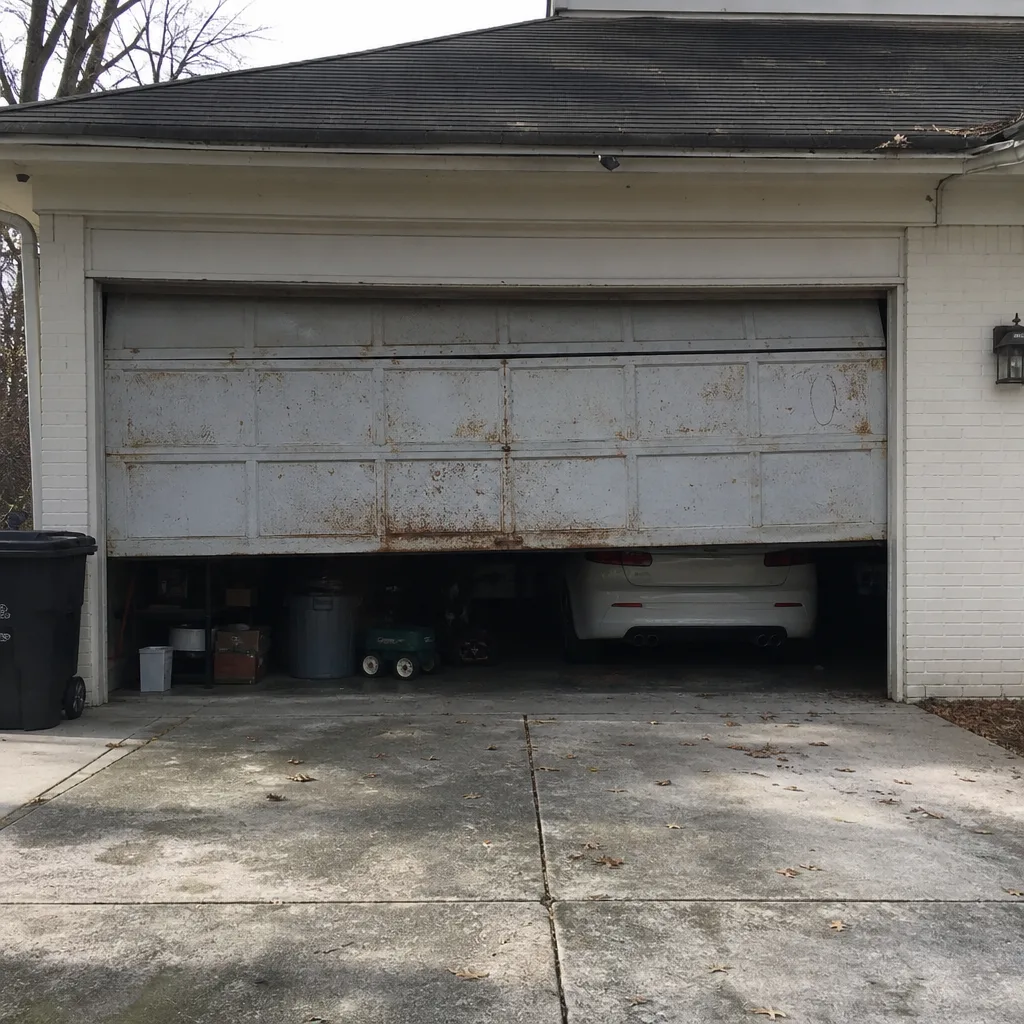 Before
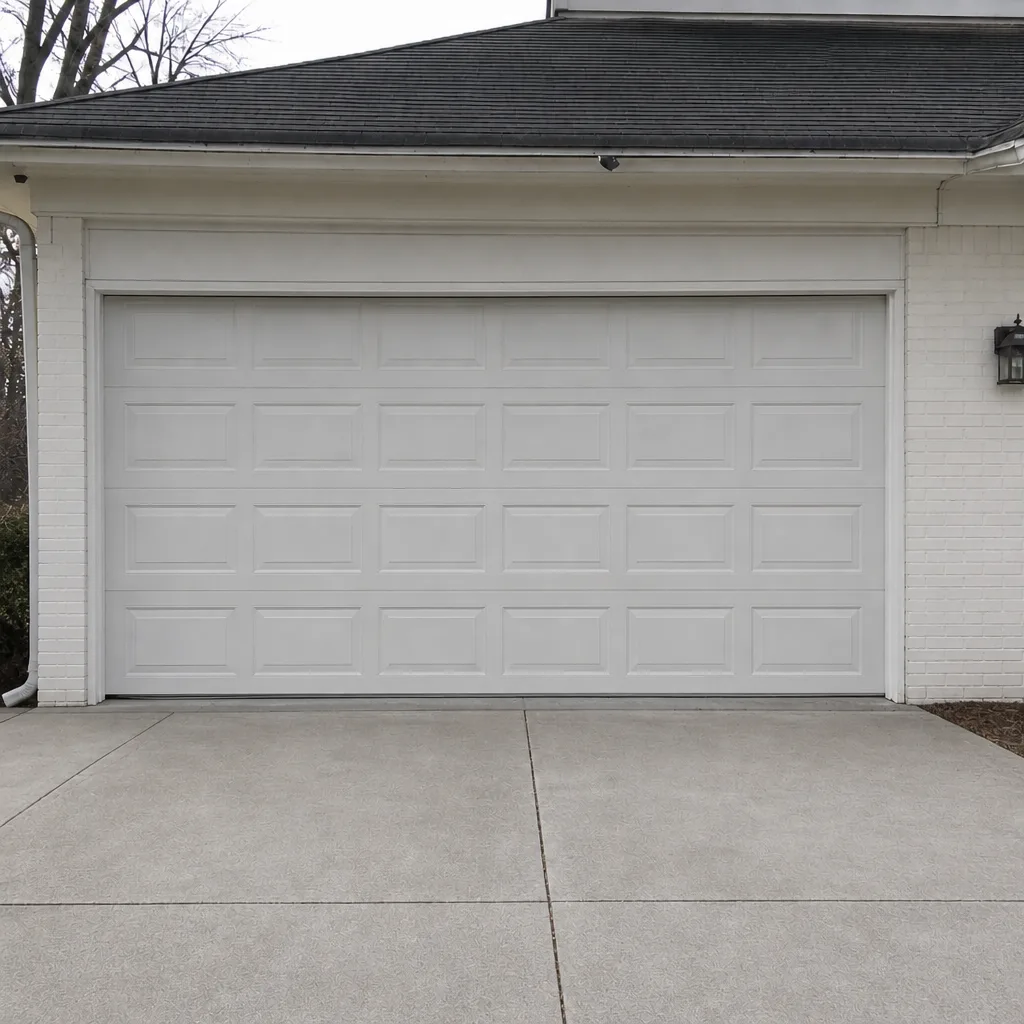 After
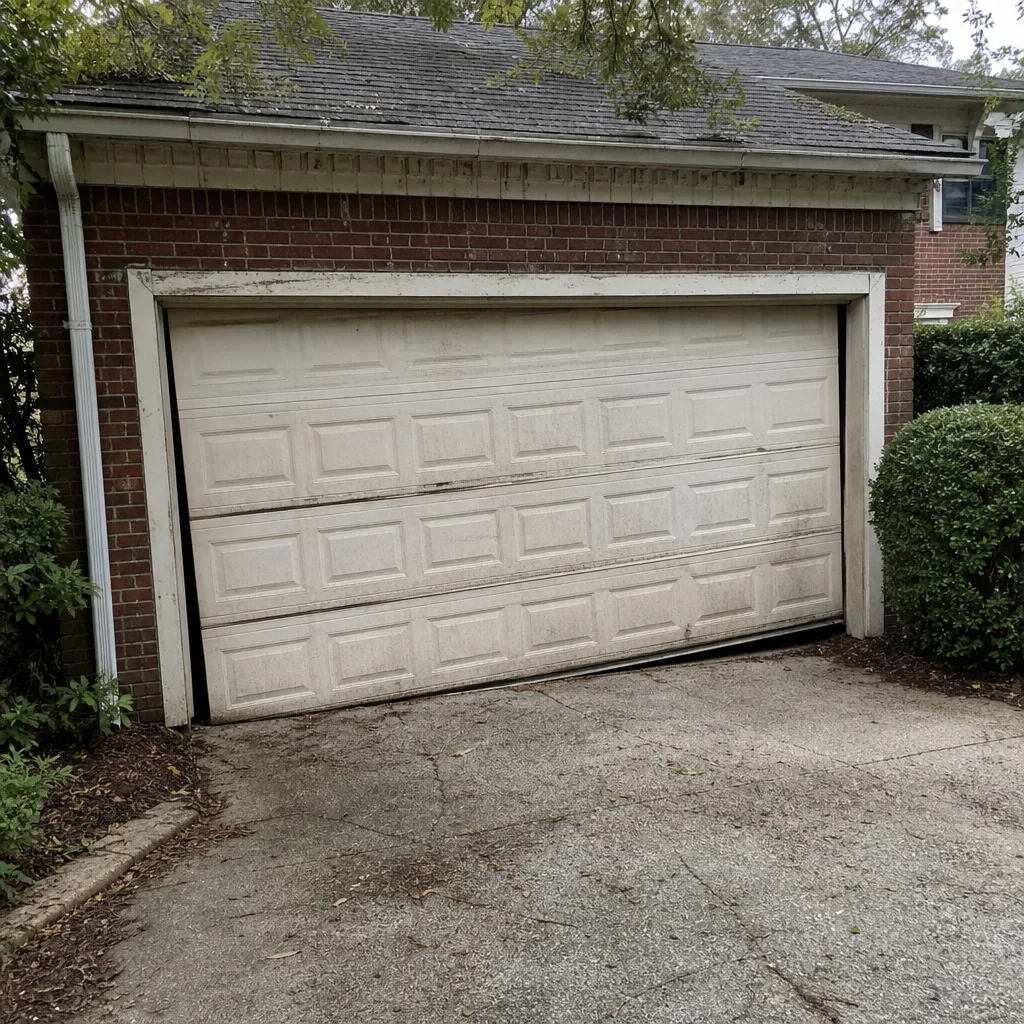 Before
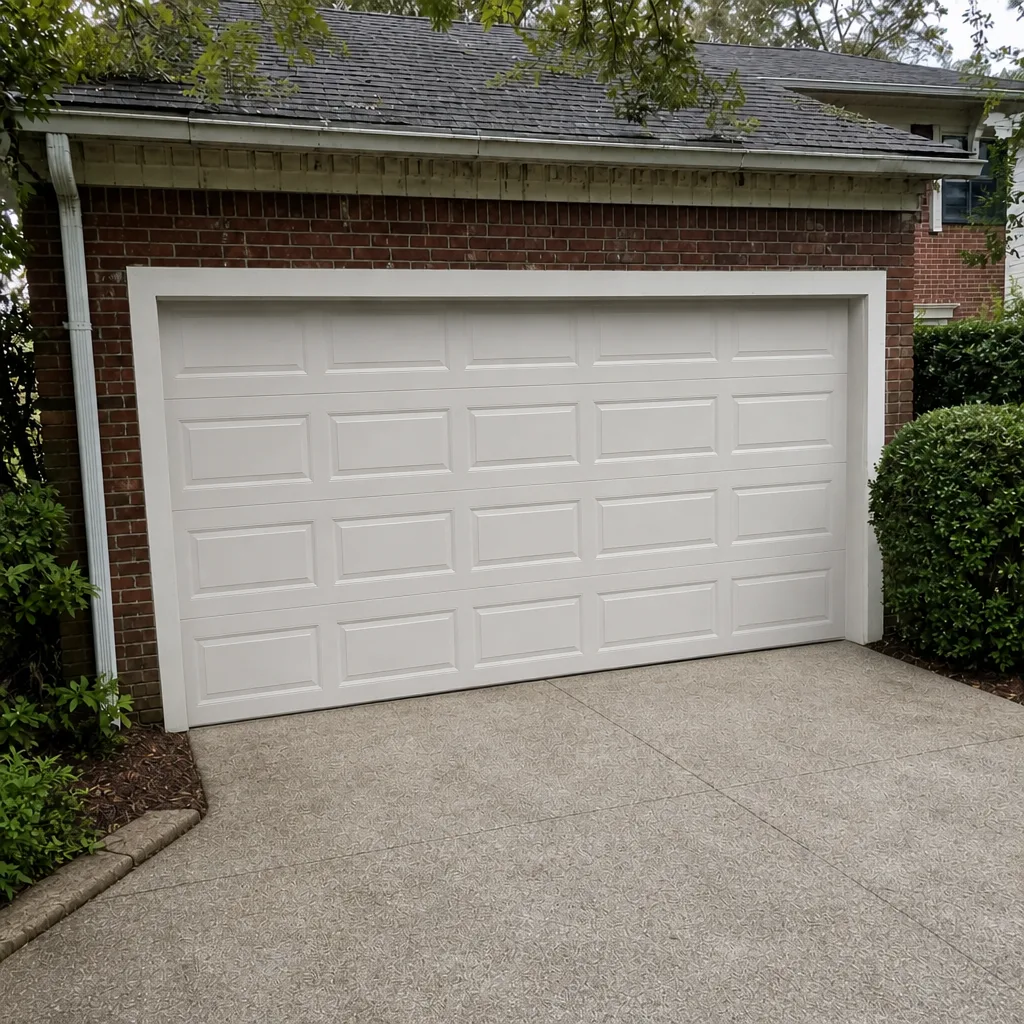 After
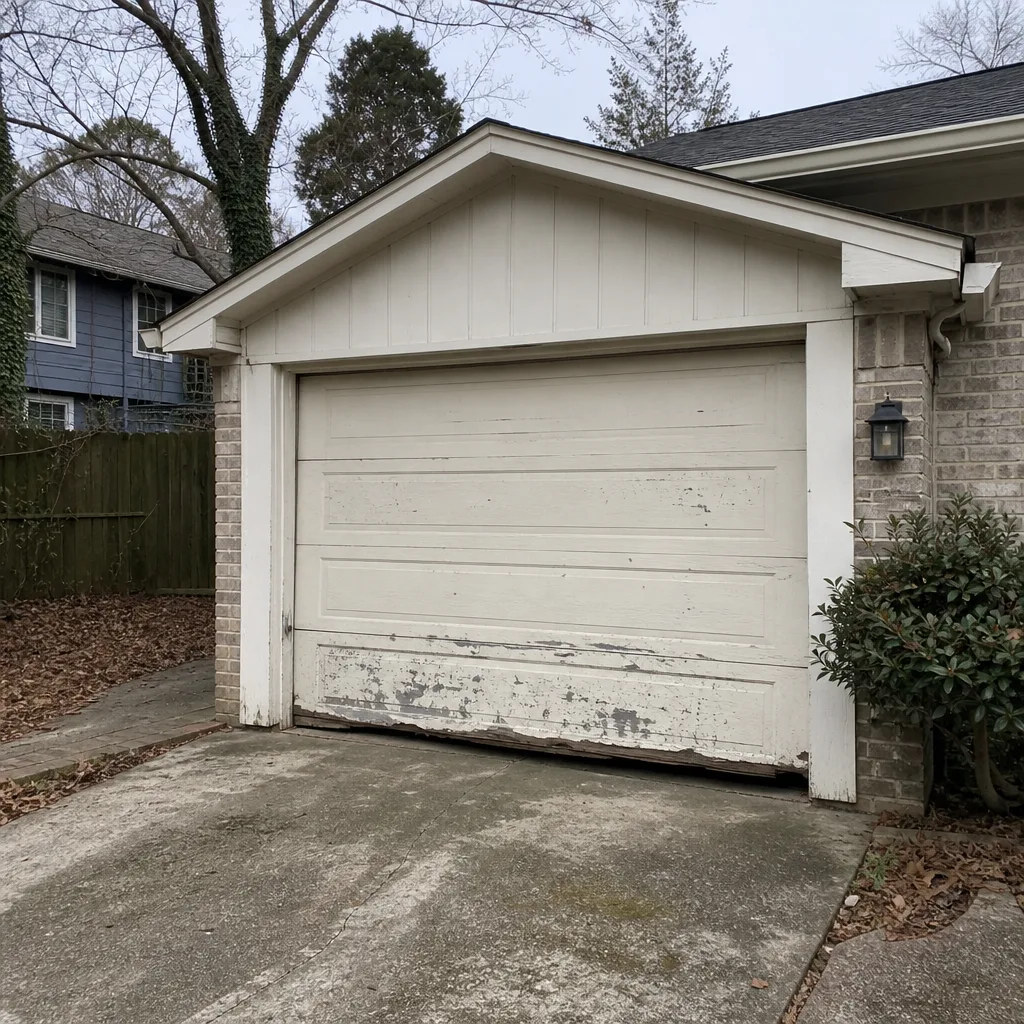 Before
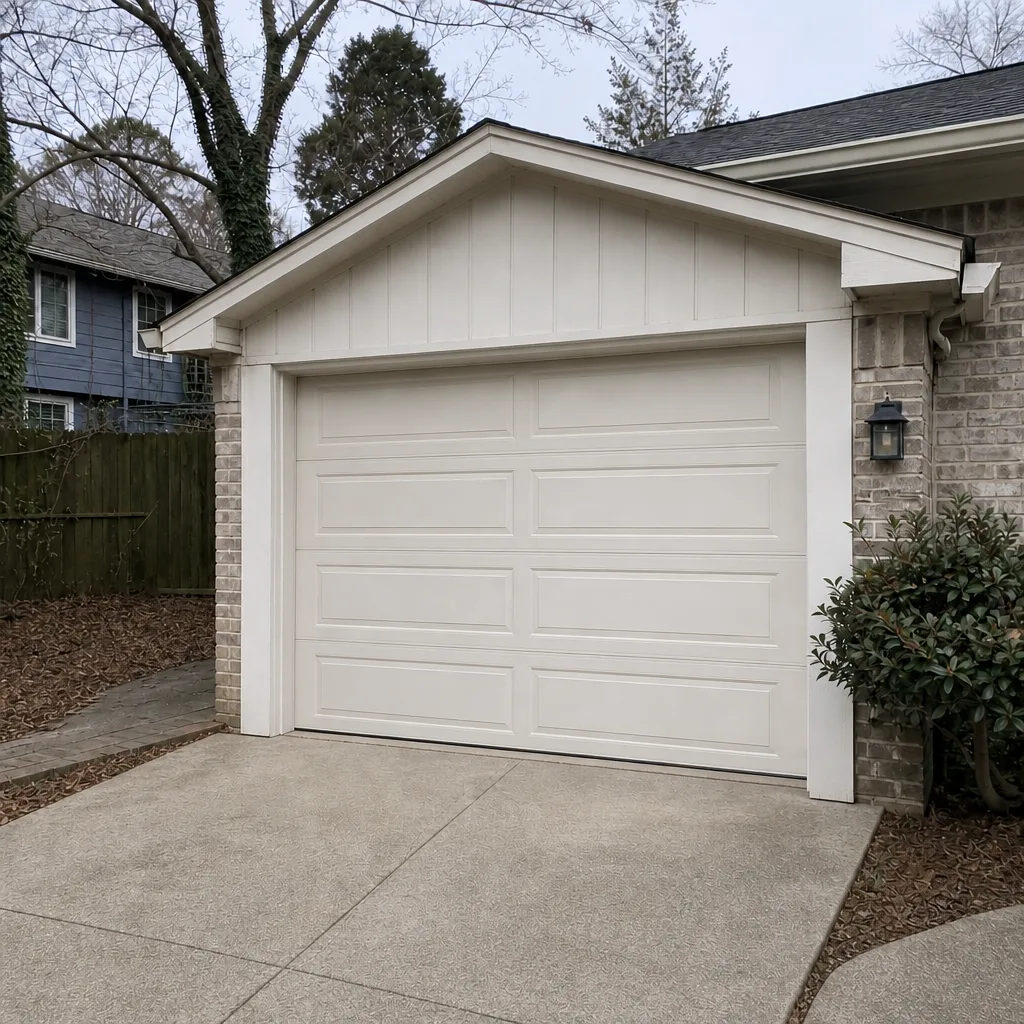 After
When to Call a Professional
Call a specialist when the symptom involves spring tension, cable slack, an off-track door, or a panel that’s visibly bent. Those are the four categories where a mistake can hurt someone. Also call when the door reverses repeatedly, when the opener runs but the door doesn’t move, or when the door is stuck open and you need it closed for security.
Brand-specific issues are worth a call too. If you’ve reseated the sensors on a LiftMaster and the door still reverses, or a Genie opener is throwing codes you can’t match to the manual, a technician who knows the brand will save you hours of guessing. Buckhead Garage Door Repair Pros offers free estimates in Buckhead. Call (866) 651-6880. We answer 24/7. Fast dispatch from 7am to 7pm, Sunday through Friday. Our technicians have up to 12 years of experience, and the price is set by the written estimate before any work starts.
Frequently Asked Questions
The most likely cause is a travel or force limit on the opener, a binding roller, or a spring that’s lost tension. The opener senses resistance and stops the door to protect it. Check the sensors first, then look at the rollers and tracks. If the door feels unusually heavy when you lift it by hand (with the opener released, door closed), the springs need service. Call (866) 651-6880 for a free estimate and a written price.
Yes, if the problem is obstruction or a dirty lens. Wipe both sensor eyes, confirm nothing blocks the beam, and check that both LEDs are solid. If the LEDs are still blinking after cleaning and realigning, the sensor or wiring needs replacement, which is a service call. Call (866) 651-6880 and we’ll diagnose it on a free estimate.
A door stuck open is usually a safety sensor fault, a limit setting, or a forced stop. Don’t force the door closed, because the opener may fight you. If you need the door closed for security tonight, call (866) 651-6880. We answer 24/7. Fast dispatch from 7am to 7pm, Sunday through Friday, and a call outside those hours is booked into the next opening.
The estimate is free and the price is set per job by the written estimate. There’s no separate charge for us to come out and diagnose the door. Once we know what’s wrong, we give you a written price, and you approve it before any work starts. That’s the number you pay. Call (866) 651-6880 for the free estimate.
No. The written estimate sets the final price. If the diagnosis on arrival reveals a different problem than expected, we tell you before the work begins and update the estimate in writing. You approve the new number, or you don’t. There are no surprise line items added after the fact. Call (866) 651-6880 to schedule the free estimate.
We work on the brand you have across eight major manufacturers: LiftMaster, Chamberlain, Genie, Clopay, Amarr, Wayne Dalton, Craftsman, and Raynor. Brand-specific diagnosis matters because error codes, force settings, and hardware differ between them. If you have a different brand, call (866) 651-6880 and we’ll tell you whether we can help.
The Bottom Line
Garage door troubleshooting follows a chain. Check power first, then the opener, then the drive, then the hardware, then the panels. Most failures start further back than the symptom suggests, which is why replacing the opener almost never fixes a door that wouldn’t open to begin with. In Buckhead, sensor alignment issues peak with temperature swings, wood doors bind in humid months, and lubrication twice a year prevents most of the noise that brings people to search. Know your door brand and your opener brand separately. Skip the spring work yourself. And when you’re ready for a specialist, Buckhead Garage Door Repair Pros covers repair, opener service, spring repair, and installation under one company. Call (866) 651-6880. We answer 24/7. Fast dispatch from 7am to 7pm, Sunday through Friday. Free estimates, and the written price is the price.
Written by the team at Buckhead Garage Door Repair Pros.