
Last updated November 21, 2026
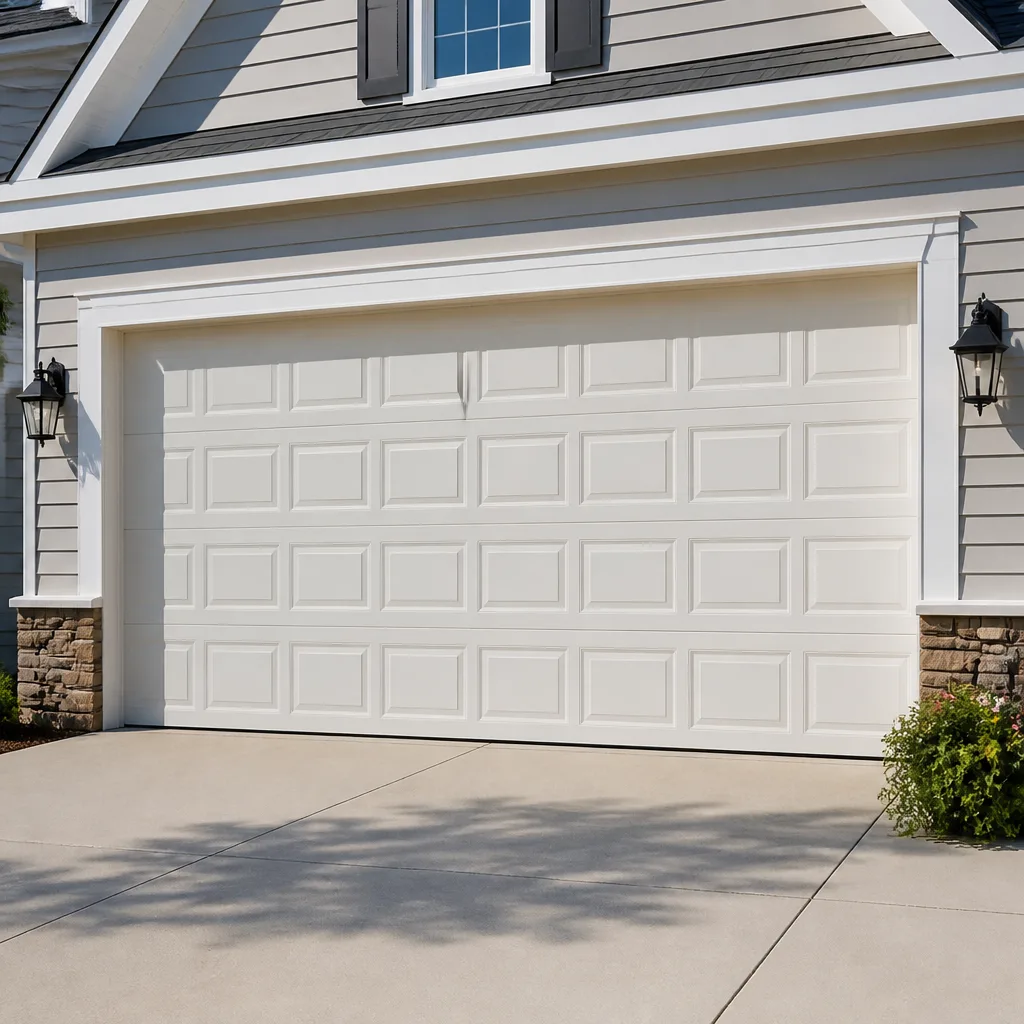 Raised-panel steel
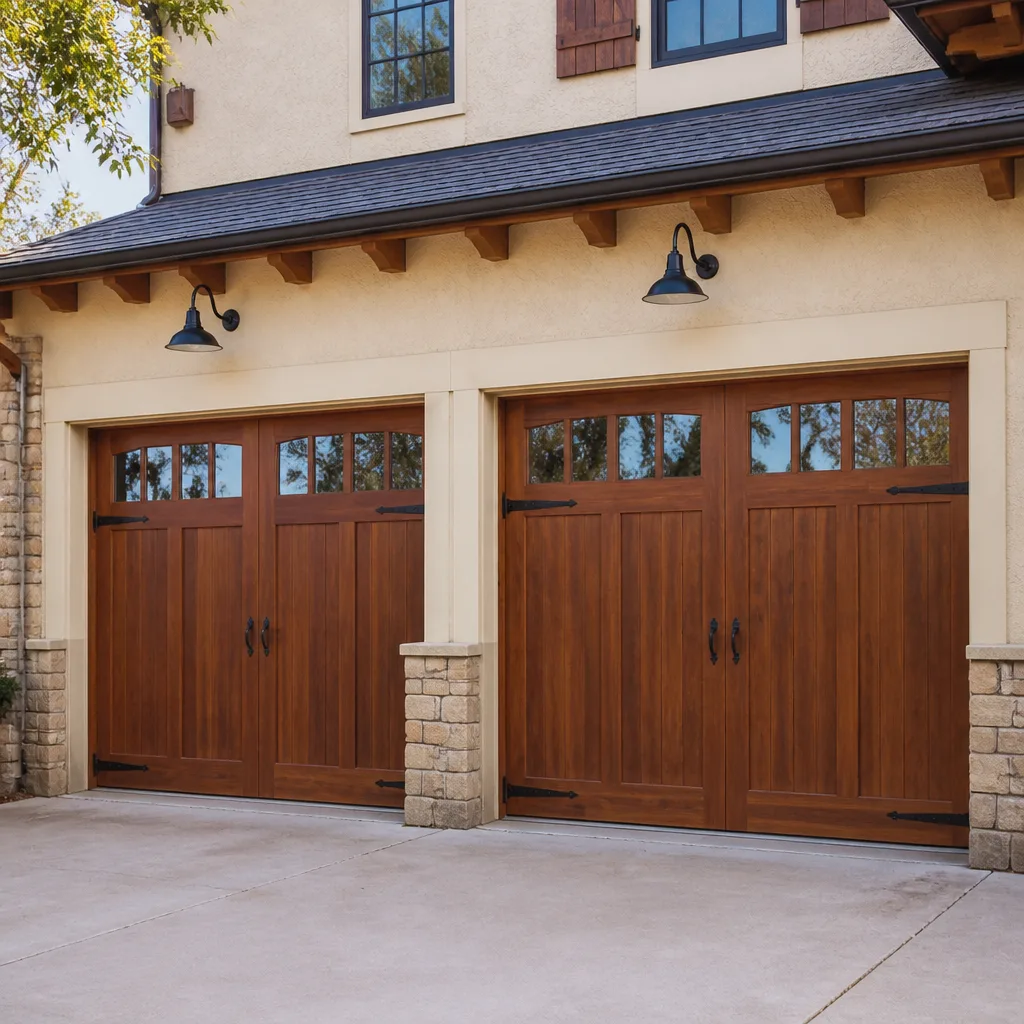 Carriage house
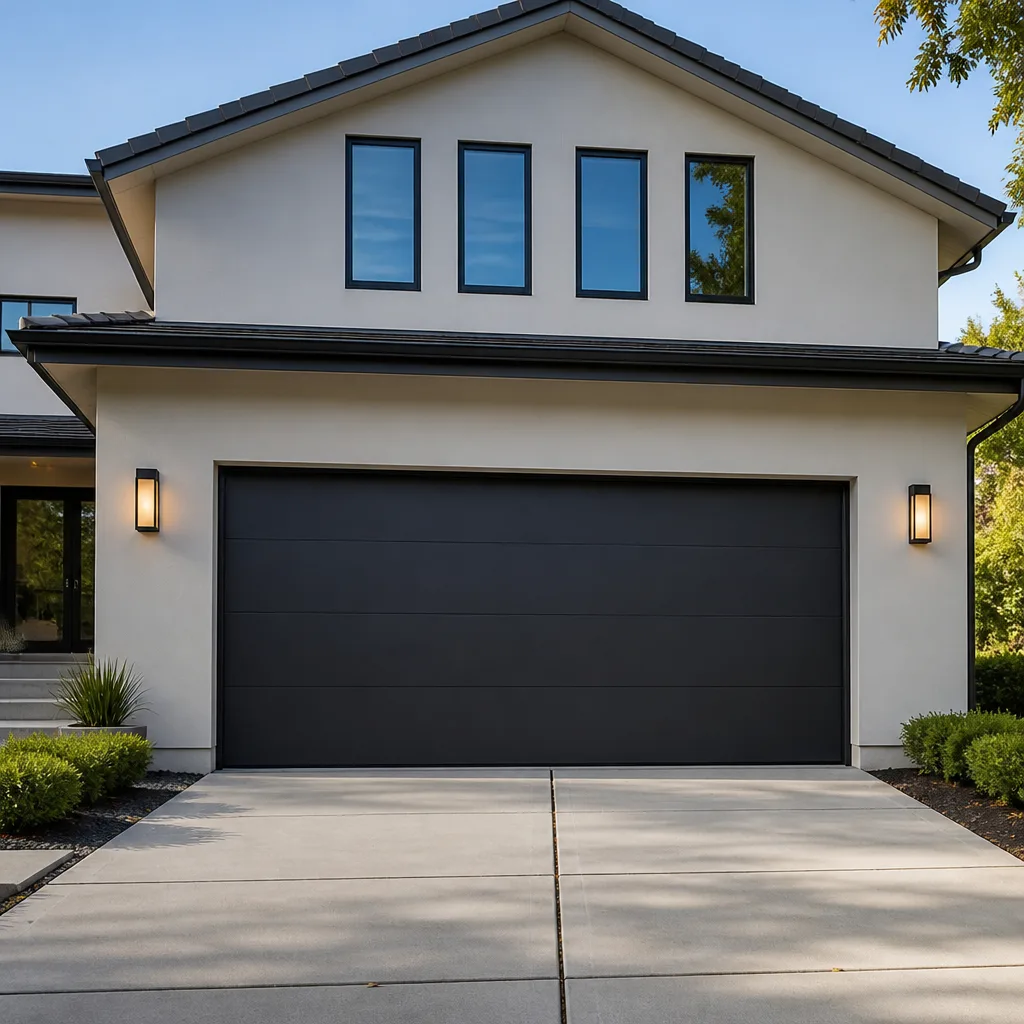 Modern flush
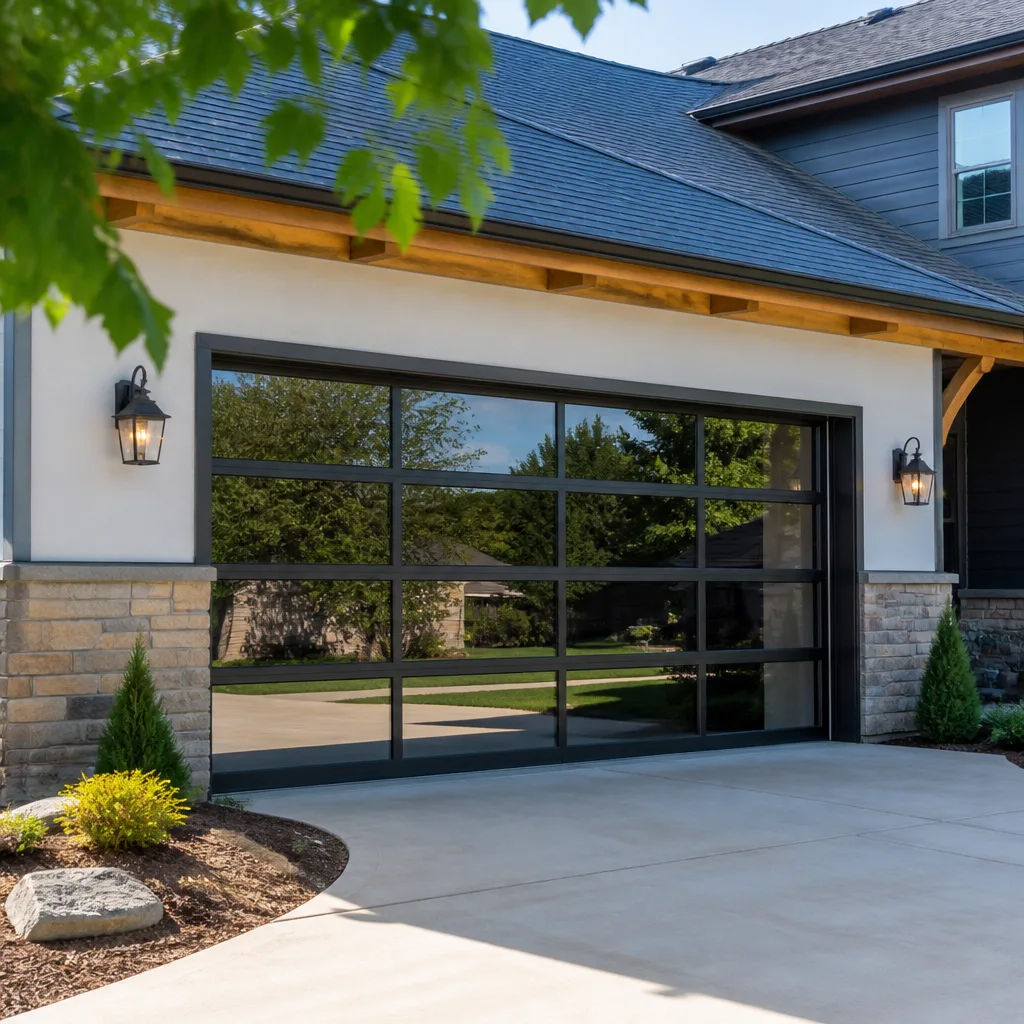 Full-view glass
 LiftMaster openers
 Chamberlain openers
Full 25-point door and opener safety check with every visit - springs, cables, rollers, tracks, and your LiftMaster or Chamberlain opener included
You get a price before we start. It does not change when the pro arrives.
Get your free estimateGarage Door Permits, Codes & Inspections in Buckhead, GA: What You Need to Know
Here’s the part most Buckhead homeowners don’t hear until it costs them: replacing a garage door isn’t always treated as a simple swap. Change the door’s size, its header, or the opening itself, and your project can cross from routine maintenance into work that falls under the City of Atlanta’s amendments to the Georgia State Minimum Standard Codes. That line matters, because it decides whether you need a building permit, whether an inspector will look at the door, and whether a buyer’s agent will flag the job years later during a sale. This guide walks through when a permit actually applies, how living inside Atlanta city limits differs from nearby unincorporated Fulton County, why HOA approval and a building permit are two separate things, what happens when a replacement was never permitted, and which wind load ratings satisfy Georgia’s amended residential code.
Quick Answer
A permit is generally required in Buckhead when garage door work changes the structure of the opening – a new size, a new header, reframing, or a full replacement that alters the rough opening or load path. Straight repair and like-for-like replacement of a door in the same opening is typically treated as maintenance and usually does not need one. Because Buckhead sits inside Atlanta city limits, City of Atlanta code amendments and its permitting office apply here, not the rules that govern unincorporated Fulton County a few miles away. Always confirm the specific scope with the city’s building department before work begins.
Styles & brands we work with
- Raised-panel steel
- Carriage house
- Modern flush
- Full-view glass
- LiftMaster openers
- Chamberlain openers
Table of Contents
- Is it repair or replacement? How OCGA definitions draw the line
- Buckhead inside Atlanta city limits vs. unincorporated Fulton County
- HOA architectural approval vs. a building permit: why you need both
- How an unpermitted garage door shows up in a home sale
- Wind load requirements under Georgia’s amended residential code
- What a garage door inspection actually looks at
- Step-by-step: permitting a garage door replacement in Buckhead
- When to call a professional
Is it repair or replacement? How OCGA definitions draw the line
Georgia’s state code framework, adopted in Title 8 of the Official Code of Georgia Annotated, separates repair and maintenance from new construction and alteration. That separation is the whole ballgame for garage doors. A repair keeps the existing assembly and its dimensions intact. An alteration changes the structure, the opening, or the way loads are carried. The first usually needs nothing from the city. The second can require a permit and an inspection before the job is signed off.
In practice, here’s how the split looks for a typical Buckhead property:
- Usually maintenance: replacing a torsion or extension spring, swapping an opener motor or logic board, replacing rollers, hinges, cables, bottom seals, or weatherstripping, realigning tracks, and replacing a door section damaged by impact.
- Often an alteration that needs a permit: resizing the opening, removing or modifying the header, reframing the opening, converting a manual door to an automatic one where wiring and the structure change, or replacing a door with a different weight and configuration that changes the load on the opening.
- Gray zone: a full door replacement in the exact same opening with the same size and weight. Some scopes land on the maintenance side of the line. Others do not, depending on how the framing and attachment change. This is where a call to the city’s building department settles it before you order a door.
The reason we’re careful here is simple: the permit question is answered by the scope, not the price tag. A garage door installation in Buckhead that keeps the opening unchanged is a different permitting situation from one that widens it. Get the scope described accurately and the answer gets much clearer. And if you’re only fixing what broke, garage door repair normally stays on the maintenance side of the code.
Buckhead inside Atlanta city limits vs. unincorporated Fulton County
Buckhead is a neighborhood of Atlanta, not a separate municipality and not unincorporated Fulton County. That distinction carries real permitting weight. Properties inside Buckhead fall under the City of Atlanta’s building department for permits and inspections, and they’re subject to the city’s amendments to the Georgia State Minimum Standard Codes. A house five miles north in unincorporated Fulton County follows a different administrative path, even though both are in the same county. Neighboring cities like Sandy Springs and Brookhaven run their own permitting operations entirely.
Why this matters for a garage door:
- The office is different. A homeowner in Buckhead files with Atlanta, and the inspector who signs off is an Atlanta inspector.
- The amendments are different. Atlanta layers local amendments on top of the state code. Those amendments can affect how a project is scoped and inspected even when the underlying state code is identical.
- The records trail is different. Permits pulled through Atlanta show up in Atlanta’s records. A title search at resale looks for records in the right jurisdiction. If the job happened across a jurisdictional line, the search may find nothing – which raises a question even when the work was fine.
Buckhead also brings its own housing stock into the picture. The mix of older estates, mid-century ranches, and newer builds means garage openings vary widely in size, framing, and load conditions. Two homes on the same street can require very different engineering once the opening changes. That variability is one more reason to confirm scope with the city rather than assume your neighbor’s experience applies to your house.
HOA architectural approval vs. a building permit: why you need both
An HOA architectural review and a City of Atlanta building permit are unrelated approvals that answer different questions. The HOA asks whether your door matches the community’s design standards. The city asks whether the work meets the building code and is safe. Passing one does not satisfy the other, and getting one and skipping the other is a common and avoidable problem in Buckhead.
Think of it as two separate checklists:
- HOA architectural approval – controls appearance, materials, color, window patterns, and sometimes the panel style. Many Buckhead communities have covenants that specify acceptable door styles or require visible consistency along a street.
- City of Atlanta building permit – controls the structural and life-safety side. Framing, attachment, wind resistance, and the electrical work for an opener fall here. This is a government approval with an inspection record attached.
The order of operations matters. HOA approval often takes time, and design review can come back with a request to change the door style or color. You don’t want to order a door, pull a permit, and then discover the HOA wants a different panel style. Start with the HOA covenants and architectural review, lock in the design, then sequence the city permit behind it. When the project is a straightforward like-for-like swap with no structural change, the HOA step may still apply even though the city permit step doesn’t. The two run on independent tracks, and both need to be satisfied before the door goes up.
How an unpermitted garage door shows up in a home sale
An unpermitted structural garage door replacement is a disclosure and due-diligence problem, not a hidden flaw that stays buried. When a Buckhead home goes on the market, the buyer’s agent and the buyer’s inspector both look at the garage. A replaced door with a changed opening, no permit on record, and no inspection is a question the seller has to answer. That question can slow a closing, invite a renegotiation, or push a buyer to request remediation before signing.
Where it usually surfaces:
- The seller’s disclosure. Many sellers honestly disclose an unpermitted improvement, and the buyer then asks for documentation that doesn’t exist.
- The home inspection report. An inspector notes a door of a different size, a modified header, or a newer door in an older opening, and flags the permit history as unknown.
- The title and permit search. A search through Atlanta’s records comes back empty for the garage door work, and the buyer’s attorney asks why.
- The appraisal and insurance review. A changed opening can affect how the structure is described, and an insurer may ask about permitted improvements.
The remedy is straightforward but rarely fast. Bringing the work into compliance typically means opening up the scope to an inspector, correcting anything that doesn’t meet code, and pulling a permit for the corrective work. That costs time and money, and it happens at the worst possible moment – mid-transaction, with a buyer waiting. The better path is to permit the work when it’s done, so the record exists before anyone asks. If you’re planning a garage door installation that changes the opening, build the permit step into the schedule rather than treating it as an afterthought.
Wind load requirements under Georgia’s amended residential code
Georgia’s amended International Residential Code requires garage doors to be rated for the wind pressures at the home’s location, and the door’s design pressure rating has to meet or exceed that number. Buckhead properties fall under the wind provisions Atlanta has adopted. A door that’s fine in a sheltered inland location may not carry the same rating a particular Buckhead opening requires, which is why the rating stamped on a door matters as much as the style you choose.
What the rating actually controls:
- The door’s design pressure rating – the number the manufacturer assigns to a specific door model, size, and reinforcement configuration. A larger door in the same model often carries a lower rating than a smaller one.
- Reinforcement and hardware – struts, hinges, and track anchoring are part of the tested assembly. A door rated for a higher pressure depends on the reinforcement that was tested with it.
- The opening and its anchoring – the door has to be attached to framing that can carry the load. Changing the opening without addressing the framing undermines the rating.
This is where brand familiarity helps. Clopay and Amarr both publish design pressure ratings for their door lines, and knowing how those ratings map to a specific size and reinforcement package is part of getting the specification right. The door rating, the reinforcement, and the anchoring have to agree with each other. Ask your city’s building department and the door manufacturer’s documentation for the rating that applies to your specific opening, and don’t accept a door whose rated pressure falls below what the code calls for.
What a garage door inspection actually looks at
A garage door inspection checks whether the installed door and its operating system meet code and function safely – it isn’t a cosmetic review. When a permit has been pulled for structural work, the inspection covers the framing and attachment of the door and the safety systems that protect the people using it. What gets looked at depends on the scope, but a typical inspection covers the following.
- Structural attachment – how the door and its tracks anchor to the framing, and whether the framing can carry the loads involved.
- Door rating – confirmation that the installed door carries a design pressure rating that meets or exceeds the requirement for that location.
- Balance and operation – whether the door moves smoothly by hand and sits level when partly open.
- Safety systems – the reversing mechanism and photo-eye sensors on an automatic opener, tested to confirm they stop and reverse as intended.
- Springs and cables – inspection of the high-tension components that carry the door’s weight, including condition and attachment.
- Electrical connections – the low-voltage wiring and the opener’s power connection, where the scope included an opener.
If an inspection turns up an issue, the fix is part of compliance, not a separate problem. That’s a reason to have the work done by someone who understands what an inspector looks for, so the first visit isn’t the start of a round of corrections. Our technicians have up to 12 years of experience, and they know how the parts of a door have to fit together before an inspector ever sees it.
Step-by-step: permitting a garage door replacement in Buckhead
Permitting a garage door replacement in Buckhead follows a predictable order, but each step takes time and can affect the next. If you’re replacing a door with a structural change, here’s the sequence to work through before anyone cuts into the opening.
- Read the HOA covenants first. Find the community’s architectural rules and confirm which door styles, materials, and colors are allowed. Submit the architectural review request and get approval in writing before committing to a door.
- Define the scope precisely. Same size and same opening, or a changed size, header, or framing? Write the scope down in plain language, because that description is what the city will use to decide whether a permit applies.
- Call the City of Atlanta building department. Describe the scope and ask directly whether a permit is required for it. Get the answer for this specific project, not a general rule of thumb.
- Specify a code-compliant door. Confirm the design pressure rating for the door model, size, and reinforcement configuration, and check it against what the code requires for the location.
- Apply for the permit if required. Submit the application with the scope and any drawings or documentation the city asks for, and pay the permit fee if one applies.
- Schedule the work after the permit is issued. Most cities require work to proceed only after the permit is approved, so sequence the installation behind it.
- Request the inspection. When the work is done, call for the inspection and have the door in place, operational, and ready to be checked.
- Keep the records. Hold onto the permit, the inspection sign-off, and the HOA approval. These documents come back into play at resale.
This sequence applies to structural work. Pure repair – a broken spring, a failed opener motor, a bent track – normally skips these steps entirely, and if the door is stuck and won’t move, fast same-day help is what you want rather than a permit conversation. That’s where a specialist callout matters, and having garage door opener repair on the same call keeps the whole door on one schedule.
Common Mistakes to Avoid
- Assuming a full replacement never needs a permit. It depends on whether the opening, framing, or load path changes. Confirm the scope with the city’s building department instead of relying on the assumption.
- Skipping the HOA architectural review. A city permit doesn’t satisfy the community’s design covenant, and an unapproved door can require a second round of work to bring it into compliance.
- Using the wrong jurisdiction’s records. If the house is inside Buckhead but the permit search looks at unincorporated Fulton County or a neighboring city, the record can come back missing. Match the search to Atlanta.
- Choosing a door without checking the design pressure rating. A model that looks right can carry a lower rating at your door’s size than the code requires. Verify the rating for the specific size and reinforcement package.
- Ordering the door before confirming the permit. If the city’s answer changes the scope or timeline, an early order can lock you into a door you can’t install as planned.
- Treating a like-for-like swap and a resized opening as the same project. One is generally maintenance, the other can be an alteration. The paperwork differs even when the visual change is small.
- Losing the inspection record. A signed-off permit that ends up in a drawer is fine. One that disappears is a question at resale. Keep the documents with the title papers.
See the difference
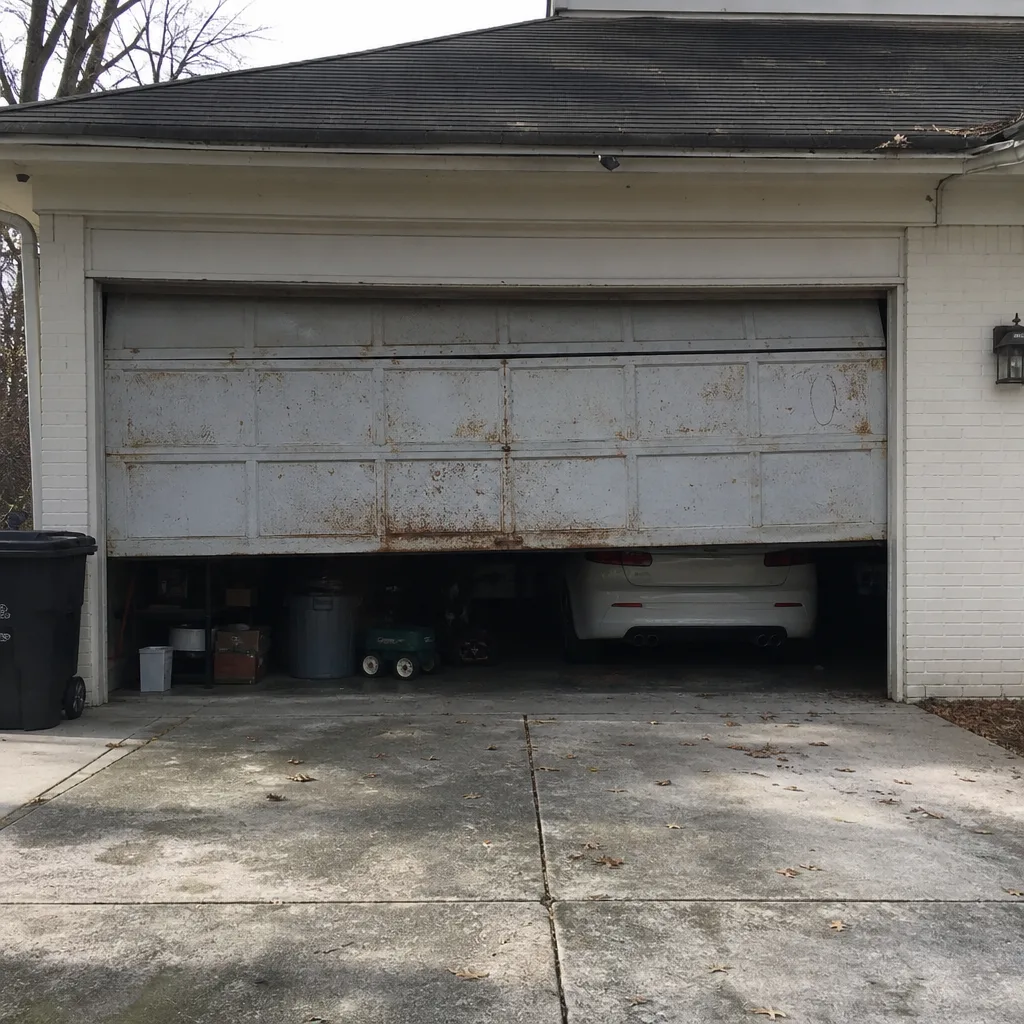 Before
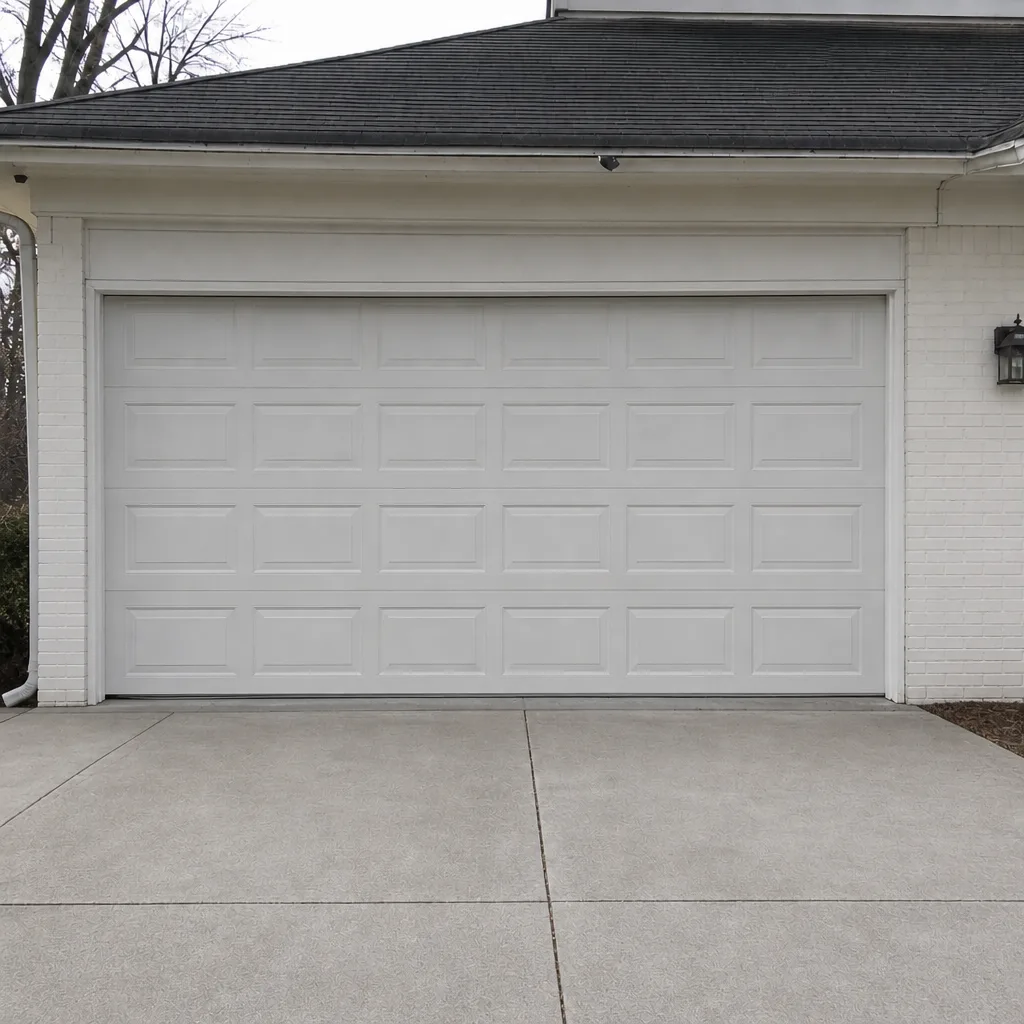 After
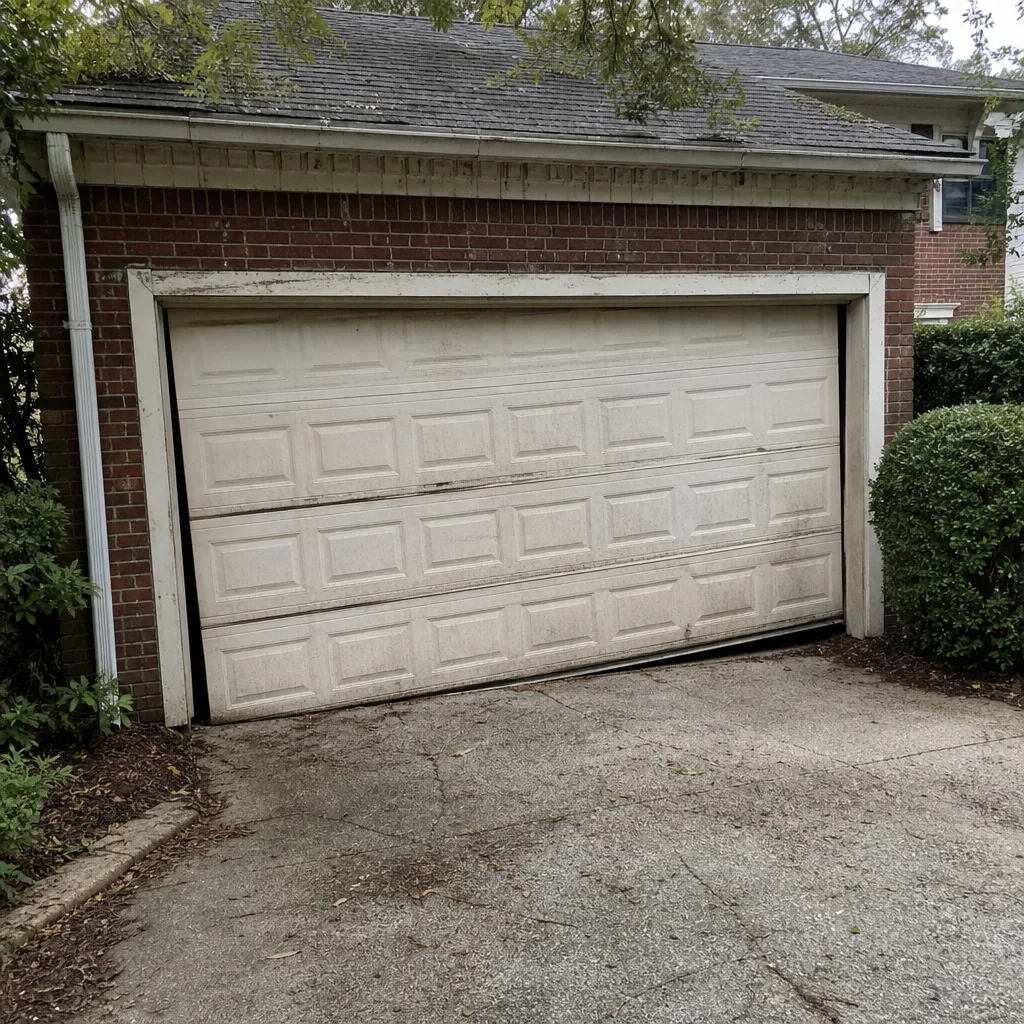 Before
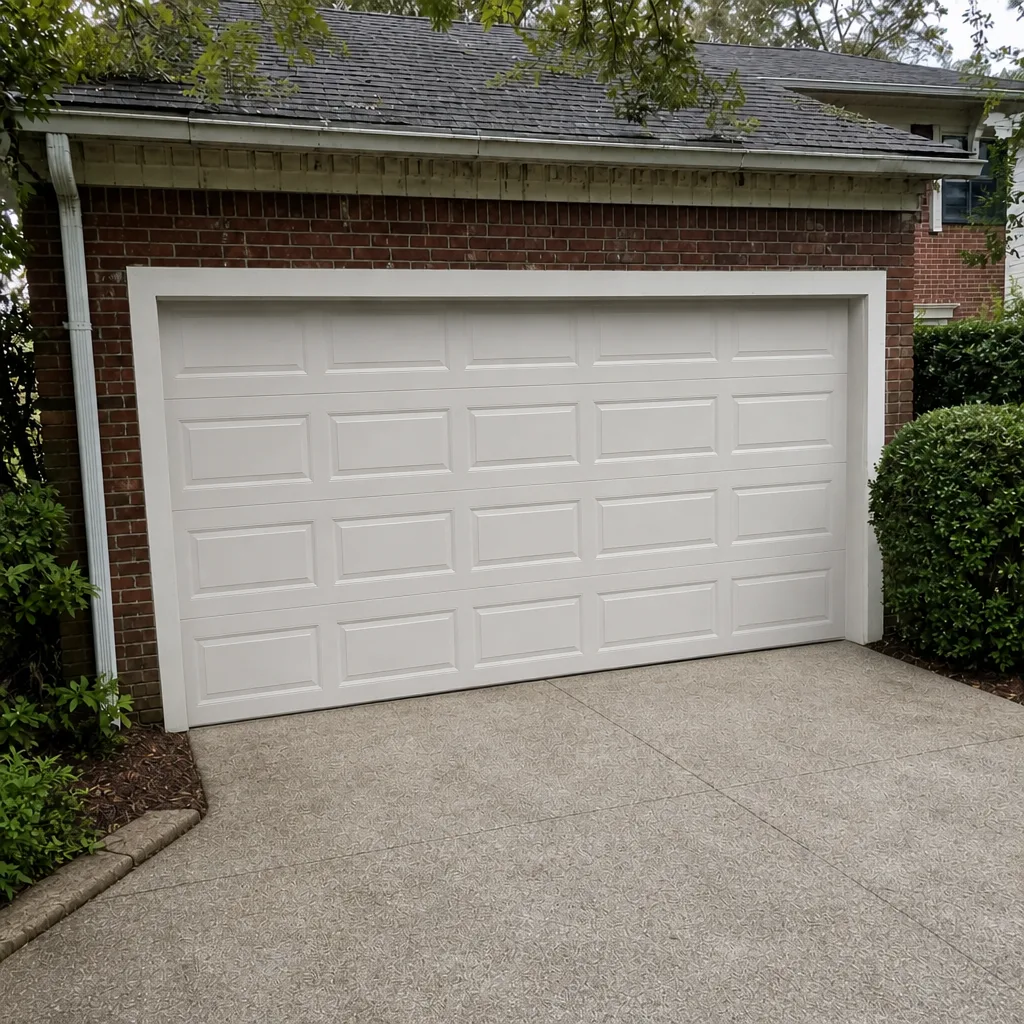 After
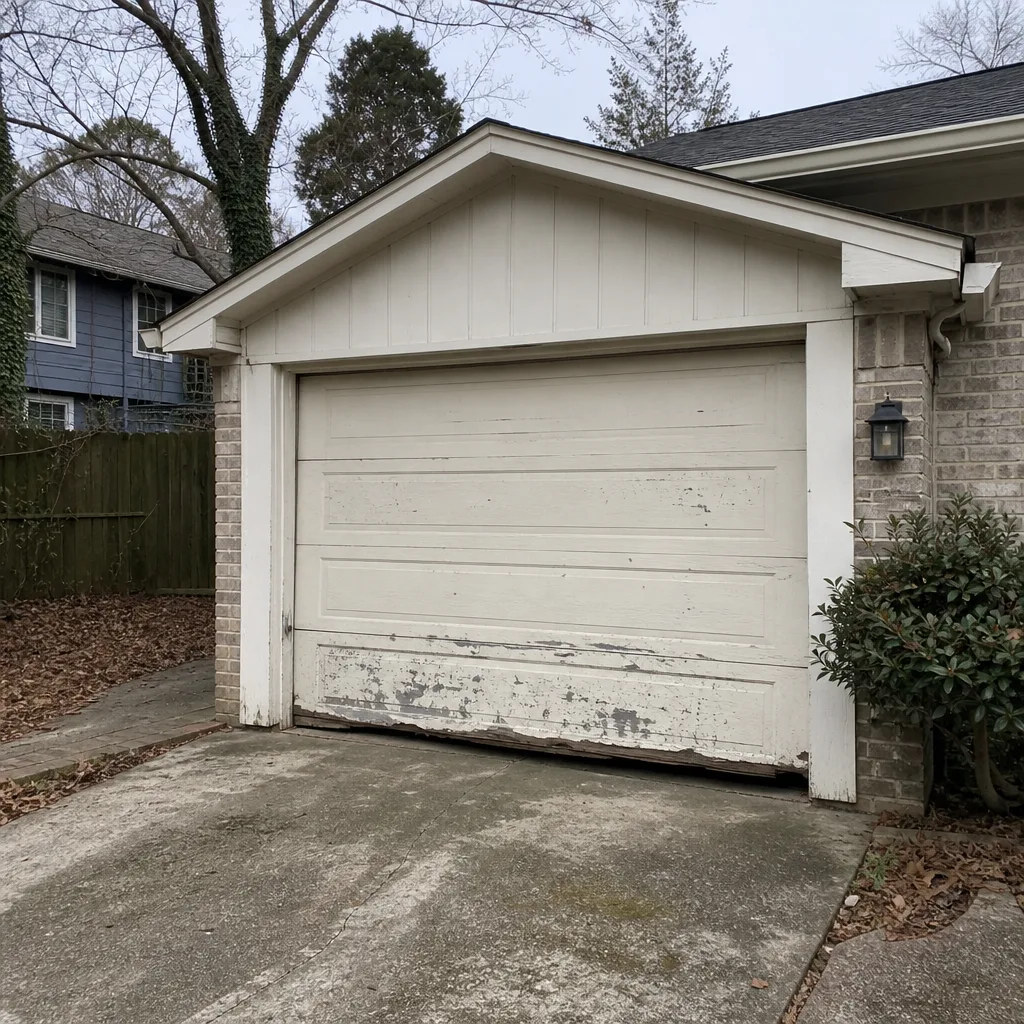 Before
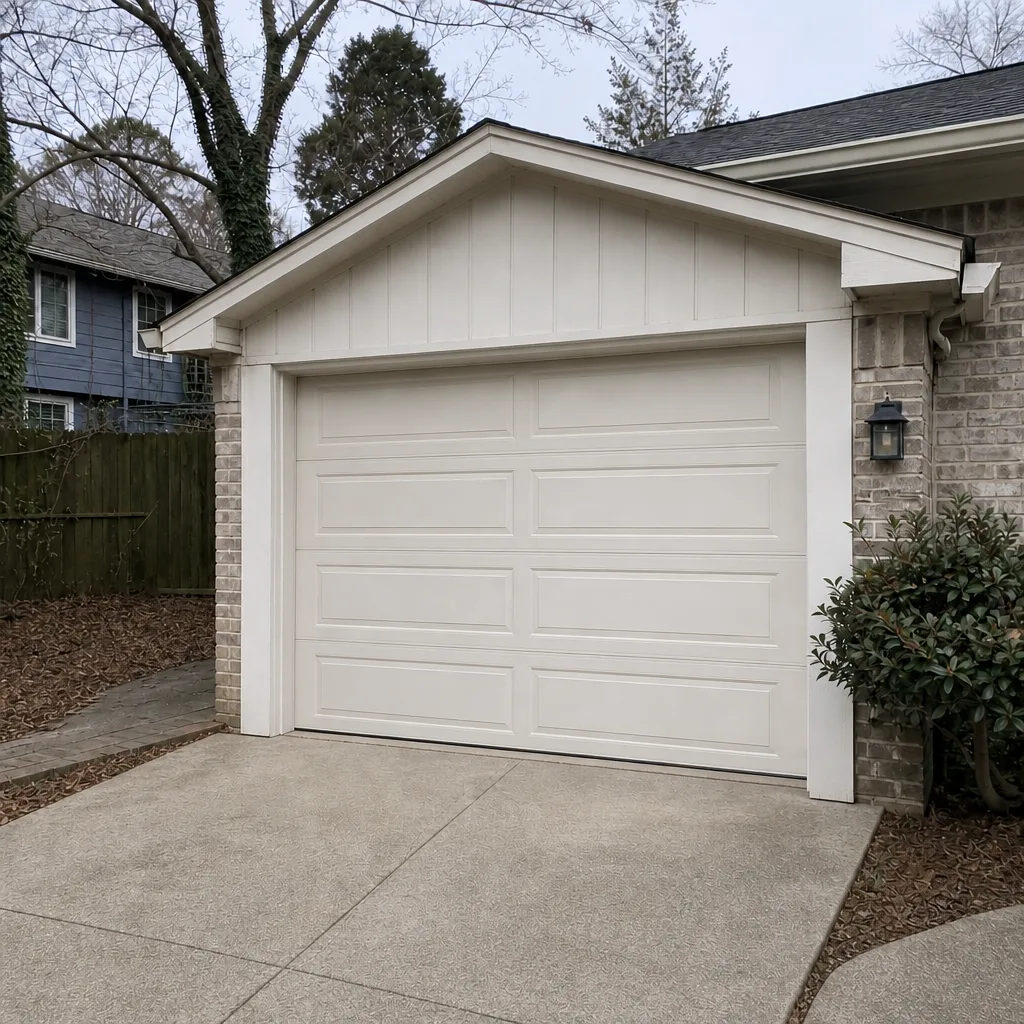 After
When to Call a Professional
Call a professional when the work touches the high-tension parts of the door – springs and cables are under enough tension to cause serious injury if they let go, and the tools and training to work on them safely are specific. Call when the scope may require a permit, because a specialist can describe the work accurately and specify a door whose rating satisfies the code. Call when an opener behaves unpredictably, when the door won’t close or won’t stay closed, or when something about the installation looks different from what you expected. Call when you’re preparing a property for sale and need the garage door documentation to hold up. When the door won’t move, we move fast. Buckhead Garage Door Repair Pros offers free estimates in Buckhead – call (866) 651-6880. We answer 24/7, and fast dispatch runs from 7am to 7pm, Sunday through Friday. The price is agreed in the written estimate before any work starts, so you know the number before anyone touches the door. Our technicians have up to 12 years of experience and work on LiftMaster, Chamberlain, Genie, Clopay, Amarr, Wayne Dalton, Craftsman, and Raynor equipment. One call covers it all – repair, opener work, springs, and garage door installation that gets the specification right.
Frequently Asked Questions
It depends on the scope. A permit is generally required when the work changes the opening’s structure – a new size, a modified header, reframing, or an attachment change – while a like-for-like replacement of a door in the same opening is typically treated as maintenance. Because Buckhead is inside Atlanta city limits, the City of Atlanta’s building department and its amendments to the state code apply. Describe your scope to the city’s building department and confirm before ordering a door. For an exact estimate on the door work itself, call (866) 651-6880 – estimates are free.
They’re two independent approvals. The HOA architectural review controls how the door looks – materials, color, window pattern – while the City of Atlanta building permit controls whether the structure and safety systems meet code. Getting one doesn’t satisfy the other. Many Buckhead communities enforce architectural covenants, so read the rules and submit the review first, then handle the city permit behind it. If you’re unsure what your community requires, call (866) 651-6880.
It becomes a due-diligence question at resale. A buyer’s inspector and a permit search through Atlanta records can both surface the missing permit, and a seller then has to document or correct the work. The remedy usually means opening the scope to an inspector and pulling a permit for corrective work, which costs time mid-transaction. Permitting the work when it’s done keeps that record in place. To get the door and its documentation right before a sale, call (866) 651-6880.
Georgia’s amended International Residential Code requires the door’s design pressure rating to meet or exceed the wind pressure at the home’s location, and Buckhead properties follow Atlanta’s adopted provisions. The rating is specific to the door model, size, and reinforcement configuration, so a larger door can carry a lower rating than a smaller one in the same line. Check the manufacturer’s rating for your exact size against what your city’s building department requires. Call (866) 651-6880 for a free estimate on a code-compliant door.
No, not in the usual case. Spring replacement, opener repair, roller and hinge work, track alignment, and cable replacement are all typically maintenance rather than alteration, so they don’t trigger a building permit. The permit question applies to structural changes to the opening. What spring work does require is proper training, since springs are under high tension. We treat spring repair as its own specialist service for that reason. When the door won’t move, call (866) 651-6880. We answer 24/7. Fast dispatch from 7am to 7pm, Sunday through Friday.
No. The written estimate sets the price, and it’s agreed before any work starts, so what’s on the estimate is what you pay for the agreed scope. If an inspection or a hidden problem reveals that the scope has to change, we tell you and re-quote before doing the extra work – never after. The estimate itself is free. Call (866) 651-6880 for an exact quote.
The Bottom Line
The permit question in Buckhead comes down to scope, not size. Keeping the opening and the structure as they are is usually maintenance. Changing the opening, the header, or the way loads are carried can make it an alteration that needs a City of Atlanta permit and an inspection. Living inside Atlanta city limits means Atlanta’s amendments apply, not the rules of nearby unincorporated Fulton County. HOA architectural approval and a building permit are separate approvals that both need to be satisfied, and an unpermitted replacement can slow a home sale and cost real money to correct. Check the design pressure rating against the code, keep the permit and inspection records, and treat spring and cable work as the safety-critical job it is. Then the door goes up once, passes inspection, and the paperwork is ready when someone asks for it.
Written by the team at Buckhead Garage Door Repair Pros.