
Last updated November 21, 2026
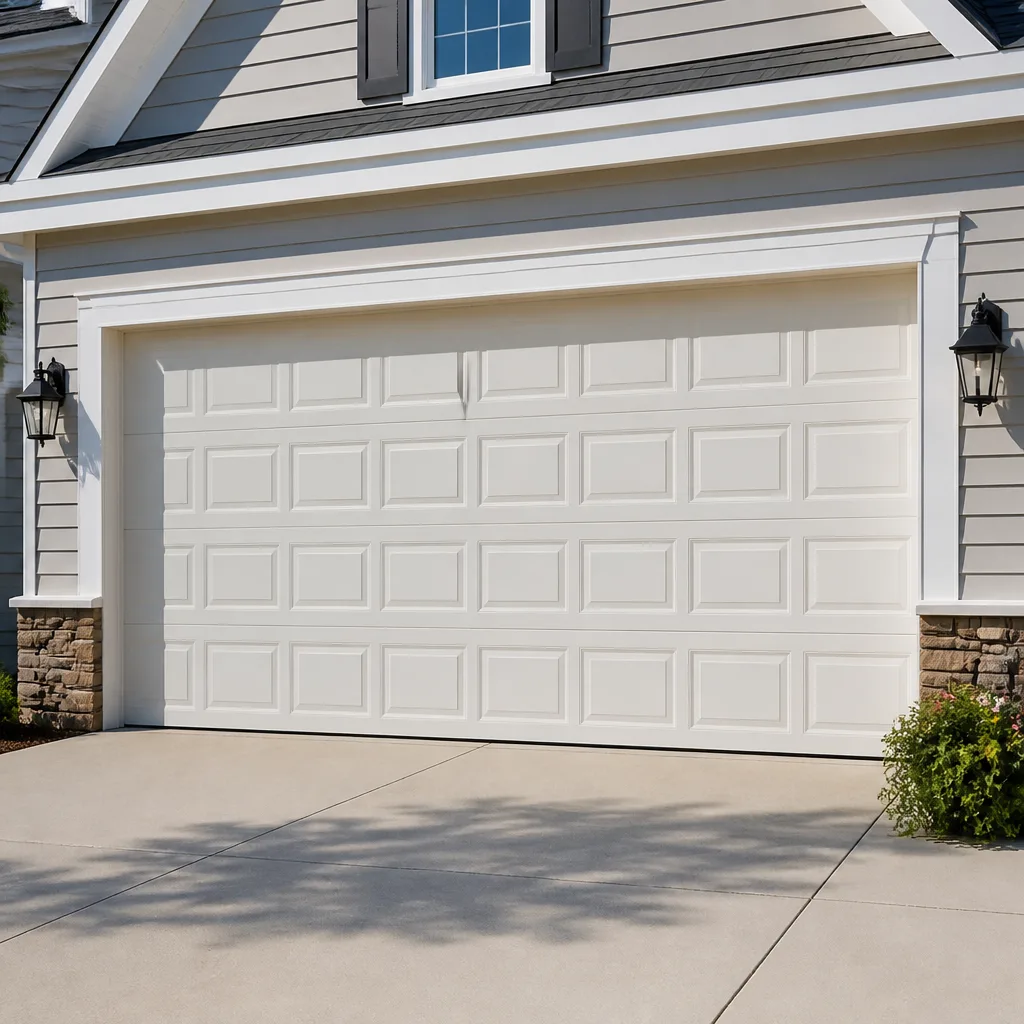 Raised-panel steel
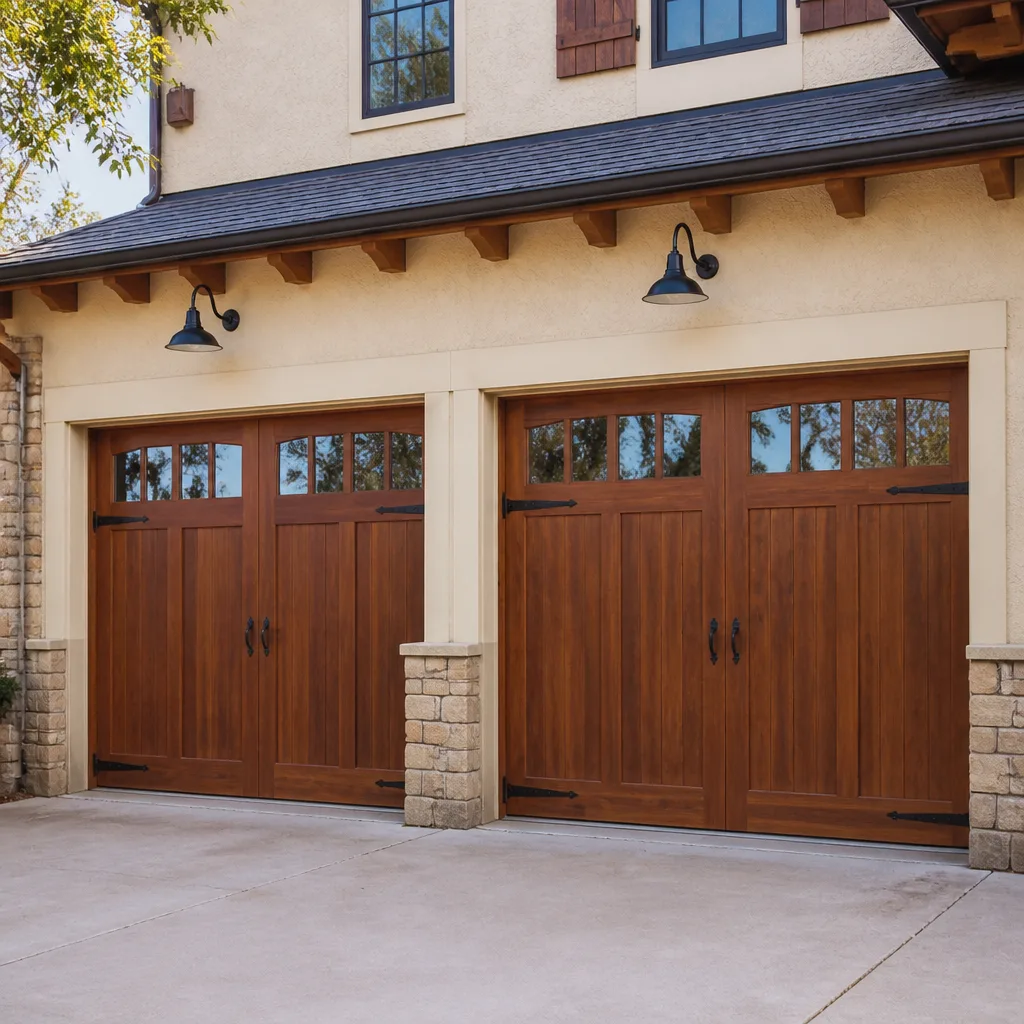 Carriage house
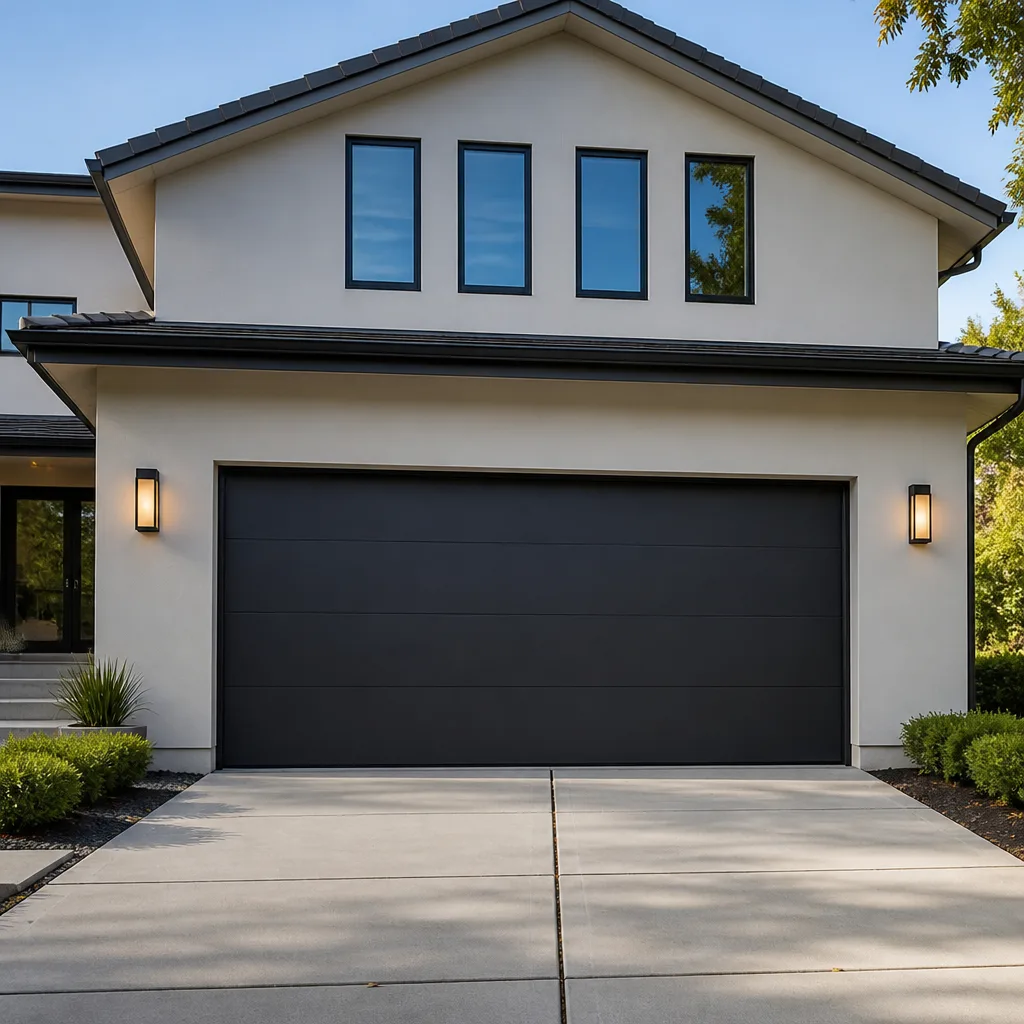 Modern flush
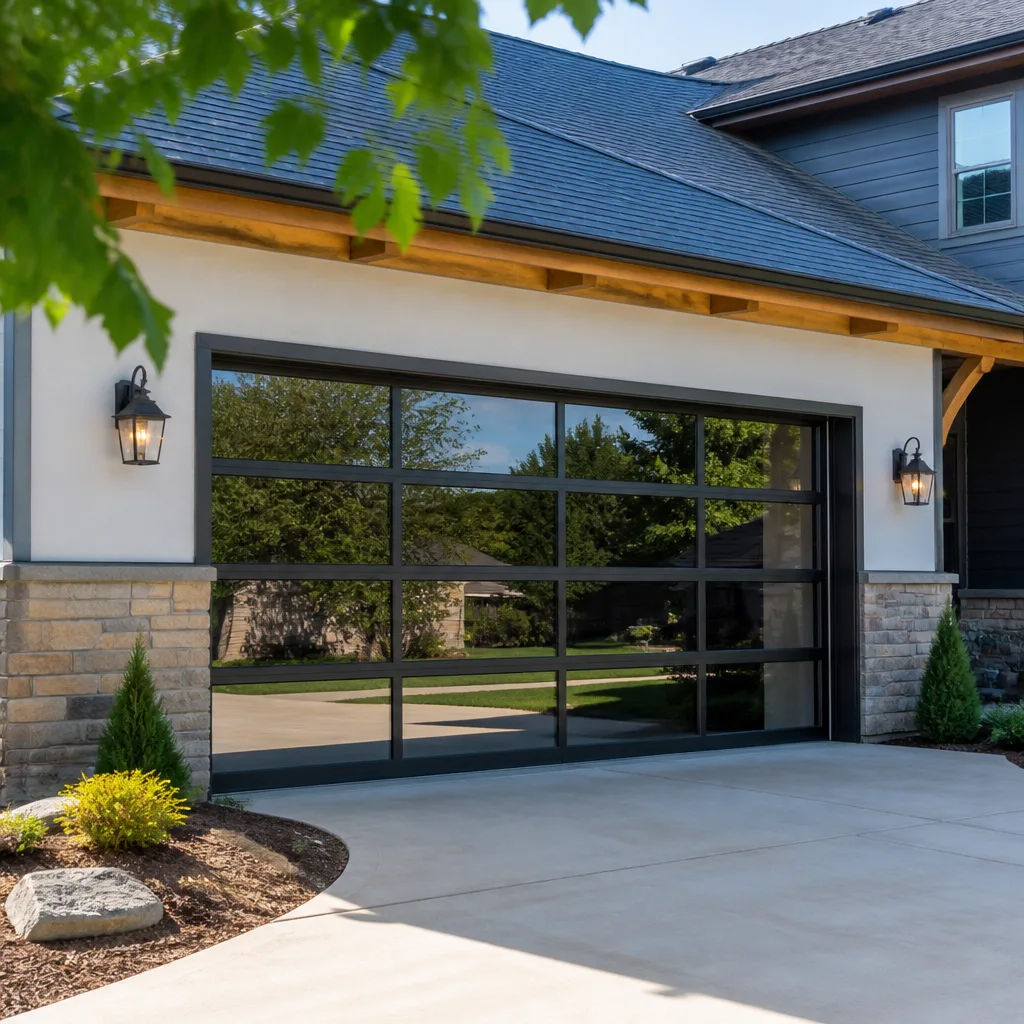 Full-view glass
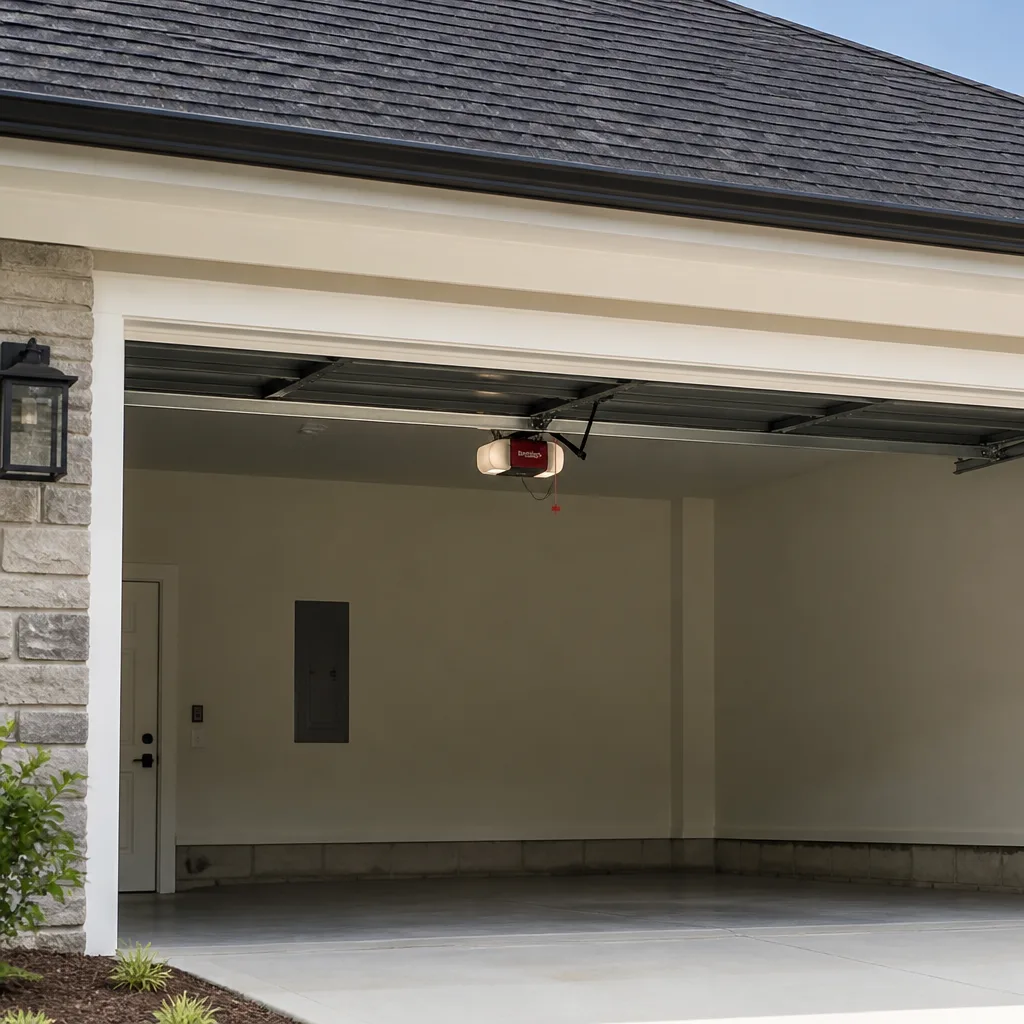 LiftMaster openers
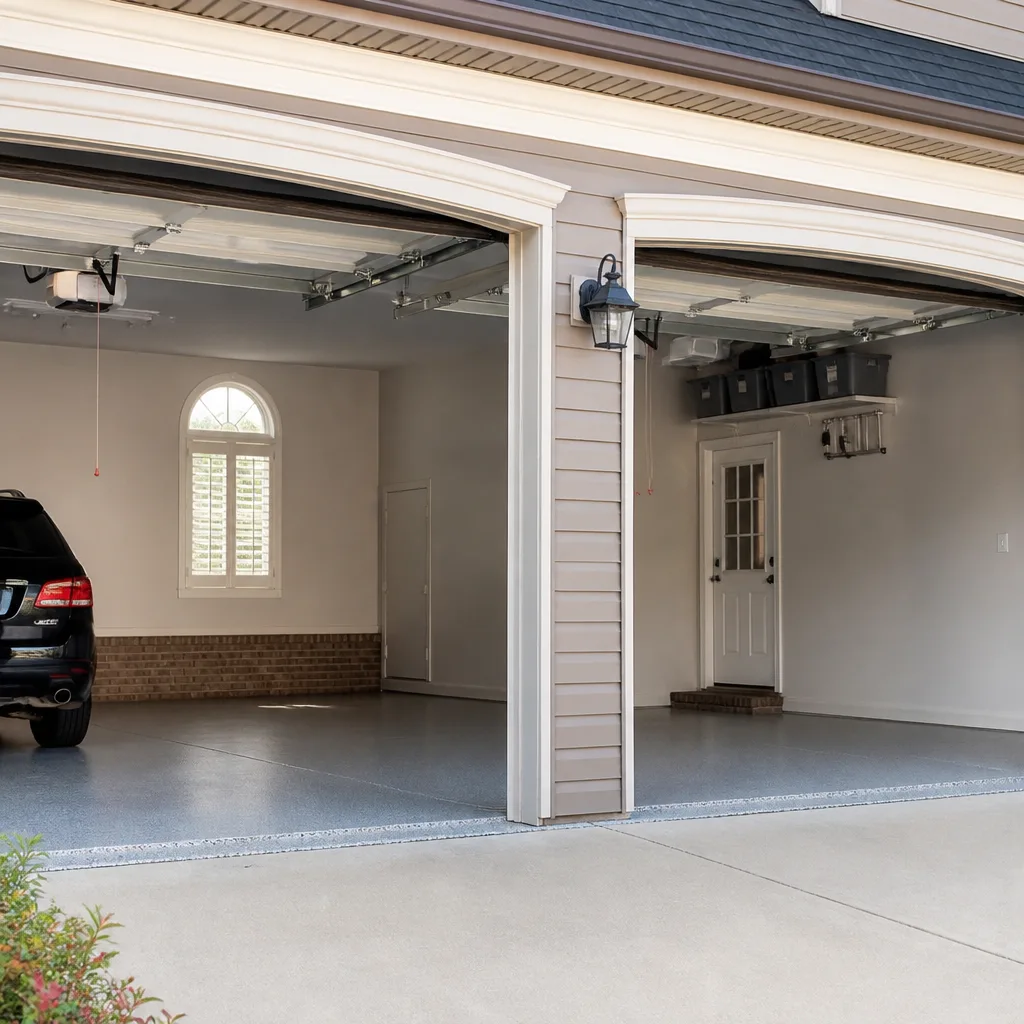 Chamberlain openers
Full 25-point door and opener safety check with every visit - springs, cables, rollers, tracks, and your LiftMaster or Chamberlain opener included
You get a price before we start. It does not change when the pro arrives.
Get your free estimateHow to Hire a Garage Door Contractor in Buckhead: A Step-by-Step Guide
Most people hire a garage door contractor the same way they’d pick a restaurant – they call whoever shows up first and hope for the best. In Buckhead, that approach tends to backfire. A large share of the results you’ll see on a “garage door repair” search are general handyman services or multi-trade companies that add garage doors as a side offering. They’ll show up, but often to sub the actual spring or opener work to someone else. This guide walks you through how to screen for a genuine specialist before the first call, ask the questions that separate real technicians from generalists, and compare quotes on equal footing.
Quick Answer
Hiring a garage door contractor in Buckhead means confirming the company works on residential garage doors as a core service, not a side hustle. Ask three things: what brand expertise they have (liftmaster, chamberlain, genie, clopay and Amarr are the names to listen for), whether they service springs and openers in-house, and whether their quote includes specific part numbers and labor descriptions. A qualified specialist answers all three without hesitation. A generalist hesitates, deflects, or says “we can probably handle it.”
Styles & brands we work with
- Raised-panel steel
- Carriage house
- Modern flush
- Full-view glass
- LiftMaster openers
- Chamberlain openers
Table of Contents
- Why garage door specialists beat generalists in Buckhead
- Three questions that screen out generalists instantly
- What Georgia contractor licensing actually covers for garage door work
- How to verify insurance specific to garage door work
- Red flags to look for in written quotes
- How to compare quotes on equal terms
- Why the cheapest quote in Buckhead is often the wrong one
- When you need emergency service versus scheduled repair
Why Garage Door Specialists Beat Generalists in Buckhead
A garage door is a single system with multiple high-tension parts, and it fails in ways that require the technician to understand the whole mechanism – not just swap out the obvious broken piece. A handyman who mostly hangs drywall and fixes faucets can look up a spring replacement video, but he won’t know how the door’s balance, cable tension, opener force settings and track alignment all interact. When one part of that system is outside spec, the other parts wear faster or fail outright.
In Buckhead, the housing stock makes this especially relevant. The neighborhood has a wide mix of older homes with heavy wood doors, newer construction with contemporary aluminum-and-glass systems, and plenty of mid-century brick homes with original hardware still in place. Each of those door types responds differently to service. A metal door and a wood door don’t need the same spring wire diameter, and an older Clopay won’t set up the same as a newer Amarr. A specialist reads the door before reaching for a tool. A generalist guesses, then replaces parts until the problem goes away.
There’s another reason to insist on a specialist in Buckhead: continuity. When a specialist does your garage door repair, they know what they did and why, and the follow-up visit – if there is one – picks up where the last one left off. A multi-trade company often sends a different subcontractor every visit, which means the person diagnosing your door the second time may not know what the first visit actually accomplished.
What a specialist brings to the table, practically speaking:
- Brand-specific diagnostic experience with liftmaster, chamberlain, genie and clopay systems, among others
- Correct spring sizing for the door’s actual weight and cycle count, not a universal replacement
- In-house opener work instead of a referral to another contractor
- One point of responsibility if something goes wrong after the repair
- Scheduling that matches the urgency of a real garage door problem
We’re partial to that model, of course, because the name Buckhead Garage Door Repair Pros puts the specialization front and center. But the reasoning holds whether you call us or another specialist. The point is to hire someone who does garage doors all day, not someone for whom it’s the fifth thing on a list of ten.
Three Questions That Screen Out Generalists Instantly
You don’t need to know how a garage door works to spot a real technician. You need three questions, asked in order, at the moment you first reach them. A specialist answers each one directly. A generalist gets vague, talks around the answer, or pivots to how “we handle that type of thing all the time.”
1. “What torsion spring wire diameter do you stock for a standard 16×7 door?”
This is the single most revealing question. Any technician who works on springs seriously will answer with a specific wire gauge range – typically in the 0.207 to 0.250 range for a residential 16×7, depending on door weight and cycle requirement. If the answer is “we just match whatever’s on the door” or “we use a heavy-duty spring,” you’re talking to someone who doesn’t understand the sizing math. A door with the wrong spring will lift too hard or sag, and the opener will burn through faster regardless of brand.
2. “Do you service the opener in-house, or do you bring in a separate opener guy?”
Garage door and opener work are two sides of the same system. A company that services one but outsources the other creates a handoff problem – which party owns the diagnosis when the door doesn’t open, the door or the opener? A specialist does both. At Buckhead Garage Door Repair Pros, garage door opener repair is a core service for exactly this reason. You want one company accountable for the whole mechanism.
3. “What brands are you factory-familiar with?”
The right answer names specific brands and explains how brand-specific diagnosis matters. LiftMaster operators use different force and travel settings than Genie units, and a Clopay door has different spring anchor plate and cable configurations than an Amarr. A technician who works across brands regularly will say so and won’t fumble. If the answer is “any brand,” that usually means they don’t know the differences. Our technicians have up to 12 years of experience working on LiftMaster, Chamberlain, Genie, Clopay, Amarr, Wayne Dalton, Craftsman and Raynor equipment.
If you get clear, specific answers to all three questions, you’re talking to a specialist. If you get two of three, ask more questions before you schedule. If you get none, hang up.
What Georgia Contractor Licensing Actually Covers for Garage Door Work
Here’s the part that surprises most Buckhead homeowners: Georgia’s residential contractor licensing rules are structured around general contracting, not garage door repair specifically. A general contractor may hold a residential license that allows them to build or renovate a house, but that license doesn’t confirm they’ve ever serviced a garage door. The license tells you the company exists and pays its state fees. It doesn’t tell you the technician knows how to size a torsion spring.
This is not a knock on licensing – you should still confirm licensing where it applies. But licensing and qualification are different things. The right questions are layered:
- Is the company licensed at all? Ask for the state license number and verify it through the Georgia Secretary of State or the appropriate Georgia licensing board depending on the license class. A legitimately licensed company gives you a real number without hesitation.
- What does the license actually cover? A residential contractor license covers project management above a certain dollar threshold, not garage door service skill. Ask “what’s your experience with garage door work specifically?” separately from the licensing question.
- Are the technicians themselves trained on garage door systems? Ask about spring safety training, brand factory training, and whether the same technicians handle opener work. A specialist can answer these; a generalist can’t.
- Is there insurance specific to the work being done? We’ll cover that in the next section – it matters more than most homeowners realize.
If a company leads with its license number as the answer to every question, that’s a red flag. A serious garage door contractor is happy to talk about the actual work, not just paperwork.
How to Verify Insurance Specific to Garage Door Work
General liability insurance is the floor, not the ceiling. A contractor who carries a standard commercial policy but hasn’t confirmed coverage for garage door work is technically covered for some things and not others. What actually matters when a contractor is on your property working with high-tension springs is that the policy covers both property damage and workers’ compensation for the technician on site. If the tech gets hurt on a spring repair and the company has no workers’ comp, the claim can come back to your homeowner’s policy – which is not a conversation you want to have.
Specifically, ask for these three documents before scheduling:
- Certificate of insurance (COI) showing general liability coverage, with your property listed as the job address
- Workers’ compensation certificate confirming the crew is covered, not just the office
- Verification that the policy is active – the certificate shows policy dates, and you can ask the insurer to confirm the policy is current
What you’re not asking for: a number. Insurance policy numbers are not something you should take from a phone conversation – get the COI from the insurance carrier directly, or call the number on the certificate to verify. Any contractor who pushes back on this, or says “we’re fully insured” without producing documents, is telling you something about how they handle claims too.
Same basic rule applies to bonding. Georgia doesn’t require bonding for all garage door work, but it’s a good question to ask – a bonded company has a third party standing behind the work, which is another layer of protection. If they can’t tell you whether they’re bonded, that’s information too.
Red Flags to Look for in Written Quotes
The written quote is where a generalist and a specialist become easy to tell apart. A specialist writes a quote you could hand to another reputable company and have them understand exactly what’s being done. A generalist writes a quote that could mean anything. Read the quote with these five red flags in mind.
Vague labor descriptions
“Replace garage door springs” is not a labor description. “Replace both torsion springs with 0.225 x 2 x 31 springs rated for the door’s weight, adjust door balance, and reset opener force and travel” is. The first tells you almost nothing. The second tells you the technician knows what needs to happen and what part is going on your door. Anything less specific, ask for the detail in writing.
Missing part numbers
Springs, bearing plates, cables, rollers and opener logic boards all have part numbers. A quote that doesn’t list them is a quote where you have no way of knowing what’s actually going on the door. Ask for the part number or exact specification for every part being replaced. A specialist provides it without arm-pulling.
“Lifetime warranty” with no manufacturer backing
A lifetime warranty that isn’t backed by the manufacturer is a promise, not a warranty. LiftMaster, Chamberlain, Genie, Clopay, Amarr and every other brand we work with publish specific warranty terms for specific parts – the spring, the operator motor, the panels, the hardware. If a contractor offers a “lifetime warranty,” ask which manufacturer’s warranty it corresponds to, what the term is for that specific part, and what the process is for making a claim. If the answer is “it’s our own lifetime warranty,” get the terms in writing before you sign.
No mention of diagnostic review
A real garage door service starts with an assessment. The quote should mention what was inspected – door balance, spring condition, cable wear, opener force settings, track alignment, safety reverse test. If a quote jumps straight to replacement without an inspection line, the technician isn’t doing the diagnostic work.
Fine print about “materials and labor not included”
Not a red flag by itself – materials and labor are always part of the quote – but if the quote lists both separately and then adds language like “additional materials may be needed” without a stated dollar range, ask them to fix that in the written quote before you agree. Our approach is simple: the written estimate is the price. Requests to change the scope mid-job go through a new written estimate before work continues.
How to Compare Quotes on Equal Terms
Two quotes for the same spring replacement can differ by hundreds of dollars and both be legitimate – because they aren’t quoting the same spring. This is where most Buckhead homeowners get tripped up. A $250 look-alike quote and a $420 look-alike quote are only comparable if they specify the same parts, same spring cycle rating, same labor scope, and same warranty. If any of those four are different, the cheaper quote is often the one that’s cutting corners on the spring grade.
The right way to compare quotes, step by step:
- List every line item from both quotes side by side. Part number, specification, quantity, labor hours, and warranty term.
- Confirm each quote covers the same parts. If one says “torsion spring” and the other says “0.225 x 2 x 31 spring, oil-tempered,” they are not the same quote.
- Check the spring cycle rating. Standard springs are rated for a number of cycles. Higher cycle ratings cost more but last much longer. A cheaper quote often reflects a lower-cycle spring.
- Check what’s included in labor. Does the labor line cover door balance adjustment, opener force reset, and a post-repair safety test, or just the physical spring swap? A spring swap without balance adjustment is half the job.
- Compare the warranty terms part by part. Not one “lifetime warranty” line, but the actual term for the spring, the bearings, the rollers, and if applicable the operator.
- Ask which parts have a manufacturer warranty versus a company warranty. Manufacturer-backed terms are more durable than company-backed promises.
If you’re comparing quotes and one is $150 cheaper, ask what’s different. The answer is almost always the spring itself – lower cycle rating, thinner wire, or an imported part with no cycle certification. A higher-cycle spring is worth the difference for any door that gets used daily, which most Buckhead garages do with cars going in and out. For an exotic or very occasional use application, a lower gradeline is defensible. For anything else, ask for the higher-cycle option.
Why the Cheapest Quote in Buckhead Is Often the Wrong One
The single most common misconception about garage door pricing is that a lower quote reflects a more efficient technician. In reality, most of the price difference between two quotes for the same job comes down to the spring. A standard-cycle spring is cheaper to buy, and it wears out faster. A high-cycle spring costs more up front and lasts significantly longer under the same daily use. Two quotes that look identical can be $150 apart purely on spring grade, with zero difference in the technician’s skill or hourly rate.
There’s a second dynamic at work in the Buckhead market. Buckhead has a mix of high-end homes with substantial doors – wide carriage-style doors, glass-and-aluminum contemporary systems, some very large custom wood doors – and each of those doors puts different loads on the springs and opener. A door that’s heavier than a standard 16×7 needs a heavier spring and often a higher-torque opener. A generalist company quoting the “standard” spring for one of these doors is quoting a part that won’t handle the load, and the door will sag in a year or two. The quote that looks comparable is actually quoting the wrong part, which is not really comparable at all.
The cheapest quote can also reflect a lower-tier opener, thinner bearings, plastic rollers instead of nylon bearings, or a cheaper cable grade. None of these differences show up on a quote unless you ask. If you ask for the actual spec – spring cycle rating, roller bearing type, cable gauge, opener model – and the company can’t answer without checking, you’re not getting an apples-to-apples quote.
None of this means the most expensive quote is the right one. It means you should pick the quote that specifies the right parts for your door at the right cycle rating, not the one with the lowest number. The written estimate sets the final price. If you’re not sure which quote reflects the right spec for your door, ask both companies to justify their part selections. The one who can explain the reasoning is the one who’s done the diagnostic work.
When You Need Emergency Service Versus Scheduled Repair
A garage door that’s stuck open, refuses to close, or has come off one of its rollers is a real security and safety problem – you can’t leave it. A door that’s making a new noise, moving slowly, or has a visibly sagging spring is a scheduled repair. The two are different jobs with different scheduling realities, and getting the category right helps you describe the problem accurately when you call.
Signs you need emergency service:
- The door is stuck open and can’t be closed manually
- The door has come off the track, is hanging unevenly, or has bent panels
- A spring or cable has snapped, and the door is now unsafe to operate
- The opener is running but the door isn’t moving in either direction
- The door has come loose from a roller and is resting on the track
Signs the repair can be scheduled:
- A single opener remote no longer works
- The opener makes extra noise but the door still functions
- The door is slow, but opening and closing fully
- A visible spring sag without a break
- Weather seal wear, roller wear, or a loose hinge
Emergency service is part of what we offer as a core capability, not a premium add-on. When a Buckhead door fails and needs urgent attention, the same specialists who handle scheduled work respond – no handoff to a different company. We answer 24/7. Fast dispatch from 7am to 7pm, Sunday through Friday. A call outside dispatch hours is booked into the next opening, Sunday through Friday, 7am to 7pm.
For a scheduled repair – a noisy opener, a worn roller, a weather seal – call and we’ll get you on the schedule with a free estimate. Same-day is often possible for straightforward repairs. For a full garage door replacement, the process includes measurement, a written quote, and scheduling – that’s a separate conversation, handled through garage door installation. Plan on a measure and a written price, not a same-day install.
One safety note that applies to both emergency and scheduled work: if you can see a broken torsion spring or a loose cable, do not try to operate the door manually or fix it yourself. Those parts are under high tension even when the door looks calm, and a snap can badly injure an untrained person. Call a professional for anything spring or cable related. A trained specialist has the tools and the training to handle the tension safely, and that’s not a skill you can pick up from a quick video.
Common Mistakes to Avoid
- Calling a handyman for a spring problem. Spring repair is one of the highest-risk repairs on a home, and a generalist isn’t trained for the tension loads involved. Hire a specialist for anything spring or cable related, every time.
- Accepting the first quote without a comparison. The first quote you get may be fine, but you won’t know that without a second quote. Always compare on part numbers and cycle ratings, not total price alone.
- Ignoring the part numbers. If a quote doesn’t list the part number or exact spec for what’s going on your door, you’re buying a promise, not a part. Ask for the spec in writing before you agree.
- Assuming “lifetime warranty” means anything without a manufacturer term. A lifetime warranty is only as good as the company behind it. Ask which manufacturer warranty applies and what the claim process looks like.
- Hiring a company that outsources the opener work. If the garage door and opener are serviced by different companies, you’ll be caught between them when something goes wrong. One specialist, one point of responsibility.
- Failing to check workers’ comp specifically. General liability insurance doesn’t always cover the technician on site. Confirm workers’ comp is active before anyone touches the door.
- Trying to “save money” on a spring swap with a lower-grade part. The few dollars saved on the spring typically cost more later in premature failure. High-cycle springs are worth the difference on any door that gets used daily in Buckhead.
See the difference
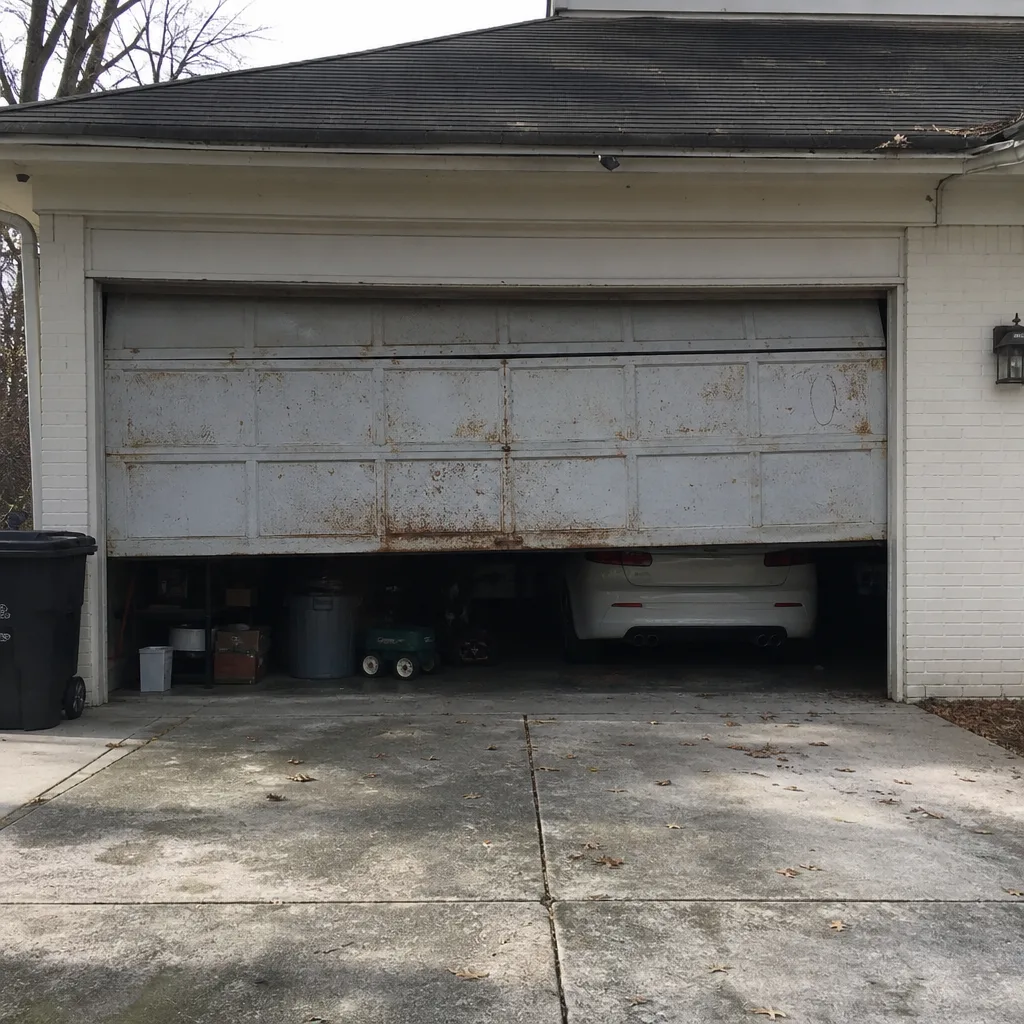 Before
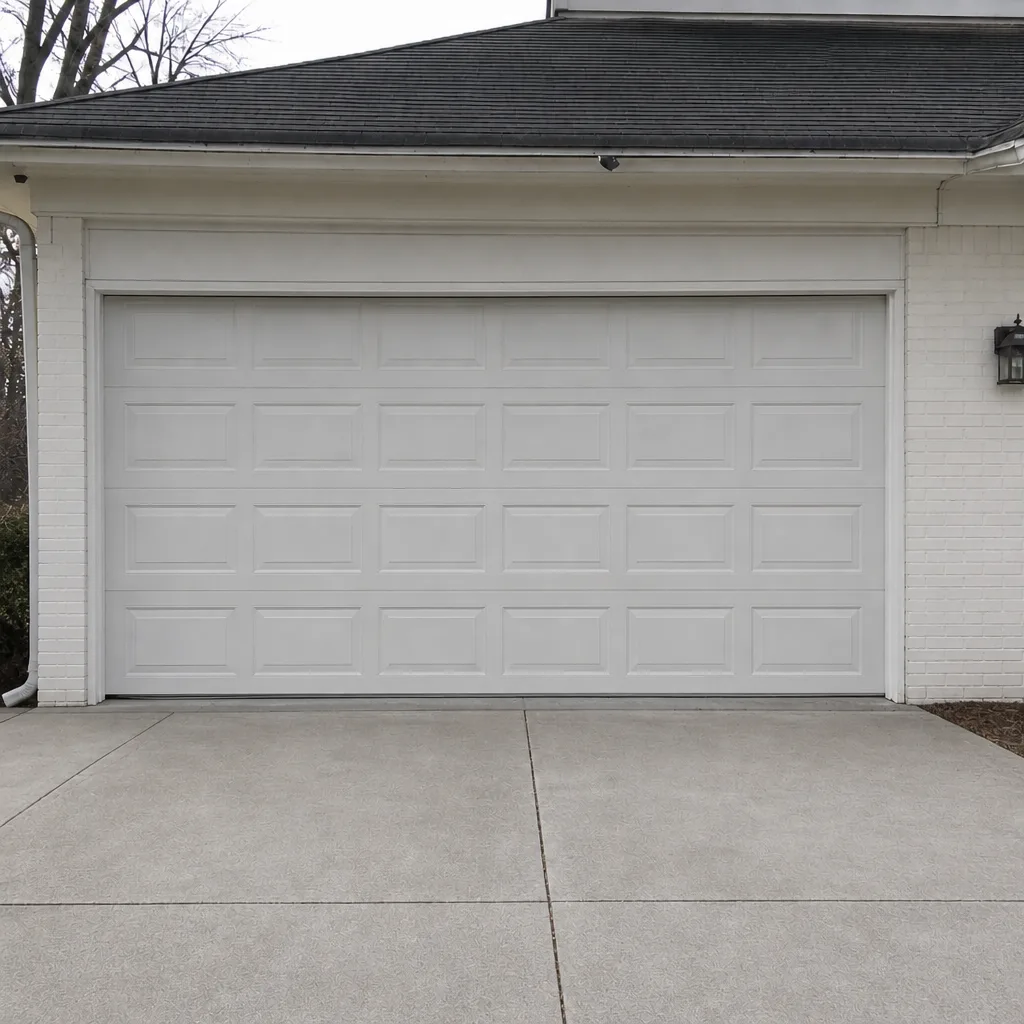 After
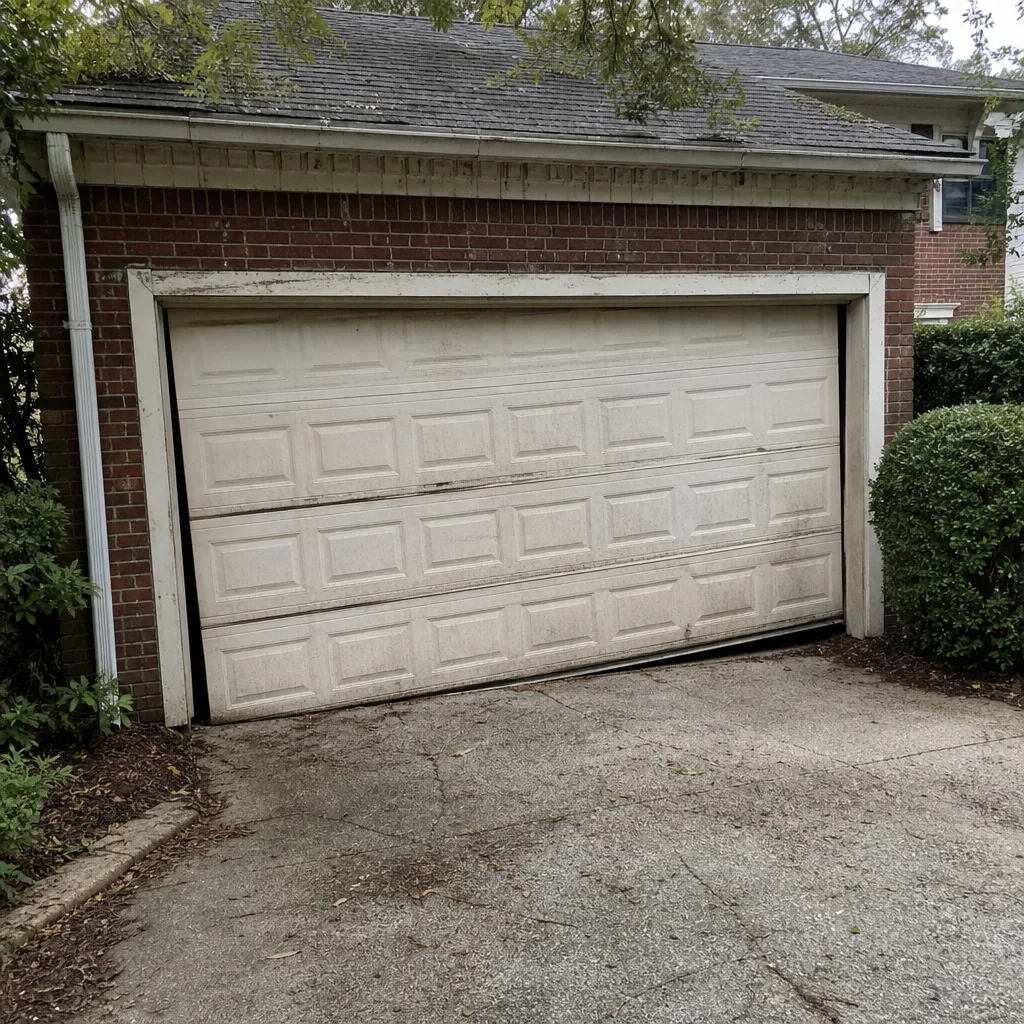 Before
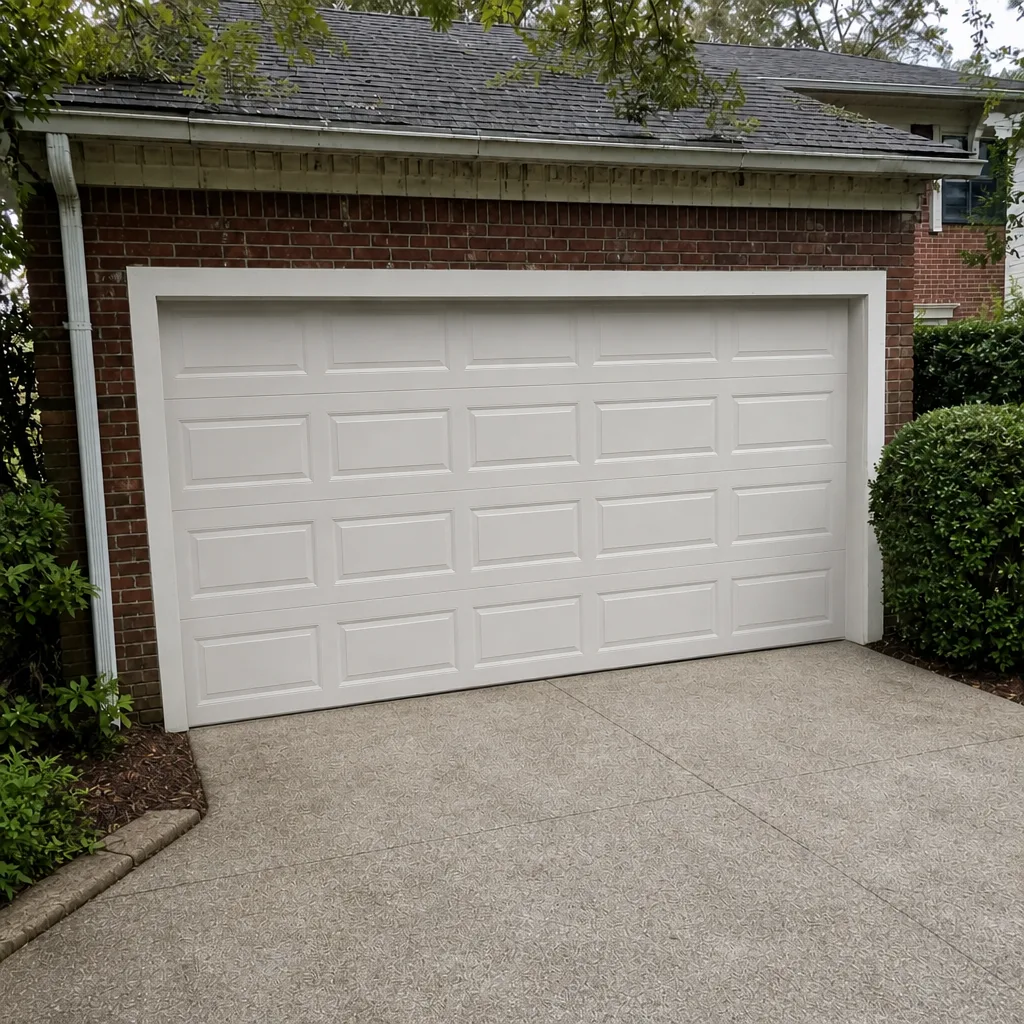 After
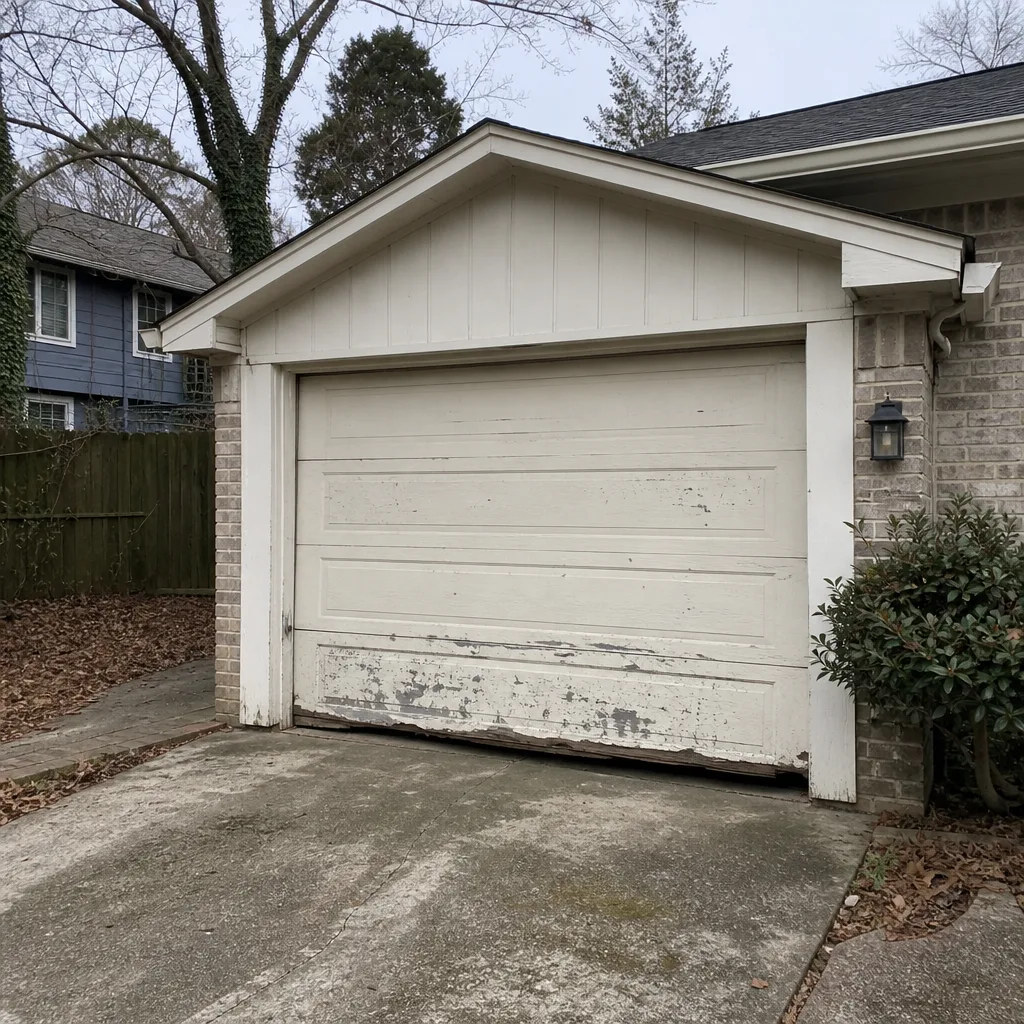 Before
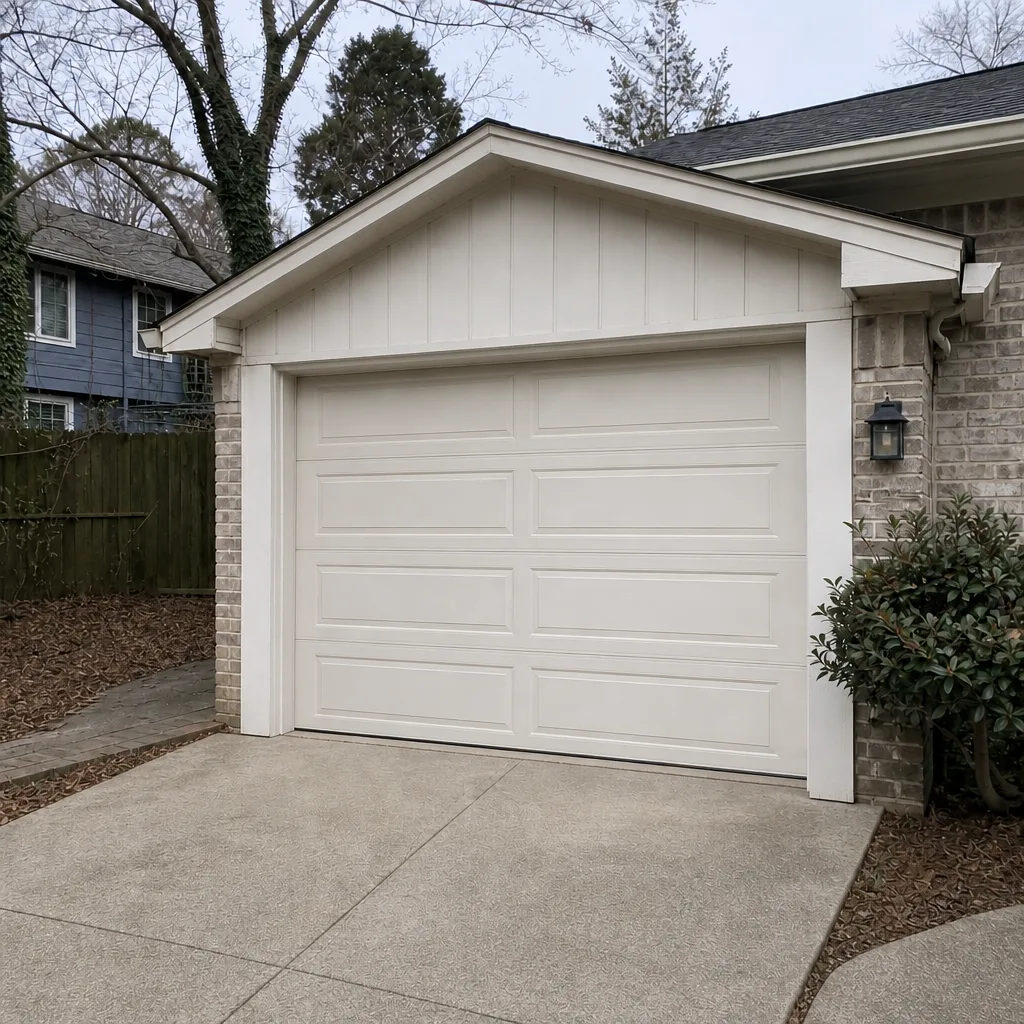 After
When to Call a Professional
Call a professional garage door contractor any time the diagnosis or the work involves springs, cables, or the opener’s force and travel settings – those are the parts where a wrong call creates a safety risk. Call for a spring that has snapped, a door that won’t close, a door that has come off its track, an opener that’s clicking without moving, or any time you can see a visible sag in the torsion bar or a frayed cable. Also call for scheduled repairs – a noisy opener, a worn roller, weather seal replacement, or a door that’s starting to operate unevenly – before the small problem becomes an expensive one.
If you’re not sure whether your issue is urgent or scheduled, call and describe it. We’ll help you sort it out over the phone. Buckhead Garage Door Repair Pros offers free estimates in Buckhead – call (866) 651-6880. We answer 24/7. Fast dispatch from 7am to 7pm, Sunday through Friday. Estimates are free, and the written quote sets the final price.
Frequently Asked Questions
Most garage door repairs in Buckhead fall into a handful of predictable ranges depending on the work. A single torsion spring repair typically runs in the $180-$340 range for one spring, with pairs running roughly double. Roller and hinge replacements are usually lower. Opener repairs vary by opener brand and part. Every job gets a written estimate that sets the final price before work starts. Call (866) 651-6880 for a free estimate specific to your door.
Ask the three screening questions: what spring wire diameter they stock for a standard 16×7 door, whether they service openers in-house, and which brands they’re factory-familiar with. A specialist answers all three specifically. A generalist stalls, deflects, or claims “any brand” without explaining the differences. Call (866) 651-6880 and we’ll answer them directly.
Georgia licensing isn’t structured around garage door work specifically – the main residential license covers general contracting, not service skill. Licensing is worth confirming, but it’s not the same as qualification. Ask about garage door training and brand experience separately from the license question. Our technicians have up to 12 years of experience on the specific systems we service. Call (866) 651-6880 for a free estimate.
Not without a new written estimate. The written quote we give you is the price. If the diagnostic reveals something the quote didn’t cover – a hidden cable issue, a bent track section – we’ll write a new estimate for that work and get your approval before anything changes. You won’t get an invoice bigger than what you agreed to. Call (866) 651-6880 for a free estimate.
The local pro we connect you with is licensed and insured as their state requires, and we can produce a certificate of insurance showing both general liability and workers’ compensation coverage before work starts. Ask for the COI when you book. Call (866) 651-6880 and we’ll send it over with the free estimate.
Same-day service is often available for straightforward repairs, including a door that won’t close or is stuck open. Emergency service is a core capability for us, not an occasional add-on. We answer 24/7. Fast dispatch from 7am to 7pm, Sunday through Friday. Call (866) 651-6880 and describe the issue – we’ll tell you what’s involved.
Because the price difference usually reflects the spring grade, not labor efficiency. A cheaper quote often means a lower-cycle spring that wears out faster. Always compare quotes on part numbers, spring cycle rating, and warranty terms, not total price. Ask both companies to justify their parts. Call (866) 651-6880 for a free estimate with the full parts spec included.
The Bottom Line
Hiring a garage door contractor in Buckhead comes down to a few things. Insist on a specialist who does garage doors as a core service, not a side thing. Ask the three screening questions before you schedule. Confirm insurance and workers’ comp with documents, not verbal claims. Compare quotes on parts and cycle ratings, not total price. Get the part numbers and warranty terms in writing. And don’t try to DIY anything involving springs or cables – the risk isn’t worth it. When you’re ready to talk through your job with a specialist, we’re ready to help.
Buckhead Garage Door Repair Pros is a residential garage door specialist with free estimates across Buckhead. Call (866) 651-6880 to schedule. We answer 24/7. Fast dispatch from 7am to 7pm, Sunday through Friday. The written estimate sets the price, and the price is agreed before any work starts.
Written by the team at Buckhead Garage Door Repair Pros.